
Table of Contents
Every year brings a wave of viral skincare ingredients—some backed by decades of clinical evidence, others riding social media hype with minimal scientific support. The 6 trending ingredients dominating the skincare conversation in 2025–2026 are PDRN (polydeoxyribonucleotide), exosomes, tranexamic acid, mushroom extracts (tremella, reishi), rice ferment filtrate, and bio-retinols (bakuchiol, moth bean extract). Each falls on a spectrum from strongly evidence-based to marketing-driven—this guide separates the science from the hype.
Which Trending Ingredients Are Strongly Evidence-Based?
What Is PDRN and Why Is It the Biggest Trend?
PDRN (polydeoxyribonucleotide) is a DNA fragment derived from salmon sperm that activates the adenosine A2A receptor, stimulating fibroblast proliferation, collagen synthesis, and accelerated wound healing.
Originally used in injectable mesotherapy and post-laser recovery, PDRN entered topical skincare in 2023–2024 through Korean formulations. Clinical evidence for injectable PDRN is strong (30–50% improvement in skin regeneration); topical PDRN evidence is emerging but promising, with studies showing improved hydration and texture within 8 weeks at 1–3% concentration.
Why Is Tranexamic Acid Gaining Mainstream Attention?
Tranexamic acid (TXA) at 3–5% topical concentration blocks the plasmin pathway that activates melanocytes, reducing melasma severity by 35–50% in 12 weeks—matching hydroquinone’s efficacy without its cytotoxic side effects.
TXA is especially relevant for South Asian skin where melasma and post-inflammatory hyperpigmentation affect 65–80% of women. It is compatible with all other brightening ingredients (vitamin C, niacinamide, arbutin) and can be used long-term without the cycling restrictions of hydroquinone.
What Makes Peptides a Proven Anti-Aging Ingredient?
Peptides (Matrixyl 3000, Argireline, copper peptides, GHK-Cu) are short amino acid chains that signal collagen production, relax expression lines, and improve skin firmness with strong clinical backing across hundreds of studies spanning 20+ years.
Peptides are not a trend—they are an established ingredient class gaining renewed attention as consumers seek retinol alternatives that deliver anti-aging results without irritation.
Which Trending Ingredients Are Promising but Need More Evidence?
What Are Exosomes in Skincare?
Exosomes are nano-sized extracellular vesicles (30–150 nm) that carry growth factors, mRNA, and signaling molecules between cells, theoretically enabling targeted delivery of regenerative signals to damaged skin.
The science behind exosomes in wound healing and tissue repair is legitimate—but topical exosome skincare products face stability, penetration, and concentration challenges that current formulations may not fully overcome. Clinical studies on topical exosome skincare remain limited compared to injectable forms.
Are Mushroom Extracts Worth Trying?
Tremella fuciformis (silver ear mushroom) holds more water per gram than hyaluronic acid and provides antioxidant polysaccharides. Reishi (Ganoderma lucidum) contains triterpenoids with anti-inflammatory properties.
Both show promise as complementary hydrating and soothing ingredients, but neither matches the depth of clinical evidence supporting established ingredients like hyaluronic acid, centella, or niacinamide. Use as supplementary ingredients rather than core routine replacements.
Which Ingredients Have Stood the Test of Time?
5 ingredients remain as effective and relevant as ever despite not being “trendy”: rice ferment filtrate (brightening, proven over centuries and in modern studies), centella asiatica (soothing, 60+ years of clinical evidence), snail mucin (multi-functional repair), ceramides (barrier restoration), and retinoids (the gold standard of anti-aging with 50+ years of evidence).
Trending ingredients generate excitement, but these proven workhorses deliver the most reliable results per dollar spent.
Rice products | Centella products | Snail mucin products
Frequently Asked Questions
Q: Should trending ingredients replace proven ones in a routine?
A: Never replace proven core ingredients (SPF, retinoid, vitamin C, niacinamide) with trending ingredients. Add trending ingredients as supplementary products once the core routine is established and consistent. A routine built entirely on trending ingredients risks instability—some trends will prove effective long-term, others will fade when larger studies fail to confirm early hype.
Q: How to evaluate whether a trending ingredient is worth trying?
A: Evaluate trending ingredients using 4 criteria: (1) number of peer-reviewed clinical studies (not just brand-funded research), (2) proven mechanism of action at the molecular level, (3) appropriate concentration in the product (not just listed at the bottom of the INCI list), and (4) compatibility with existing routine ingredients. If all 4 criteria are met, the ingredient is worth a controlled trial.
Q: Is bakuchiol truly a retinol alternative?
A: Bakuchiol activates retinoid receptors and stimulates collagen production similarly to retinol in 2–3 clinical studies, producing comparable wrinkle reduction over 12 weeks without the irritation, peeling, or photosensitivity of retinol. It is a legitimate option for sensitive skin, pregnant individuals, or anyone unable to tolerate retinol. However, the evidence base is 50+ years thinner than retinol’s—retinol remains the stronger evidence-backed choice for resilient skin.

You May Also Like
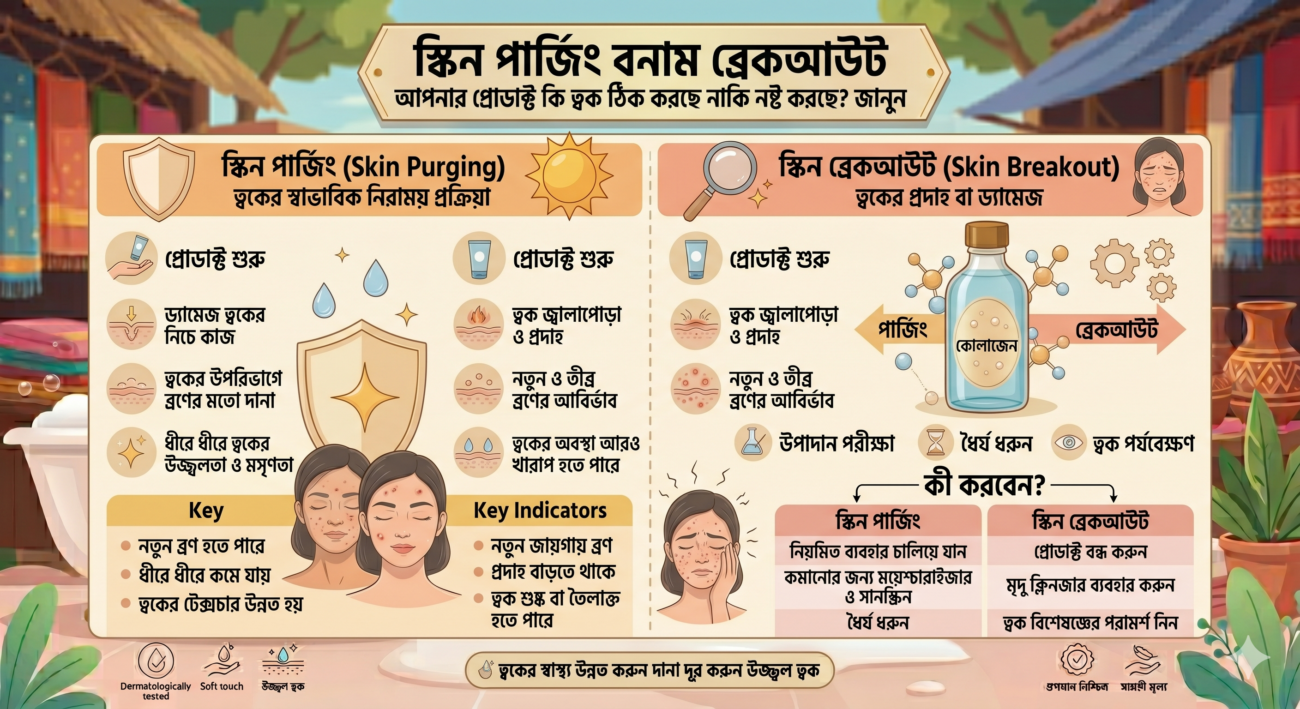
নতুন স্কিনকেয়ার প্রোডাক্ট শুরু করার পর ব্রণ বেড়ে গেছে? এখন ছেড়ে দেবেন নাকি চালিয়ে যাবেন?...
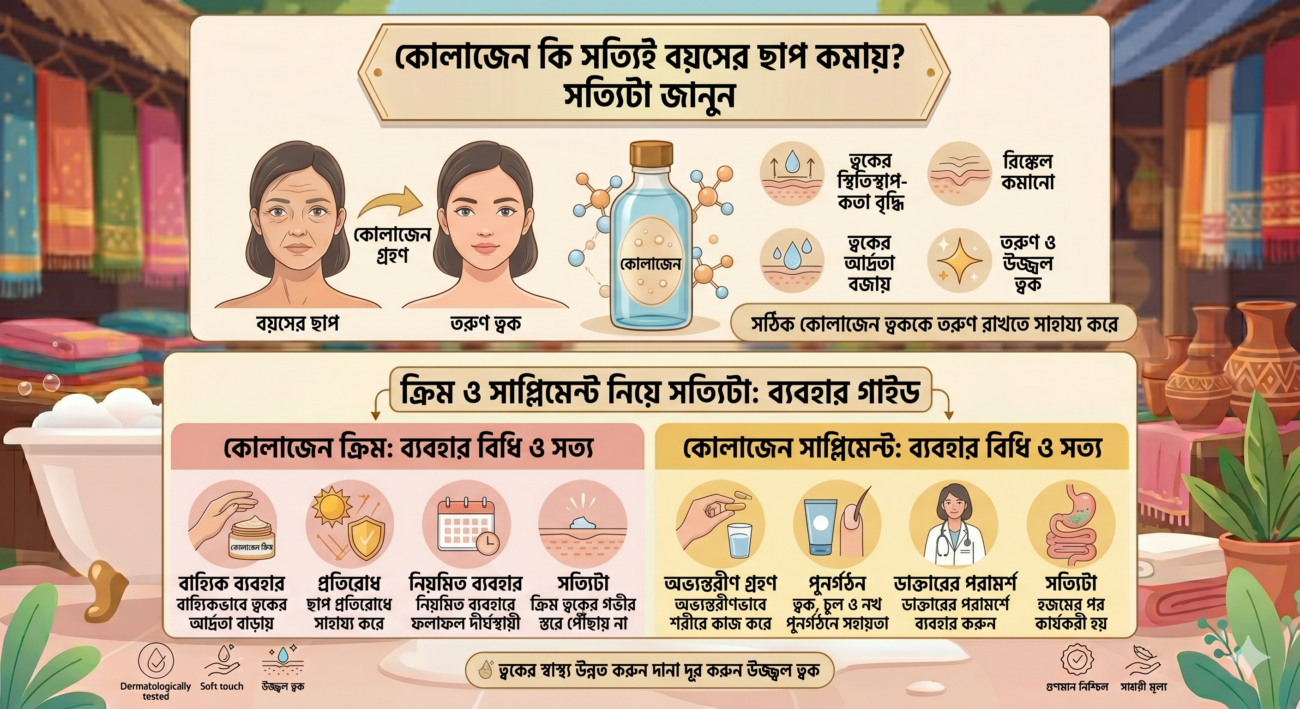
কোলাজেন — অ্যান্টি-এজিং মার্কেটে এই শব্দটা সবচেয়ে বেশি ব্যবহৃত হয়। কোলাজেন ক্রিম, কোলাজেন সাপ্লিমেন্ট, কোলাজেন...
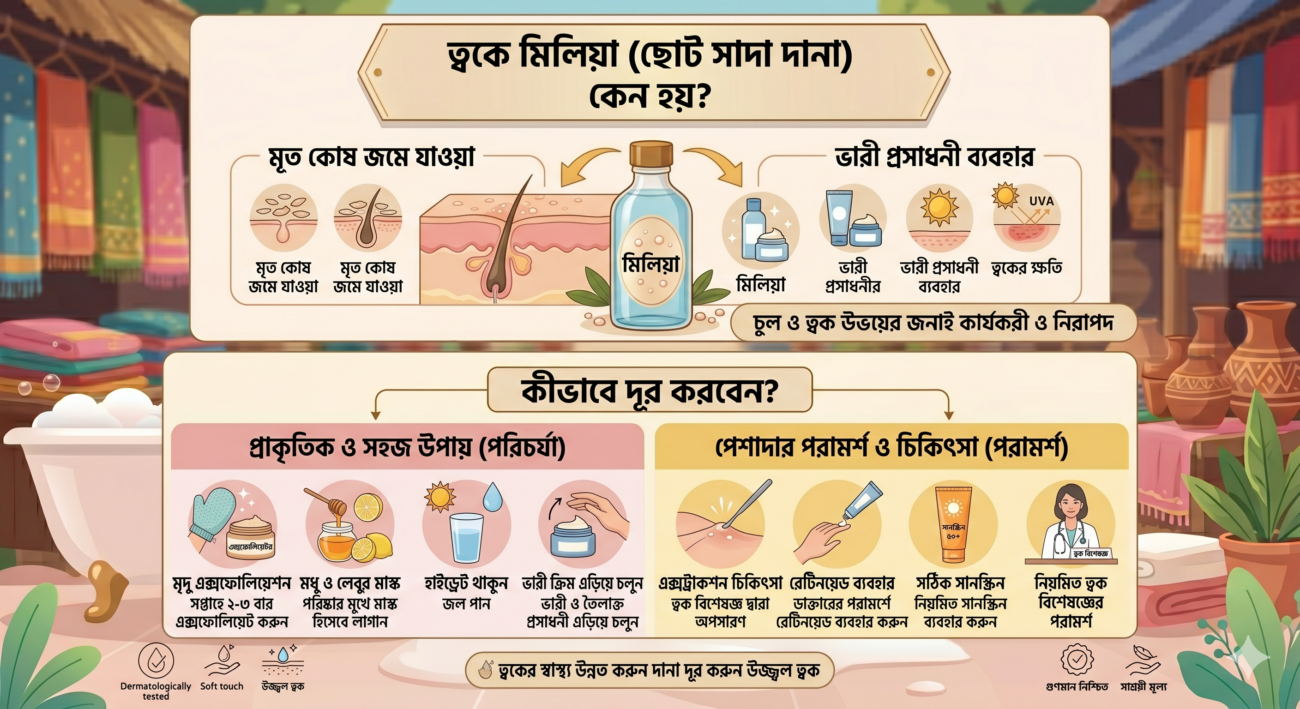
চোখের চারপাশে বা গালে ছোট ছোট শক্ত সাদা দানা দেখা দিচ্ছে? এগুলো হয়তো মিলিয়া। ব্রণের...



 Serums and Treatments
 Moisturizer
 Cleanser
 Face Mask
 Acne Treatment Products
 Sun Protection
 Skin Care Sets & Kits
 Eye Care Products
 Lip Care Products
 Toners & Exfoliators
 Active Ingredient Products
 Body Butter
 Men’s Face Wash
 Moisturizer for Men
 Men’s Hair Care Products
 Brightening Skincare Products
 Acne Skincare Products
 Pore Minimizing Products
 Anti-Aging Skincare Products
 Pigmentation Treatment Products
 Dehydration Skincare Products
 Blackheads & Whiteheads Treatment Products
 Bumpy Skin Treatment Products
 Blemish & Spot Treatment Products
 Dark Circles Treatment Products
 Sensitive Skin Care Products
