
Table of Contents
Snail mucin and centella asiatica are K-beauty’s two highest-selling active ingredients, both offering soothing and repairing properties—but they target different primary concerns: snail mucin excels at multi-functional hydration and surface repair, while centella asiatica excels at deep anti-inflammation, barrier restoration, and collagen stimulation.
Understanding their distinct mechanisms prevents redundancy and helps select the right ingredient for each skin concern.
What Does Snail Mucin Do Best?
Snail mucin’s primary strength is multi-functional hydration: its glycoprotein matrix binds moisture (like hyaluronic acid), its natural glycolic acid provides gentle exfoliation, its copper peptides stimulate collagen, and its antimicrobial peptides protect healing skin.
Clinical results: 25–35% hydration increase, 15–20% fine line reduction, and 30–40% faster wound healing over 8 weeks.
Best for: dehydrated skin, post-acne healing, dull skin needing radiance, general skin maintenance. Not the best choice for active inflammation or severely sensitized skin.
What Does Centella Asiatica Do Best?
Centella’s primary strength is targeted anti-inflammation: its 4 active triterpenoids (asiaticoside, madecassoside, asiatic acid, madecassic acid) inhibit NF-κB inflammatory signaling, reduce redness by 30–50%, and stimulate collagen Type I and III synthesis for barrier rebuilding and scar repair. Clinical results: 40–60% redness reduction, 25–35% barrier function improvement, and measurable scar improvement over 12 weeks.
Best for: sensitive/reactive skin, rosacea-prone skin, post-procedure recovery, acne inflammation, barrier repair. Not primarily a hydrator—pair with hyaluronic acid for hydration.
Centella products | Soothing gels
Can Snail Mucin and Centella Be Used Together?
Snail mucin and centella are fully compatible and complement each other: snail mucin provides the hydration and surface repair that centella lacks, while centella provides the deep anti-inflammatory action that snail mucin cannot match. Layer centella serum first (thinner, targets inflammation) followed by snail mucin essence (thicker, provides hydrating moisture seal).
How to Choose Between Them?
- Choose snail mucin when: Skin is dehydrated, dull, healing from mild acne, or needs a gentle multi-purpose product.
- Choose centella when: Skin is inflamed, red, sensitive, barrier-damaged, or recovering from procedures.
- Use both when: Skin is both dehydrated and inflamed (common in over-exfoliated or monsoon-stressed Bangladeshi skin).
Frequently Asked Questions
Q: Which ingredient is better for acne-prone skin?
A: Centella is better for active, inflamed acne because it reduces the NF-κB inflammatory response driving red, swollen breakouts. Snail mucin is better for post-acne healing—fading marks, restoring hydration, and smoothing texture after the active inflammation resolves. Use centella during breakouts and snail mucin after breakouts clear.
Q: Do these ingredients cause purging?
A: Neither snail mucin nor centella causes purging. Purging occurs only with exfoliating actives (retinoids, AHAs, BHAs) that accelerate cell turnover. If breakouts occur after introducing snail mucin or centella, the product is causing a reaction (likely to another ingredient in the formula)—not purging. Discontinue and patch test a different formulation.

You May Also Like
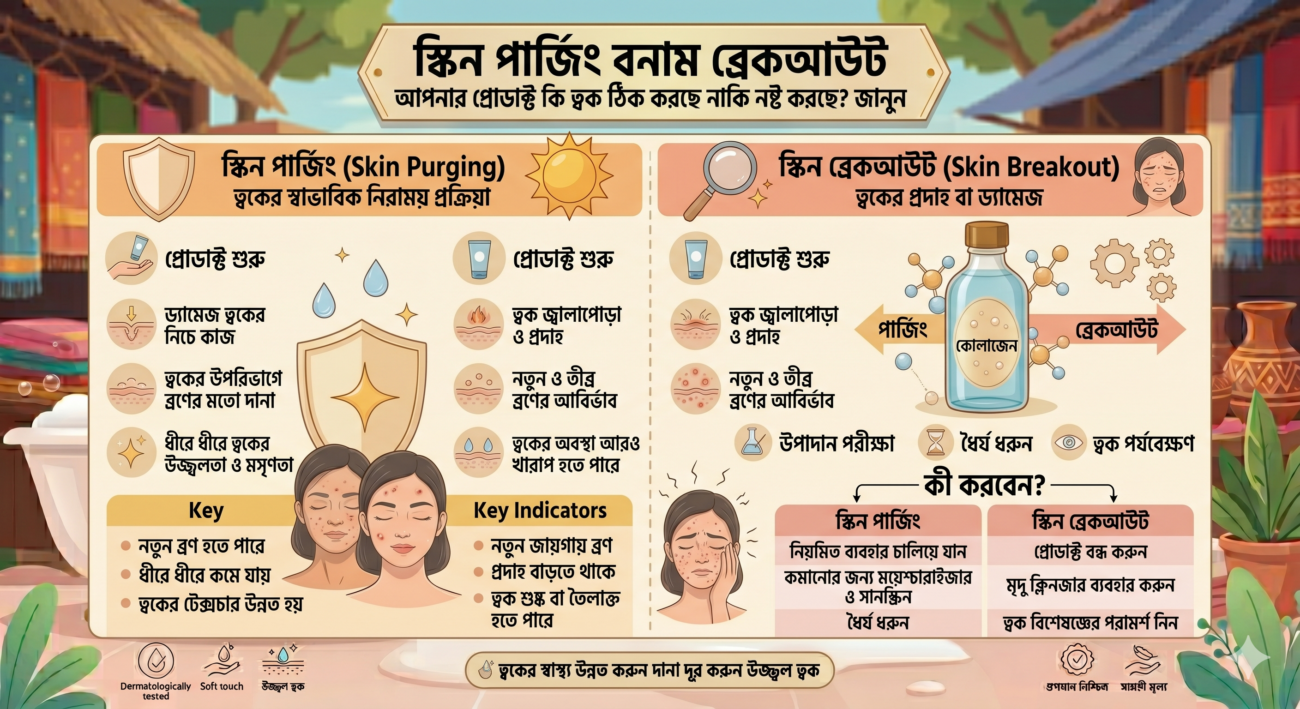
নতুন স্কিনকেয়ার প্রোডাক্ট শুরু করার পর ব্রণ বেড়ে গেছে? এখন ছেড়ে দেবেন নাকি চালিয়ে যাবেন?...
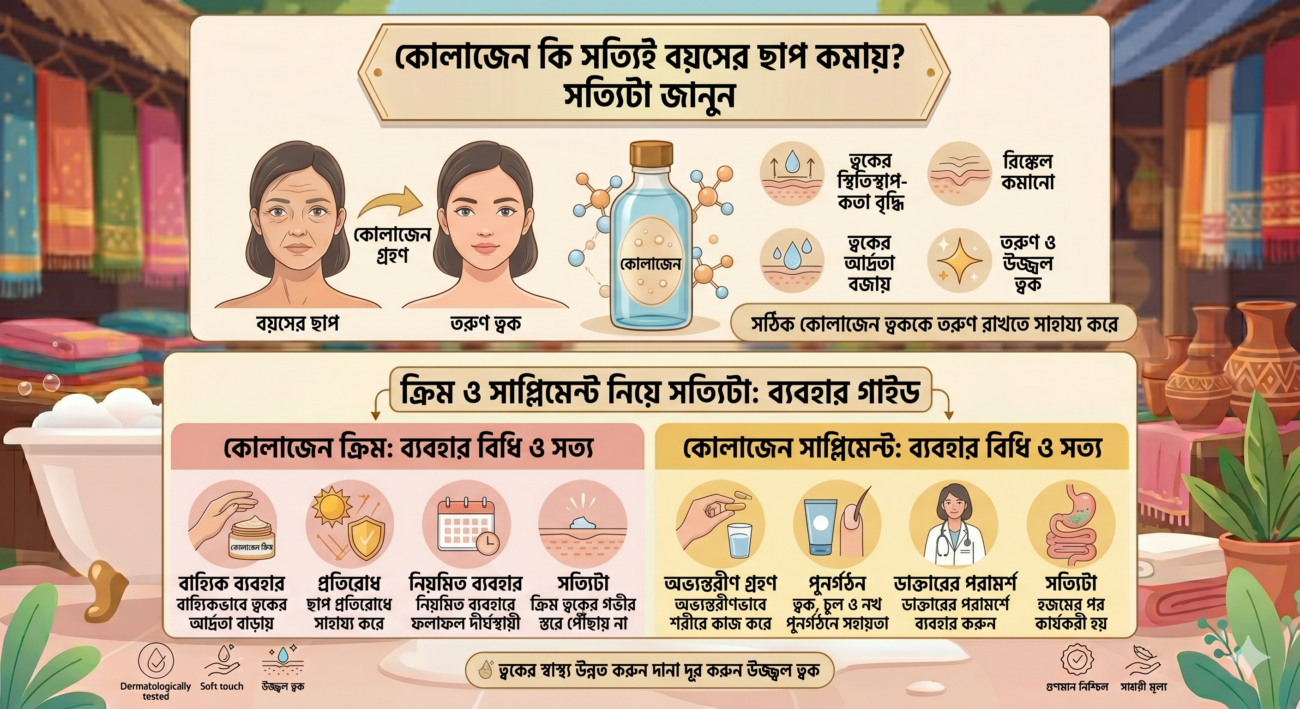
কোলাজেন — অ্যান্টি-এজিং মার্কেটে এই শব্দটা সবচেয়ে বেশি ব্যবহৃত হয়। কোলাজেন ক্রিম, কোলাজেন সাপ্লিমেন্ট, কোলাজেন...
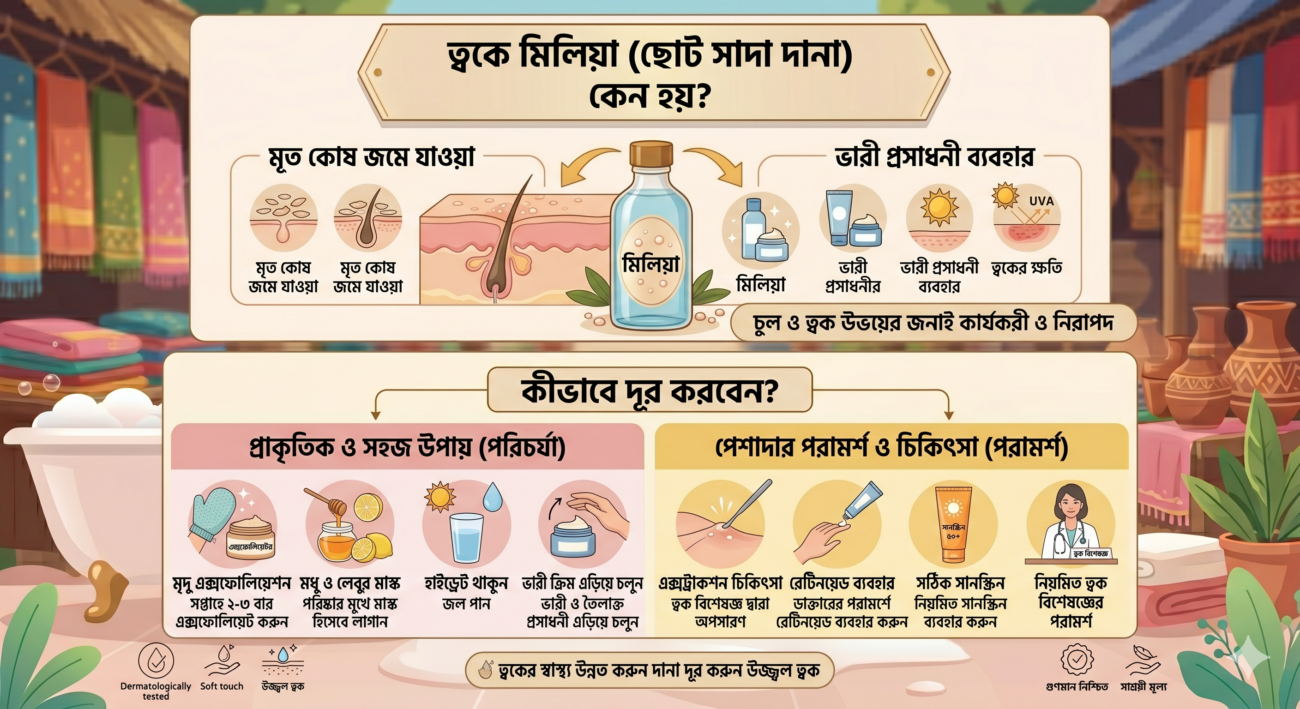
চোখের চারপাশে বা গালে ছোট ছোট শক্ত সাদা দানা দেখা দিচ্ছে? এগুলো হয়তো মিলিয়া। ব্রণের...



 Serums and Treatments
 Moisturizer
 Cleanser
 Face Mask
 Acne Treatment Products
 Sun Protection
 Skin Care Sets & Kits
 Eye Care Products
 Lip Care Products
 Toners & Exfoliators
 Active Ingredient Products
 Body Butter
 Men’s Face Wash
 Moisturizer for Men
 Men’s Hair Care Products
 Brightening Skincare Products
 Acne Skincare Products
 Pore Minimizing Products
 Anti-Aging Skincare Products
 Pigmentation Treatment Products
 Dehydration Skincare Products
 Blackheads & Whiteheads Treatment Products
 Bumpy Skin Treatment Products
 Blemish & Spot Treatment Products
 Dark Circles Treatment Products
 Sensitive Skin Care Products
