
Table of Contents
Skin brightening and skin whitening are fundamentally different approaches: brightening restores the skin’s natural radiance by evening out tone, fading dark spots, and increasing luminosity, while whitening attempts to lighten the overall skin color below its natural melanin baseline.
The distinction matters because brightening uses safe, evidence-based ingredients (vitamin C, niacinamide, alpha arbutin) that improve skin health, while aggressive whitening agents (high-dose hydroquinone, mercury-containing creams) carry serious dermatological and systemic health risks.
What Does Skin Brightening Actually Mean?
Skin brightening targets 3 specific issues: hyperpigmentation (dark spots from acne, sun damage, or hormonal changes), uneven skin tone (patchy areas of darker and lighter skin), and dullness (surface buildup of dead cells that reduces light reflection).
Brightening restores the skin to its healthiest, most even version—not a lighter version. The goal is clarity and luminosity, not color change.
Brightening products | Brightening serums
What Are the Risks of Unsafe Whitening Products?
Unsafe whitening products—particularly those containing mercury, high-dose hydroquinone (above 4% without supervision), or undisclosed steroids—cause 6 documented health risks: ochronosis (permanent blue-gray skin discoloration), mercury poisoning (kidney damage, neurological effects), steroid-induced skin thinning, rebound hyperpigmentation, contact dermatitis, and increased infection risk from barrier destruction.
These products remain widely available in South Asian markets despite regulatory restrictions.
Which Brightening Ingredients Are Safe and Effective?
7 brightening ingredients carry strong safety and efficacy profiles: vitamin C (10–20%), niacinamide (5–10%), alpha arbutin (2%), kojic acid (1–2%), tranexamic acid (3–5%), azelaic acid (10–20%), and licorice root extract (glabridin).
All 7 inhibit melanin production or transfer through well-understood mechanisms without the cytotoxicity or systemic risks of aggressive whitening agents.
Brightening creams | Whitening creams at GlowBD
Frequently Asked Questions
Q: Are products labeled ‘whitening’ automatically unsafe?
A: Not necessarily. Many Asian beauty brands use “whitening” to mean “brightening” due to translation conventions. Check the ingredient list: products containing vitamin C, niacinamide, arbutin, or tranexamic acid are brightening products regardless of marketing language. Avoid products with mercury, unlisted steroids, or hydroquinone above 2% without dermatologist supervision.
Q: How long does safe brightening take?
A: Safe brightening with evidence-based ingredients produces visible improvement in 6–8 weeks and significant results in 12–16 weeks. The gradual timeline reflects the skin’s natural 28-day cell turnover cycle. Products that promise dramatic lightening within days likely contain unsafe active ingredients.

You May Also Like
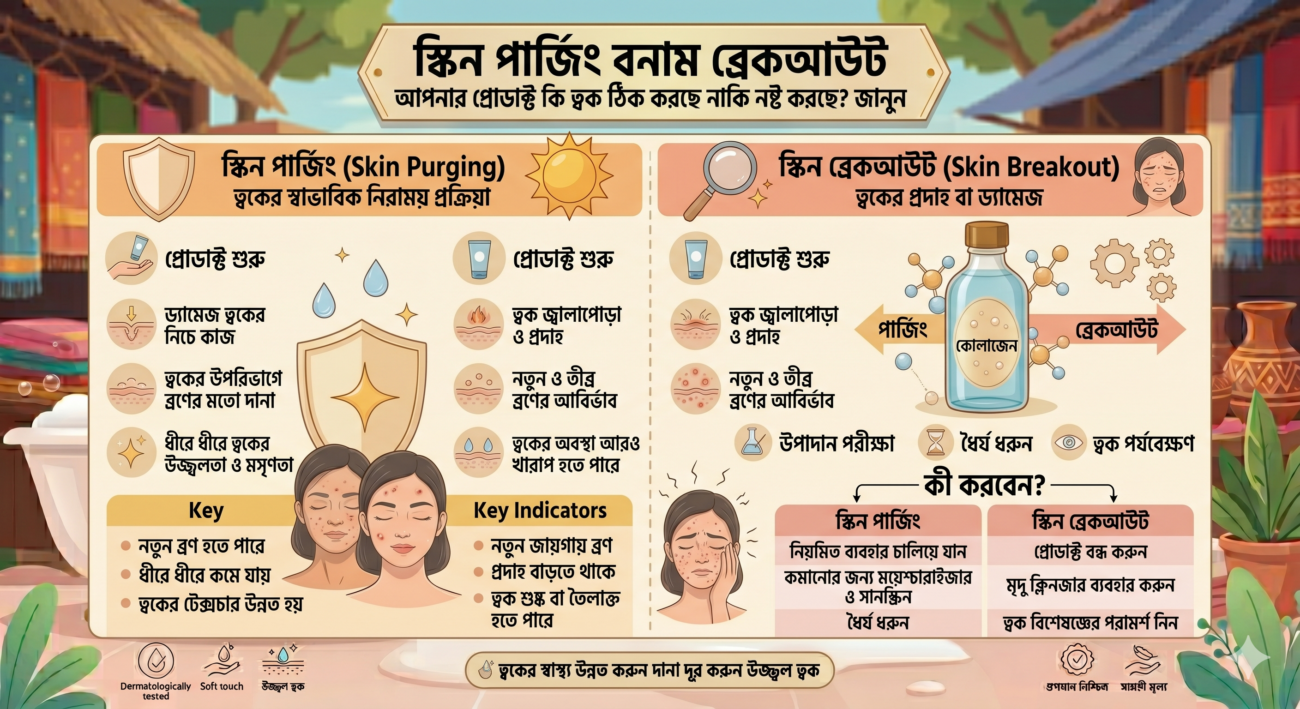
নতুন স্কিনকেয়ার প্রোডাক্ট শুরু করার পর ব্রণ বেড়ে গেছে? এখন ছেড়ে দেবেন নাকি চালিয়ে যাবেন?...
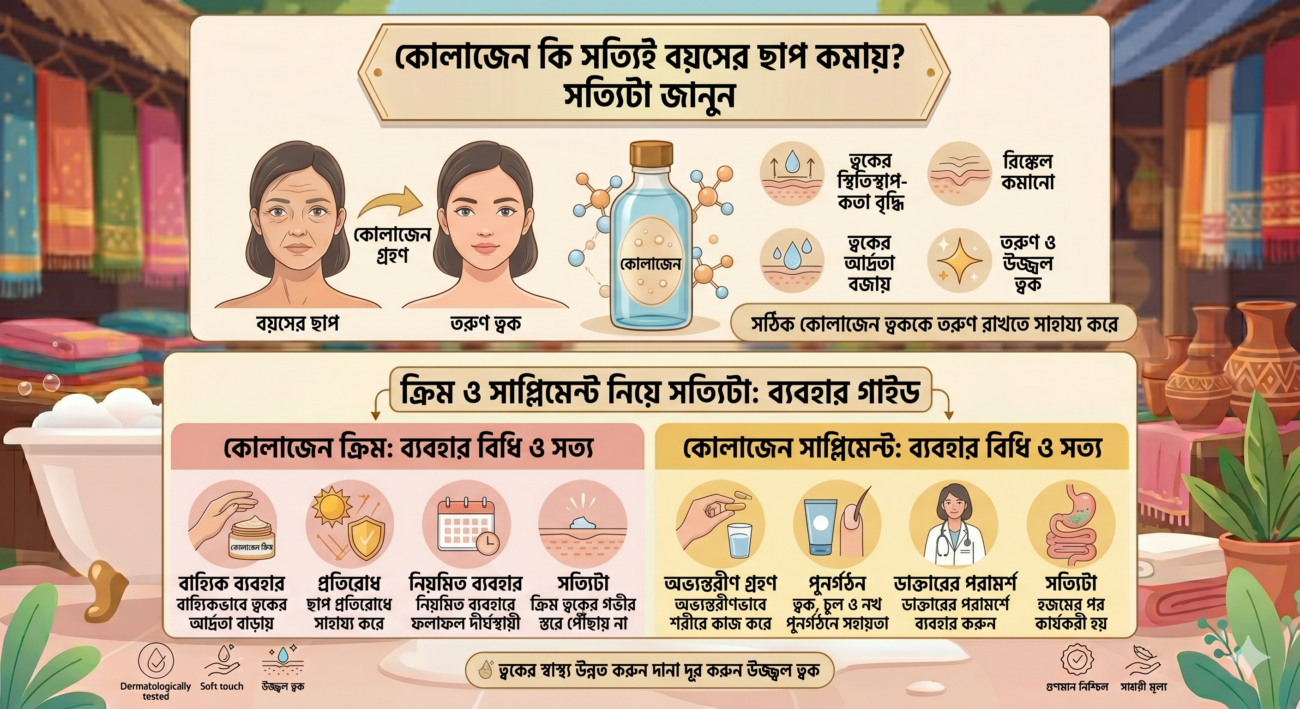
কোলাজেন — অ্যান্টি-এজিং মার্কেটে এই শব্দটা সবচেয়ে বেশি ব্যবহৃত হয়। কোলাজেন ক্রিম, কোলাজেন সাপ্লিমেন্ট, কোলাজেন...
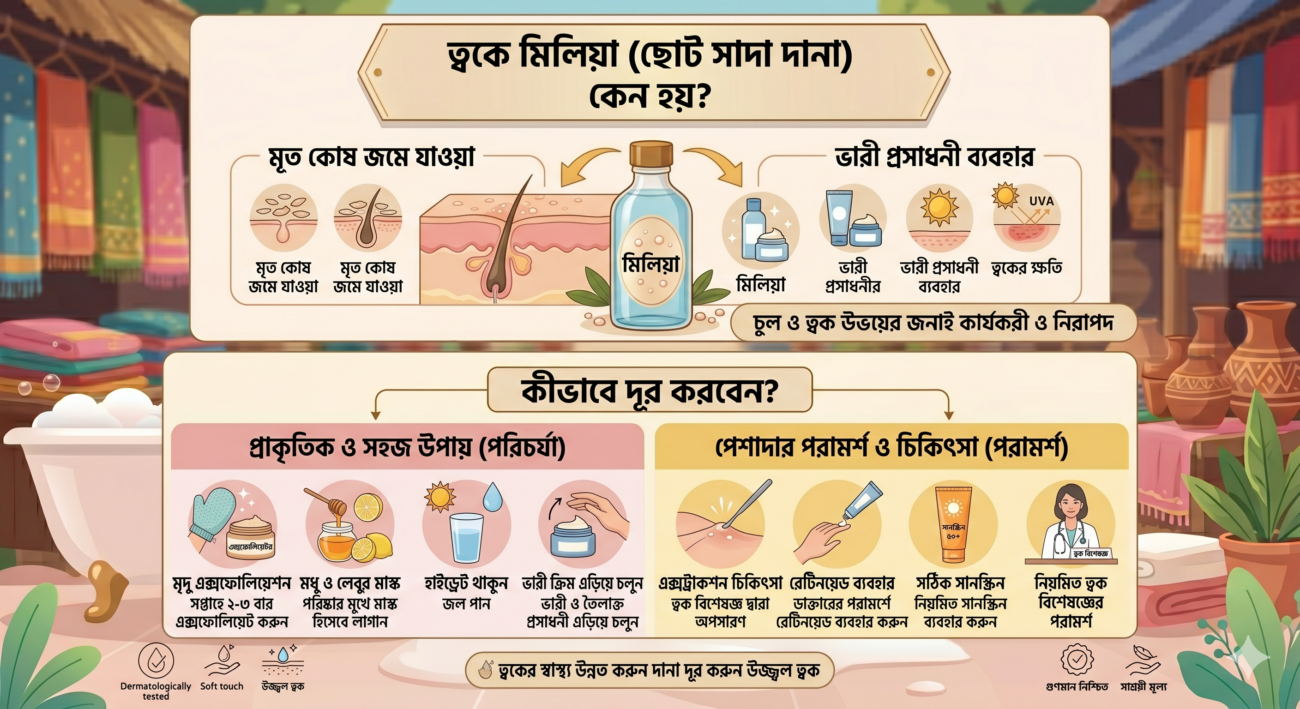
চোখের চারপাশে বা গালে ছোট ছোট শক্ত সাদা দানা দেখা দিচ্ছে? এগুলো হয়তো মিলিয়া। ব্রণের...



 Serums and Treatments
 Moisturizer
 Cleanser
 Face Mask
 Acne Treatment Products
 Sun Protection
 Skin Care Sets & Kits
 Eye Care Products
 Lip Care Products
 Toners & Exfoliators
 Active Ingredient Products
 Body Butter
 Men’s Face Wash
 Moisturizer for Men
 Men’s Hair Care Products
 Brightening Skincare Products
 Acne Skincare Products
 Pore Minimizing Products
 Anti-Aging Skincare Products
 Pigmentation Treatment Products
 Dehydration Skincare Products
 Blackheads & Whiteheads Treatment Products
 Bumpy Skin Treatment Products
 Blemish & Spot Treatment Products
 Dark Circles Treatment Products
 Sensitive Skin Care Products
