
Table of Contents
A postpartum skincare routine uses 5 safe, breastfeeding-compatible steps: fragrance-free cream cleanser → alcohol-free hydrating toner → niacinamide or azelaic acid serum → ceramide moisturizer → mineral SPF 50 . Postpartum skin undergoes estrogen withdrawal, elevated cortisol, and sleep disruption — producing 3 primary concerns: melasma, hormonal acne, and barrier dryness.
All breastfeeding-safe postpartum skincare — fragrance-free, retinol-free, and dermatologist-compatible — is available at GlowBD beauty store with fast delivery across Bangladesh.
What Skin Changes Occur After Childbirth?
Postpartum skin undergoes 4 changes after delivery: estrogen decline reduces collagen synthesis and increases dryness; progesterone drop triggers hormonal acne; elevated cortisol activates melanin overproduction that worsens melasma; sleep deprivation reduces skin repair hormone secretion by 40–50% .
Most postpartum skin changes resolve within 6–12 months as hormone levels normalize. Targeted skincare accelerates visible recovery during the hormonal transition period.
Which Skincare Ingredients Are Confirmed Safe During Breastfeeding?
5 skincare ingredient categories confirmed safe during breastfeeding: niacinamide (up to 10%), azelaic acid (up to 20%), hyaluronic acid, ceramides, and mineral sunscreens (zinc oxide and titanium dioxide) . These ingredients have minimal to zero dermal absorption into systemic circulation and are not detected in breast milk at measurable concentrations in available research.
Which Skincare Ingredients Must Be Avoided During Breastfeeding?
4 ingredient categories must be avoided during breastfeeding: retinol and retinoids (classified as systemic vitamin A derivatives with theoretical fetal risk), hydroquinone above 2% (significant systemic absorption), chemical sunscreens with oxybenzone or octinoxate (detected in breast milk), and high-concentration benzoyl peroxide (systemic absorption risk) .
Salicylic acid (BHA) should be used only as a targeted spot treatment — not as a full-face toner — during breastfeeding. Consult a dermatologist before using any active ingredient at prescription concentrations postpartum.
What Cleanser Is Best for Postpartum Skin?
A fragrance-free, SLS-free cream cleanser with ceramides and glycerin is the safest and most effective cleanser for postpartum skin , addressing both the increased skin sensitivity from hormonal changes and the barrier dryness from postpartum estrogen decline.
Apply a gentle fragrance-free cleanser using fingertips only — no brush or cloth. Rinse with cool water. Pat dry with a clean cotton towel. Postpartum skin is more reactive to mechanical and thermal irritation than pre-pregnancy skin.
How Does Postpartum Skincare Address Melasma?
Postpartum melasma is treated with azelaic acid (10–20%) as the primary breastfeeding-safe brightening active: azelaic acid inhibits tyrosinase — the enzyme responsible for melanin synthesis — at concentrations confirmed safe for lactating mothers in published dermatological research .
Apply azelaic acid or gentle brightening serum to melasma patches after toner, morning and evening. Pair with strict daily mineral SPF 50 — UV exposure is the primary driver of melasma worsening and must be blocked regardless of treatment used.
Results from azelaic acid melasma treatment appear within 8–16 weeks of consistent twice-daily application. Do not introduce retinol, hydroquinone, or kojic acid for melasma treatment until after weaning.
What Moisturizer Is Best for Postpartum Dry Skin?
A ceramide-hyaluronic acid cream moisturizer is best for postpartum dry skin because postpartum estrogen decline directly reduces ceramide production in the skin — ceramide creams replace the structural lipids needed to restore and maintain the skin barrier during the high-cortisol, sleep-deprived postpartum period.
Apply a ceramide barrier repair cream morning and evening. For very dry postpartum skin, apply a second thin layer after 2 minutes using the layering method — toner → moisturizer → toner mist → moisturizer.
How Does a New Mom Balance Skincare with Newborn Care?
Reduce the routine to 3 non-negotiable steps during the newborn phase (0–3 months): cleanser, ceramide moisturizer, and mineral SPF 50 . The full 5-step routine reintroduces from Month 4 when infant feeding and sleep patterns begin regularizing. Pre-prepare skincare products in the bathroom the night before to reduce morning application time.
Frequently Asked Questions: Postpartum Skincare
Can new moms use retinol after giving birth?
Retinol should be avoided during breastfeeding — retinol is a vitamin A derivative classified by conservative dermatological guidelines as theoretically unsafe during lactation due to systemic absorption potential. Breastfeeding-safe alternatives for anti-aging and brightening include niacinamide (5–10%), azelaic acid (10–20%), and peptide serums — all deliver results without systemic absorption risk.
How do I treat postpartum hormonal acne while breastfeeding?
Postpartum hormonal acne during breastfeeding is treated with a salicylic acid cleanser (used as a spot wash, not a full-face soak), 5% niacinamide toner applied to the whole face, and azelaic acid 15% as a targeted spot treatment — all with established breastfeeding safety profiles. Pimple patches applied directly to active breakouts prevent spreading and infection without systemic ingredient absorption.
Will postpartum melasma fade on its own after stopping breastfeeding?
Postpartum melasma partially fades on its own within 3–6 months after estrogen levels normalize — strict daily mineral SPF 50 is the most effective intervention to prevent further darkening and support fading. Active treatment with azelaic acid during breastfeeding and niacinamide after weaning accelerates the natural fading process by 40–60%.
What SPF is safest for breastfeeding moms?
Mineral SPF (zinc oxide and titanium dioxide only) is the safest sunscreen for breastfeeding moms — mineral UV filters sit on the skin surface and reflect UV without systemic absorption. Chemical UV filters including oxybenzone, octinoxate, and avobenzone have been detected in breast milk in published studies and should be avoided during lactation.
How long does postpartum skin take to normalize?
Postpartum skin normalizes within 6–12 months after childbirth as estrogen, progesterone, and cortisol levels return to pre-pregnancy baselines — most hormonal acne clears by Month 4–6, melasma fades significantly by Month 6–12 with consistent SPF and azelaic acid use, and postpartum dryness resolves by Month 3–4 with ceramide moisturizer.

You May Also Like
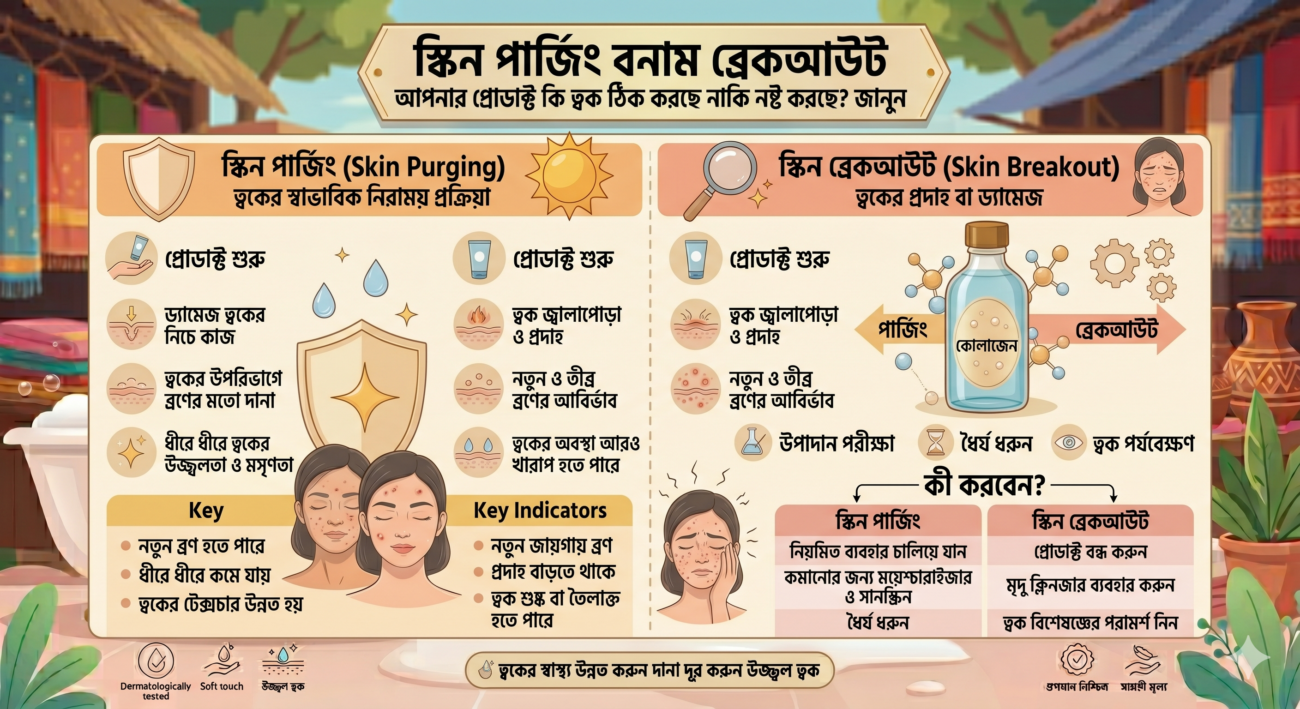
নতুন স্কিনকেয়ার প্রোডাক্ট শুরু করার পর ব্রণ বেড়ে গেছে? এখন ছেড়ে দেবেন নাকি চালিয়ে যাবেন?...
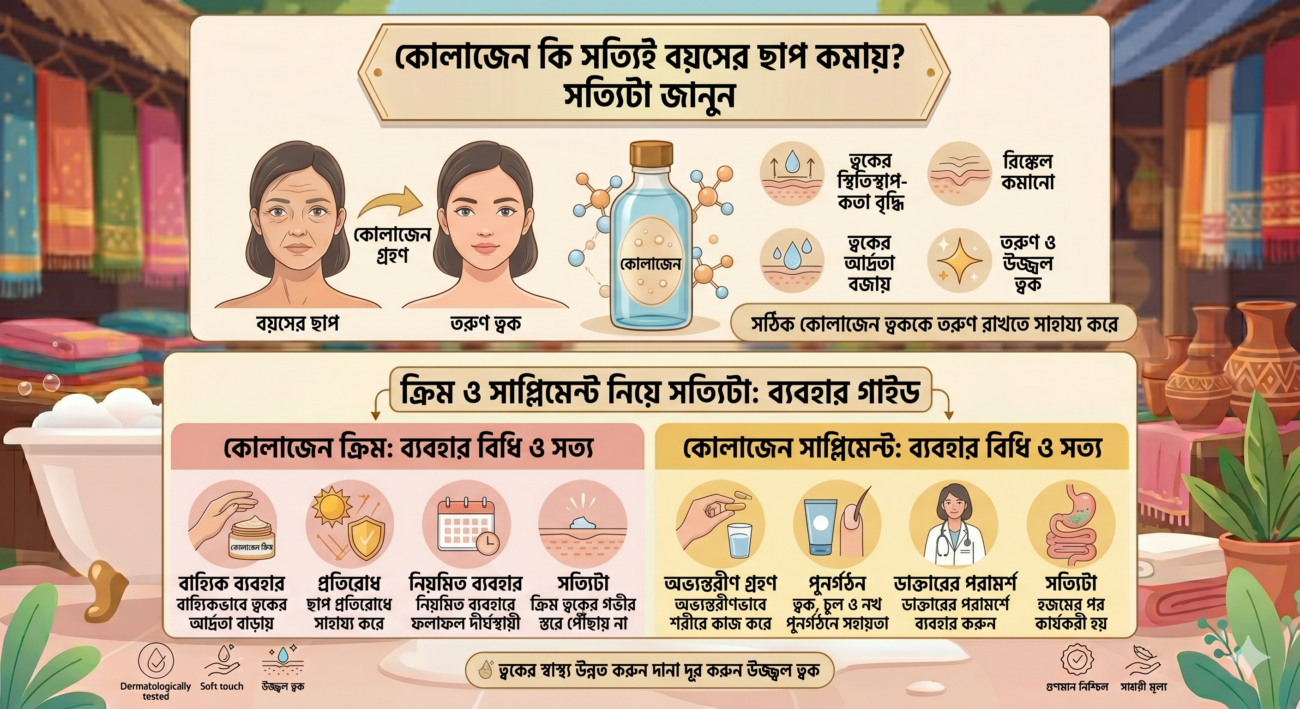
কোলাজেন — অ্যান্টি-এজিং মার্কেটে এই শব্দটা সবচেয়ে বেশি ব্যবহৃত হয়। কোলাজেন ক্রিম, কোলাজেন সাপ্লিমেন্ট, কোলাজেন...
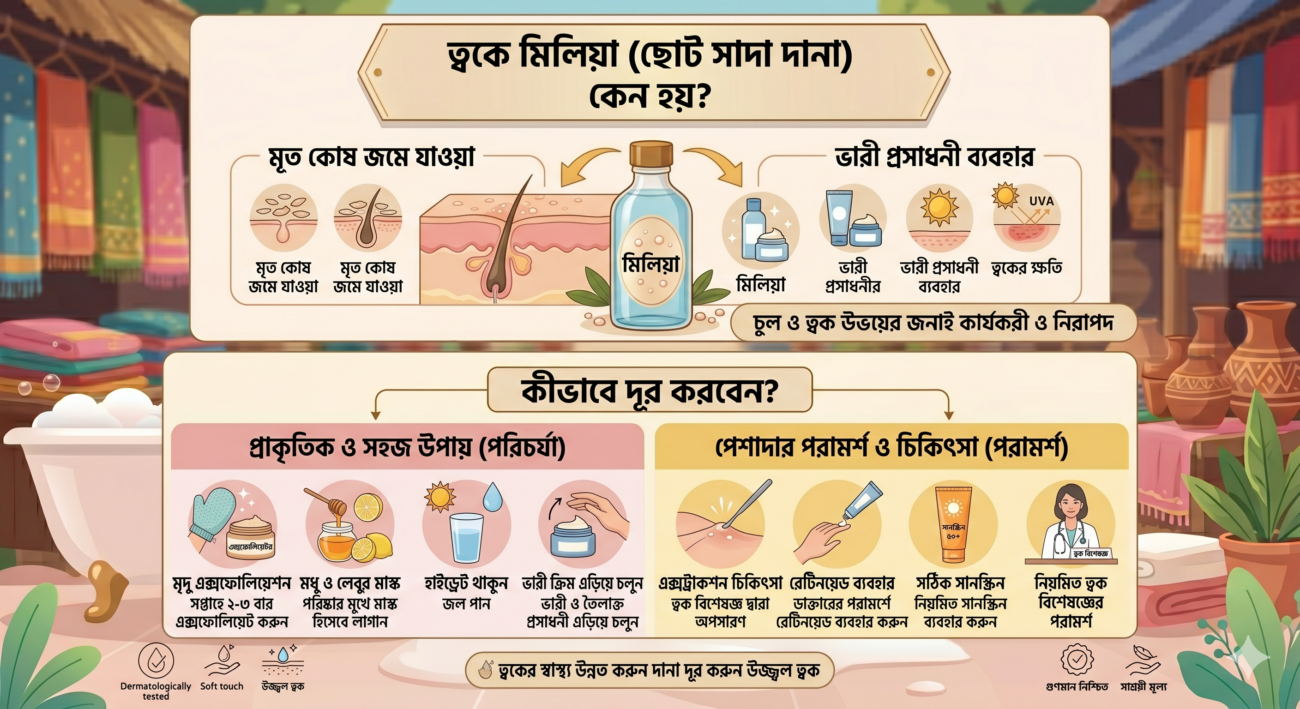
চোখের চারপাশে বা গালে ছোট ছোট শক্ত সাদা দানা দেখা দিচ্ছে? এগুলো হয়তো মিলিয়া। ব্রণের...



 Serums and Treatments
 Moisturizer
 Cleanser
 Face Mask
 Acne Treatment Products
 Sun Protection
 Skin Care Sets & Kits
 Eye Care Products
 Lip Care Products
 Toners & Exfoliators
 Active Ingredient Products
 Body Butter
 Men’s Face Wash
 Moisturizer for Men
 Men’s Hair Care Products
 Brightening Skincare Products
 Acne Skincare Products
 Pore Minimizing Products
 Anti-Aging Skincare Products
 Pigmentation Treatment Products
 Dehydration Skincare Products
 Blackheads & Whiteheads Treatment Products
 Bumpy Skin Treatment Products
 Blemish & Spot Treatment Products
 Dark Circles Treatment Products
 Sensitive Skin Care Products
