
Table of Contents
Post-shave skin problems — razor bumps, ingrown hairs, redness, and persistent irritation — affect the majority of Bangladeshi men who shave regularly. The mechanism is well understood: shaving removes the top layer of the epidermis along the shaved area (a form of physical exfoliation), disrupting the skin barrier and leaving keratinocytes exposed. This barrier disruption increases TEWL, creates sensitivity, and if not managed, becomes the environment where C. acnes bacteria cause post-shave breakouts, and where growing hairs re-enter the skin (pseudofolliculitis barbae — razor bumps). The right post-shave routine addresses barrier repair, prevents bacterial infection, and keeps follicles clear — turning a skin-damaging daily habit into a manageable one.
Shop men’s skincare , sensitive skin products , and soothing gels from the top beauty brand Bangladesh .
Why Does Shaving Cause Skin Problems?
What is pseudofolliculitis barbae (razor bumps)?
Razor bumps (pseudofolliculitis barbae, or PFB) occur when shaved hairs — cut at an angle by the blade — curl back into the skin as they regrow, rather than emerging cleanly through the follicle opening. The ingrown hair triggers an inflammatory foreign-body response: a painful, red, raised papule or pustule at the follicle. PFB is more common in men with curly or coarser beard hair, where the natural curl of the hair shaft increases the likelihood of re-entry. It is also worsened by close-shave multi-blade razors that cut hair below the follicle opening level, and by shaving against the direction of hair growth. In Bangladesh, PFB is among the most common dermatological concerns in adult men who shave regularly.
The Correct Pre-Shave Preparation
Soften the beard first: Shave after a warm shower — warm water softens the beard hair (reduces cutting resistance by 70%) and opens the follicle opening, reducing the required blade pressure and subsequent irritation. Cleanse before shaving: Remove sebum and dead cell buildup from the beard area before shaving — a clean surface reduces bacterial spread during blade friction. A BHA cleanser pre-shave also begins softening the follicle keratin that contributes to ingrown hairs. Use a quality shaving medium: Shaving cream, gel, or foam provides lubrication between blade and skin — reducing friction-caused barrier disruption. Shaving dry is the single most damaging technique and the primary cause of post-shave irritation and razor burns.
The Post-Shave Skincare Routine
Step 1: Rinse with cool water
After shaving, rinse the beard area with cool water — not cold, not warm. Cool water closes the follicle openings and reduces the vascular response (redness, heat) from shaving-induced micro-inflammation. Pat dry gently with a clean towel — do not rub.
Step 2: Apply BHA toner to the shaved area
A salicylic acid toner (1–2%) applied to the shaved area immediately post-rinse is the most effective single step for preventing ingrown hairs and razor bumps. BHA penetrates inside the follicle opening and exfoliates the keratin buildup that traps growing hairs under the skin surface — preventing the re-entry that causes PFB. Apply with a cotton pad, allow 1–2 minutes to absorb. This step also reduces C. acnes bacterial counts in the post-shave broken-barrier environment, preventing post-shave breakouts.
Step 3: Soothing active treatment
Centella asiatica serum or gel: Patted onto the shaved area — reduces the inflammatory response from shaving micro-trauma within minutes. Madecassoside and asiaticoside (the active CICA compounds) are among the most rapidly anti-inflammatory topical ingredients available. Niacinamide serum: Applied after any soothing step — reduces redness, calms PIH formation from shaving irritation, and provides ongoing sebum control to prevent post-shave breakouts. Avoid: Alcohol-based aftershaves on freshly shaved skin — the high alcohol content causes immediate stinging, increases barrier disruption, and provides no meaningful benefit over modern skincare actives. Menthol aftershaves provide the sensation of cooling but do not repair the barrier.
Step 4: Barrier-repairing moisturiser
A ceramide-containing moisturiser or fragrance-free lotion applied as the final step seals the post-shave barrier. The shaved area is temporarily more permeable than unshaved skin — a ceramide moisturiser reduces this excess TEWL and prevents the tightness and sensitivity that develops through the day after shaving. Apply gently with patting motions, not rubbing.
Step 5: SPF 50 (morning shaves)
The freshly shaved area is more photosensitive than unshaved skin — the micro-exfoliation from the blade removes the surface cells that provide some UV scattering. Apply SPF 50 PA++++ generously over the moisturiser. The additional UV protection for post-shave skin reduces both UV-induced PIH on sensitive post-shave skin and prevents ongoing darkening of any existing razor bump marks.
Shaving Technique Changes That Reduce Razor Bumps
Single-blade razor: Multi-blade razors cut hair below the follicle opening (allowing the cut tip to retract below skin level) — increasing PFB risk significantly. A single-blade safety razor cuts at the skin surface level, reducing below-surface cutting. Shave with the grain: Shave in the direction of hair growth. This produces slightly less close results but dramatically reduces razor bumps by cutting hair at a less acute angle that is less likely to re-enter the skin. Reduce shaving frequency: For men with severe PFB, reducing from daily shaving to every other day or every 2 days allows follicles to recover and hairs to grow past the re-entry risk length. Replace blades regularly: Dull blades require more pressure for the same cut — increasing barrier disruption, skin drag, and razor bump risk. Replace cartridge blades every 5–7 shaves.
Frequently Asked Questions About Post-Shave Skincare
How do you get rid of existing razor bumps quickly?
Apply warm compress (2 minutes) to soften the trapped hair, then BHA toner (salicylic acid 2%) twice daily to exfoliate the follicle and free the ingrown hair. Centella asiatica serum reduces the inflammation. Do not squeeze or pick — this significantly worsens PIH on South Asian skin. Most razor bumps resolve in 5–10 days with this protocol.
Should you shave before or after showering?
After showering — warm water and steam soften beard hair substantially, reducing the cutting force required and minimising blade-induced micro-tears. Shaving before showering on dry, hard beard hair produces significantly more irritation and razor bumps.
Is electric shaving better for razor bumps?
Electric shavers do not cut as close as blade razors — reducing the below-follicle cut that causes PFB. For men with severe razor bumps, switching to an electric foil shaver significantly reduces PFB frequency. The cosmetic trade-off is a less smooth shave. For men with mild PFB, improving blade shaving technique (single blade, with the grain, post-shave BHA) is usually sufficient.
Can you use retinol on the beard area?
Yes — retinol applied to the beard area between shaves (on non-shave nights or in a limited-coverage application) normalises follicle keratinisation over time, reducing the keratin plugs that trap growing beard hairs. Start at 0.025%, apply only on non-shave nights. Do not apply retinol immediately before or after shaving.
What is the best aftershave for Bangladesh’s climate?
Avoid traditional alcohol-based aftershaves — they disrupt the already-compromised post-shave barrier. The best post-shave product in Bangladesh’s climate is a centella asiatica gel (for immediate soothing) followed by a niacinamide serum and lightweight ceramide moisturiser. This combination is more effective, better-tolerated, and appropriate for the heat and humidity than any traditional alcohol aftershave.

You May Also Like
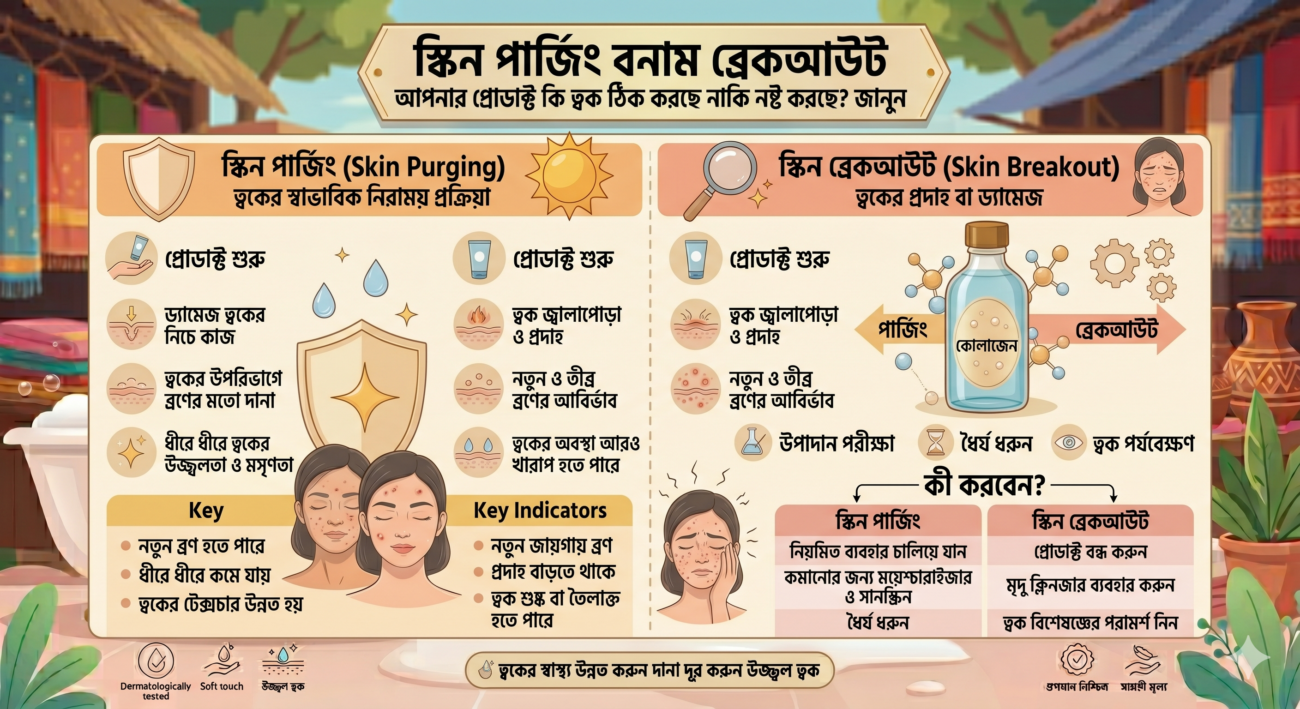
নতুন স্কিনকেয়ার প্রোডাক্ট শুরু করার পর ব্রণ বেড়ে গেছে? এখন ছেড়ে দেবেন নাকি চালিয়ে যাবেন?...
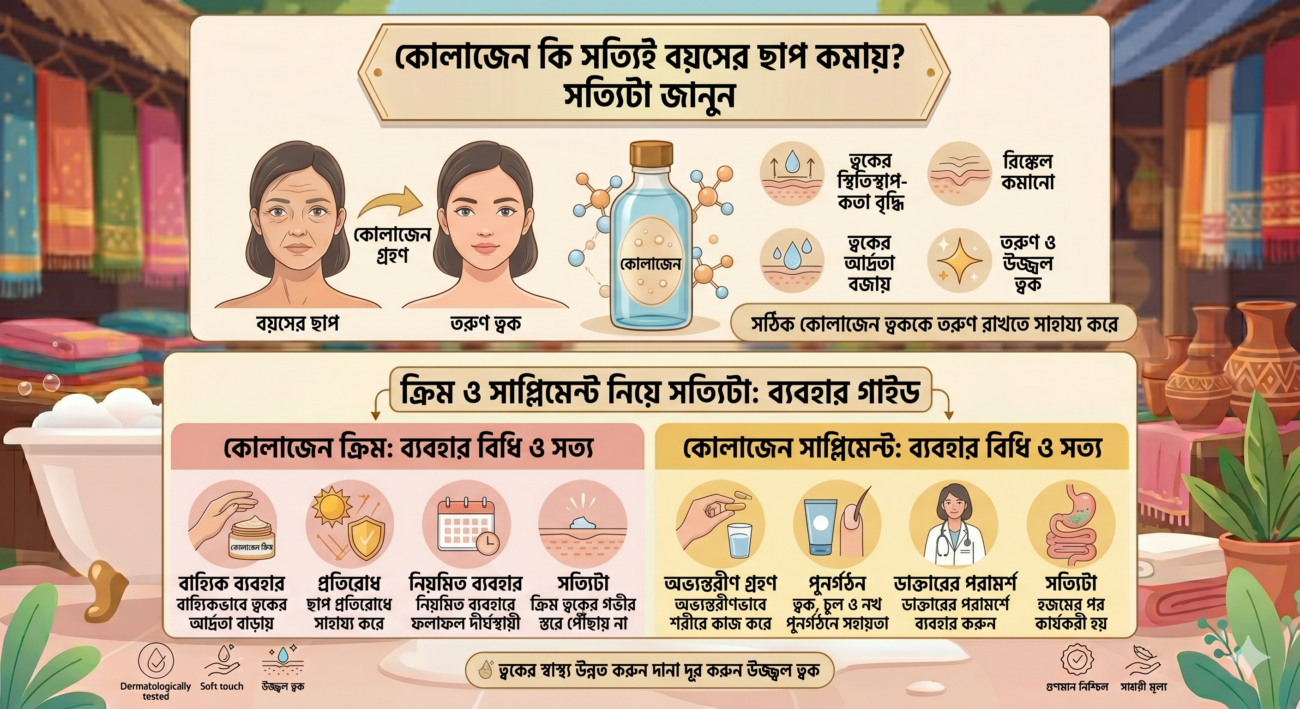
কোলাজেন — অ্যান্টি-এজিং মার্কেটে এই শব্দটা সবচেয়ে বেশি ব্যবহৃত হয়। কোলাজেন ক্রিম, কোলাজেন সাপ্লিমেন্ট, কোলাজেন...
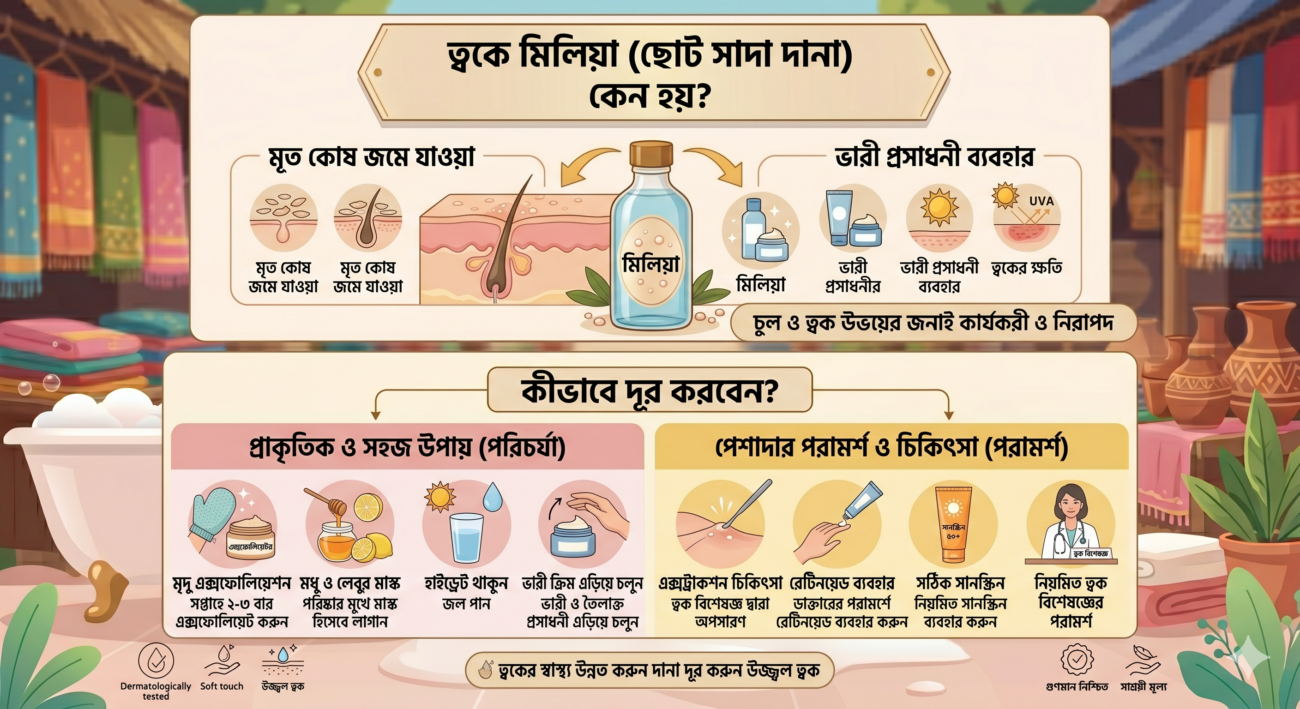
চোখের চারপাশে বা গালে ছোট ছোট শক্ত সাদা দানা দেখা দিচ্ছে? এগুলো হয়তো মিলিয়া। ব্রণের...



 Serums and Treatments
 Moisturizer
 Cleanser
 Face Mask
 Acne Treatment Products
 Sun Protection
 Skin Care Sets & Kits
 Eye Care Products
 Lip Care Products
 Toners & Exfoliators
 Active Ingredient Products
 Body Butter
 Men’s Face Wash
 Moisturizer for Men
 Men’s Hair Care Products
 Brightening Skincare Products
 Acne Skincare Products
 Pore Minimizing Products
 Anti-Aging Skincare Products
 Pigmentation Treatment Products
 Dehydration Skincare Products
 Blackheads & Whiteheads Treatment Products
 Bumpy Skin Treatment Products
 Blemish & Spot Treatment Products
 Dark Circles Treatment Products
 Sensitive Skin Care Products
