
Table of Contents
Micellar water is a no-rinse cleanser containing micelles — tiny spherical clusters of surfactant molecules with oil-attracting cores and water-attracting outer surfaces. When applied with a cotton pad, micelles capture and lift away makeup, sebum, and light impurities without the need to rinse, foam, or use significant friction. Micellar water was originally developed in France as a no-rinse cleansing option for areas with hard tap water, and became globally popular through its use by backstage makeup artists. In Bangladesh, it serves practical purposes for sensitive skin, no-water cleansing situations, and as a gentle first-step option for those who do not require double cleansing.
Shop micellar cleansing waters , makeup removers , and all cleansers from the top beauty brand Bangladesh .
How Does Micellar Water Actually Clean Skin?
Surfactant molecules in micellar water are amphiphilic — one end is attracted to oil, the other to water. In solution, they spontaneously arrange into spherical micelles with their oil-loving ends pointing inward (forming an oil-attracting core) and water-loving ends pointing outward. When a micellar-water-soaked cotton pad contacts skin, the micelle cores capture oil-based impurities (makeup, sebum, pollution particles) and suspend them in the water-based solution, which is then wiped away with the pad. The process requires no water activation or rinsing.
What Are the Limits of Micellar Water?
Can micellar water remove SPF 50?
Standard micellar water does not fully remove modern high-PA, film-forming SPF 50 formulas — particularly Korean sunscreens designed to resist sweat and water. Studies show residual sunscreen film remains on skin after micellar cleansing alone. This is micellar water’s most significant limitation for Bangladeshi users who wear SPF 50 PA++++ daily. For effective SPF removal: use an oil cleanser or cleansing balm as the first step, followed by a second water-based cleanser. Micellar water can be used as a pre-cleanse to remove surface sweat and light products before an oil/foam cleanser.
Is micellar water sufficient as a sole cleanser?
Micellar water is sufficient as a sole cleanser only in specific circumstances: no SPF worn that day; light or no makeup; morning cleansing (removing overnight skincare products and light sebum); travel or limited-water access. For end-of-day cleansing after SPF 50 use in Bangladesh’s environment, micellar water alone is inadequate. The residual surfactant left on skin from no-rinse application can also cause mild barrier disruption over time in sensitive skin — rinsing after micellar cleansing reduces this risk.
When Should You Use Micellar Water in Your Routine?
Best uses: (1) Morning cleanse on days when you slept wearing only moisturiser and no heavy products. (2) Eye makeup removal — the gentle no-friction application is ideal for the delicate periorbital area. (3) Mid-day SPF reapplication prep — wipe off SPF over foundation and SPF setting spray before reapplying, without disturbing full makeup. (4) Travel or gym bag cleanser for quick post-workout refresh. (5) First step on sensitive skin days when double cleansing might over-strip. Not ideal for: End-of-day removal of water-resistant SPF, heavy foundation, or waterproof eye makeup without a follow-up rinse-off cleanser.
What Type of Micellar Water Suits Different Skin Types?
Oily / acne-prone: Micellar water with niacinamide or salicylic acid — provides cleansing plus mild active delivery. Avoid oil-enriched versions. Dry / sensitive: Oil-enriched micellar water or micellar water with hyaluronic acid — provides hydration during cleansing without stripping. Rosacea / reactive: Fragrance-free, alcohol-free micellar water — the most minimal formulations reduce contact allergen exposure. French pharmacy brands (Bioderma Sensibio) are the most tested for sensitive skin compatibility.
Frequently Asked Questions About Micellar Water
Do you need to rinse after using micellar water?
Rinsing is recommended, especially for daily use. Residual surfactant from no-rinse application can mildly disrupt the skin barrier over time, particularly for sensitive skin.
Can micellar water replace a cleanser?
As a morning cleanser (removing only overnight skincare), yes — it is adequate. As an evening cleanser after SPF and makeup, no — it does not fully remove modern sunscreen formulas.
Is micellar water good for removing eye makeup?
Yes — it is one of the gentlest eye makeup removers available. The no-friction application (soak cotton pad, hold on closed eye for 20 seconds, then wipe gently) removes eye makeup without the tugging that causes periorbital irritation and long-term skin stretching.
Can micellar water cause breakouts?
Micellar water itself rarely causes breakouts, but leaving residual surfactant on skin without rinsing can contribute to mild barrier disruption that increases sensitivity. Always rinse after micellar cleansing if using it as part of a regular routine.
What is the difference between micellar water and toner?
Micellar water is a cleanser — it removes impurities through surfactant action and should be used before skincare. Toner is applied after cleansing to deliver actives or hydration to clean skin. They serve different steps and should not be substituted for each other.

You May Also Like
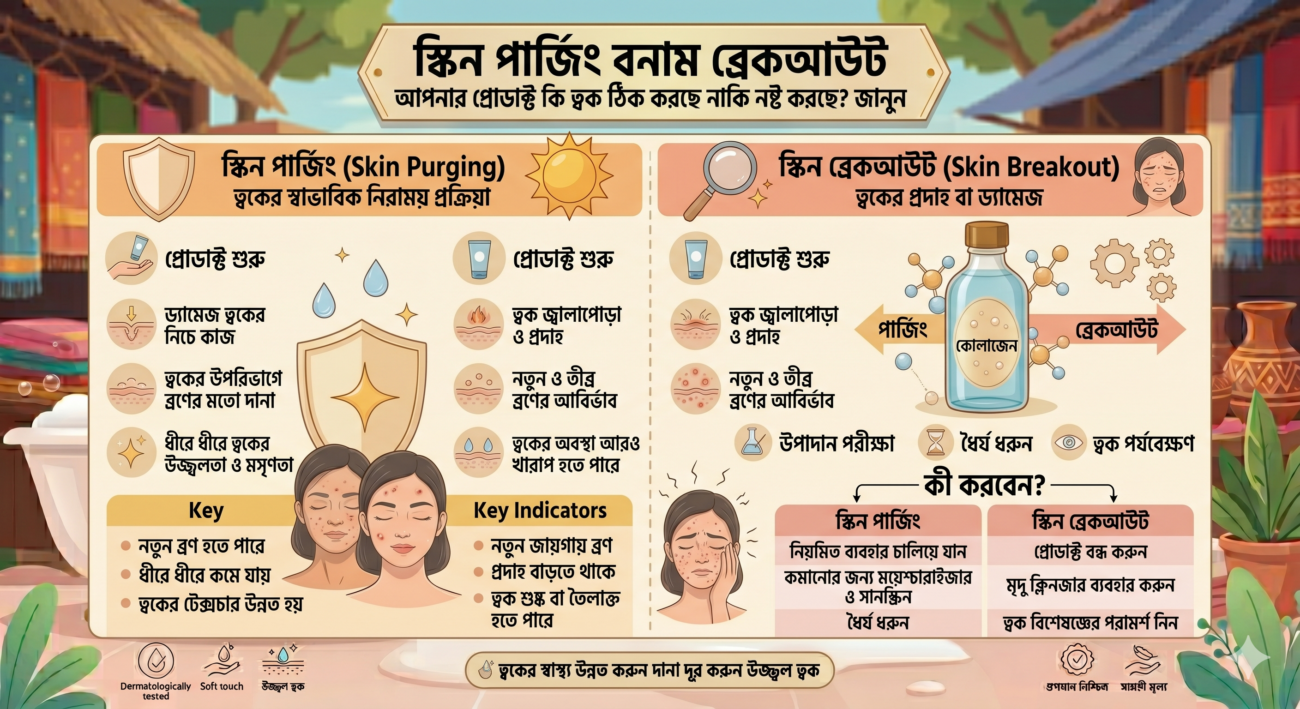
নতুন স্কিনকেয়ার প্রোডাক্ট শুরু করার পর ব্রণ বেড়ে গেছে? এখন ছেড়ে দেবেন নাকি চালিয়ে যাবেন?...
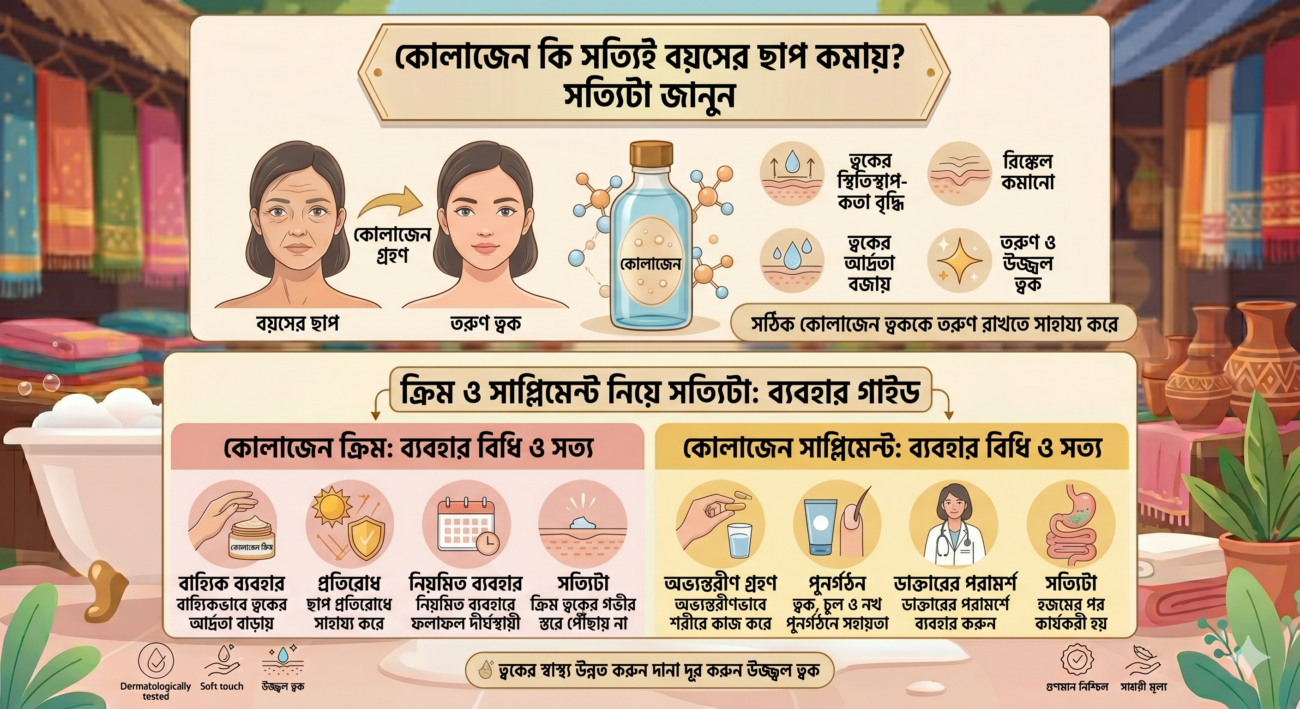
কোলাজেন — অ্যান্টি-এজিং মার্কেটে এই শব্দটা সবচেয়ে বেশি ব্যবহৃত হয়। কোলাজেন ক্রিম, কোলাজেন সাপ্লিমেন্ট, কোলাজেন...
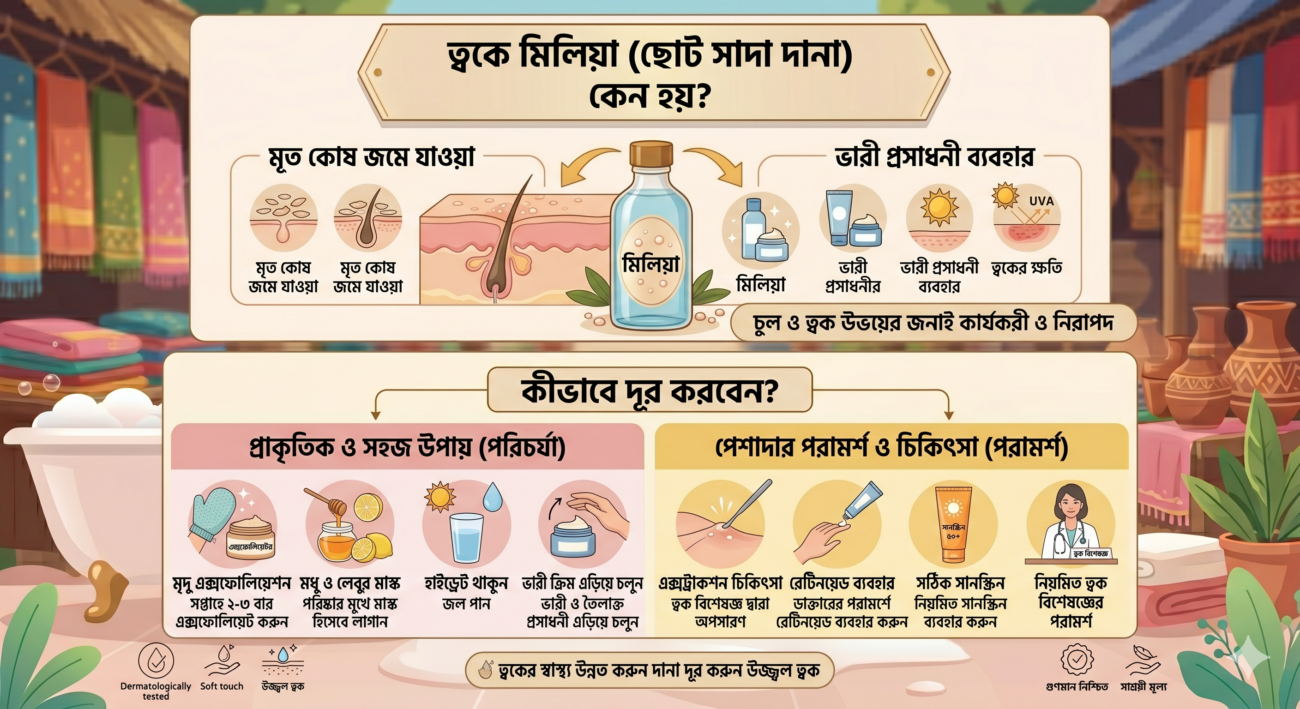
চোখের চারপাশে বা গালে ছোট ছোট শক্ত সাদা দানা দেখা দিচ্ছে? এগুলো হয়তো মিলিয়া। ব্রণের...



 Serums and Treatments
 Moisturizer
 Cleanser
 Face Mask
 Acne Treatment Products
 Sun Protection
 Skin Care Sets & Kits
 Eye Care Products
 Lip Care Products
 Toners & Exfoliators
 Active Ingredient Products
 Body Butter
 Men’s Face Wash
 Moisturizer for Men
 Men’s Hair Care Products
 Brightening Skincare Products
 Acne Skincare Products
 Pore Minimizing Products
 Anti-Aging Skincare Products
 Pigmentation Treatment Products
 Dehydration Skincare Products
 Blackheads & Whiteheads Treatment Products
 Bumpy Skin Treatment Products
 Blemish & Spot Treatment Products
 Dark Circles Treatment Products
 Sensitive Skin Care Products
