
Table of Contents
Acne and excess oiliness are the most common skin concerns among Bangladeshi men — affecting an estimated 70–80% of males aged 15–35 and continuing as a significant concern for many into their 40s due to persistently elevated androgen levels. Men’s skin produces more sebum than women’s, has larger pore openings, and higher androgen receptor activity — creating conditions for more severe and more frequent acne than comparable female skin. Yet most acne content and product formulations are targeted toward female consumers, leaving many Bangladeshi men applying products that are not calibrated to their skin’s sebum levels or the specific way male acne develops and responds.
Shop men’s skin care , acne treatments , and exfoliating toners from the top beauty brand Bangladesh .
Why Do Men Get More Oily Skin and Acne Than Women?
Androgens — primarily testosterone and its active derivative DHT — directly stimulate sebaceous gland size and sebum secretion rate. Men’s significantly higher androgen levels compared to women mean: (1) 2x higher sebum production rate; (2) larger sebaceous gland size, creating visibly larger pores; (3) higher likelihood that excess sebum and dead cells create the comedone blockages that develop into acne. The higher androgen activity also explains why men’s acne tends to be more comedonal (blackheads and whiteheads from excess sebum) and why it involves larger, more inflamed lesions than typical female acne. Post-acne hyperpigmentation in men is generally less severe than in women due to lower melanin transfer sensitivity — a relative advantage in terms of dark mark recovery.
What Are the Most Effective Acne Treatments for Men?
Which cleanser is best for men with acne?
A BHA (salicylic acid 0.5–2%) gel or foam cleanser used twice daily is the most effective cleanser choice for men with acne — it delivers daily pore exfoliation and sebum dissolution in the shortest routine step. For severe acne: benzoyl peroxide (2.5–5%) cleanser used once daily provides bacterial kill in addition to exfoliation. Leave the cleanser on skin for 60–90 seconds before rinsing — increasing contact time significantly improves active delivery compared to a brief wash-and-rinse. For the beard area: salicylic acid cleanser prevents beard follicle congestion that contributes to chin and jaw acne in men with facial hair.
What serum is most effective for men’s acne and oiliness?
Niacinamide 10%: The single most practical men’s acne serum — reduces sebum production by up to 30% over 8 weeks, reduces PIH from post-acne marks, calms inflammatory redness, and improves barrier function without any irritation, photosensitivity, or purging. Apply every morning and evening after cleansing. BHA leave-on toner (salicylic acid 2%): Apply after cleansing every evening — penetrates pores and dissolves sebum plugs, reducing blackheads and preventing new comedones. Most effective acne prevention step in a men’s routine. Benzoyl peroxide 2.5% spot treatment: Apply directly on active inflammatory pimples at night — kills C. acnes bacteria, reducing healing time from 7–10 days to 3–5 days per spot.
How to Treat the Most Common Men’s Acne Patterns?
Forehead and nose acne (T-zone oiliness)
T-zone acne in men is primarily sebum-driven — the highest androgen receptor density in male facial skin. Daily BHA toner across the T-zone is the most targeted intervention. Niacinamide serum reduces sebum supply to these zones. Oil-free gel moisturiser prevents the over-drying cycle that paradoxically increases sebum production when the skin is stripped. SPF choice matters: avoid heavy cream SPF formulas on the T-zone — use lightweight fluid or gel SPF 50 that does not add occlusion.
Jawline and chin acne in men with beards
Beard hair follicles trap sebum and create a semi-occluded microenvironment along the jaw and chin — increasing bacterial and comedone-related acne in these areas. BHA toner applied to the beard area after cleansing (and after shaving on shave days) prevents follicle congestion. Niacinamide serum applied under the beard area reduces sebum driving the congestion. Wash beard hair itself thoroughly — sebum-coated beard hair re-deposits onto facial skin throughout the day.
Back and chest acne (bacne) in men
Back acne is more common in men than women due to higher sebum production on the back, sweat from physical activity, and the occlusion of clothing and backpacks. Management: 2% salicylic acid body wash daily on the back and chest; benzoyl peroxide body spray (2.5–5%) on active back acne lesions after showering; shower within 30 minutes of exercise; wear breathable 100% cotton shirts; change and wash workout clothing after every use.
Frequently Asked Questions About Men’s Acne in Bangladesh
Why do men get acne on the back more than women?
Higher sebum production from androgen activity, more frequent physical activity generating sweat-occlusion conditions, and the habit of wearing backpacks (which creates a warm, occluded environment against the back) all contribute to higher bacne prevalence in men.
Is prescription acne treatment necessary for men?
For moderate-to-severe acne (multiple inflammatory nodules, scarring), prescription treatment is significantly more effective than OTC products alone. A dermatologist may prescribe topical tretinoin, clindamycin, or oral antibiotics for moderate acne, and oral isotretinoin for severe resistant cases. Consult a dermatologist if OTC treatment shows no improvement after 12 consistent weeks.
Does shaving help or worsen acne?
Shaving over active acne lesions can spread bacteria and cause post-shave irritation that worsens inflammation. Best practice: use a single-blade razor, shave in the direction of hair growth, rinse blade after each stroke, and apply BHA toner after shaving to prevent follicle congestion.
Can diet affect men’s acne in Bangladesh?
High-glycaemic diets (white rice, processed foods, sugar) elevate insulin and IGF-1, which increase androgen activity and sebum production. Dairy products may also contribute. For men with persistent acne, reducing high-GI foods and dairy for 4–6 weeks while maintaining the skincare routine provides measurable improvement in many cases.
Do men need an SPF if they have acne?
Yes — SPF is essential for acne-prone men. UV exposure worsens post-acne hyperpigmentation (PIH) and dark marks significantly. A non-comedogenic, oil-free fluid SPF 50 does not cause acne and prevents the UV-driven darkening of existing marks. Choose Korean or Japanese fluid SPF formulas that feel lightweight and do not clog pores.

You May Also Like
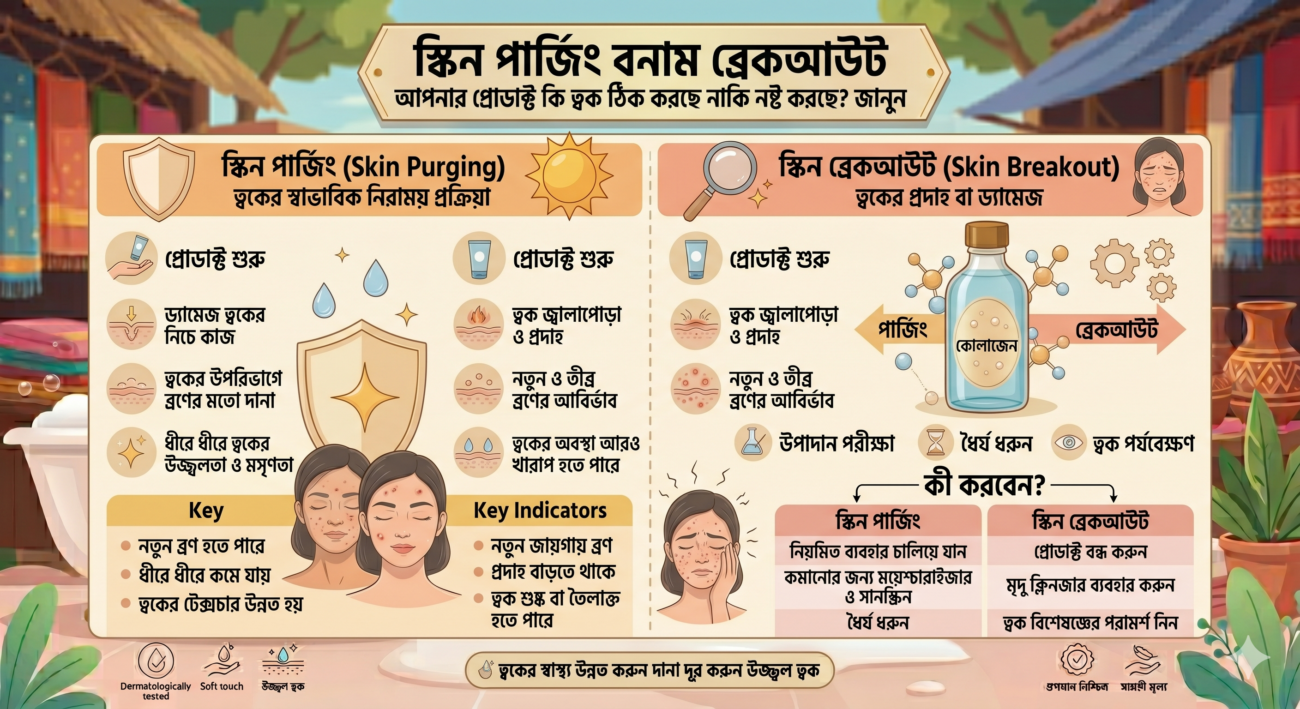
নতুন স্কিনকেয়ার প্রোডাক্ট শুরু করার পর ব্রণ বেড়ে গেছে? এখন ছেড়ে দেবেন নাকি চালিয়ে যাবেন?...
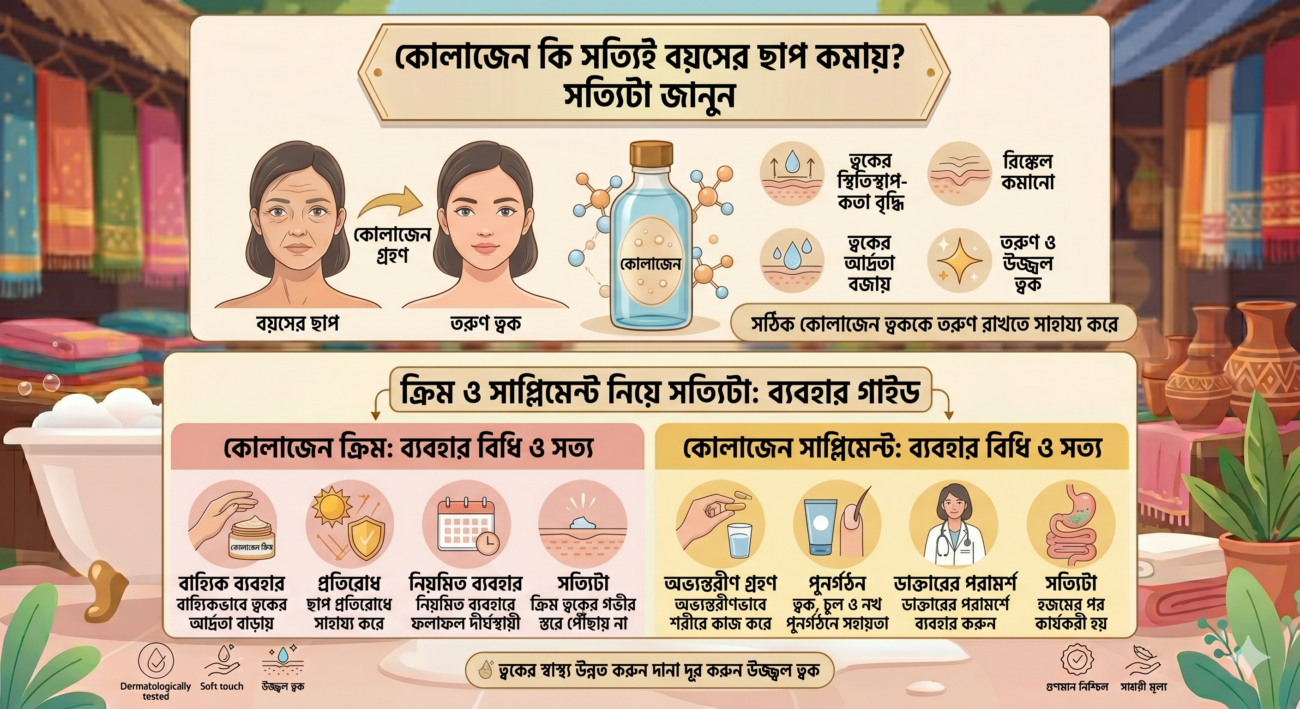
কোলাজেন — অ্যান্টি-এজিং মার্কেটে এই শব্দটা সবচেয়ে বেশি ব্যবহৃত হয়। কোলাজেন ক্রিম, কোলাজেন সাপ্লিমেন্ট, কোলাজেন...
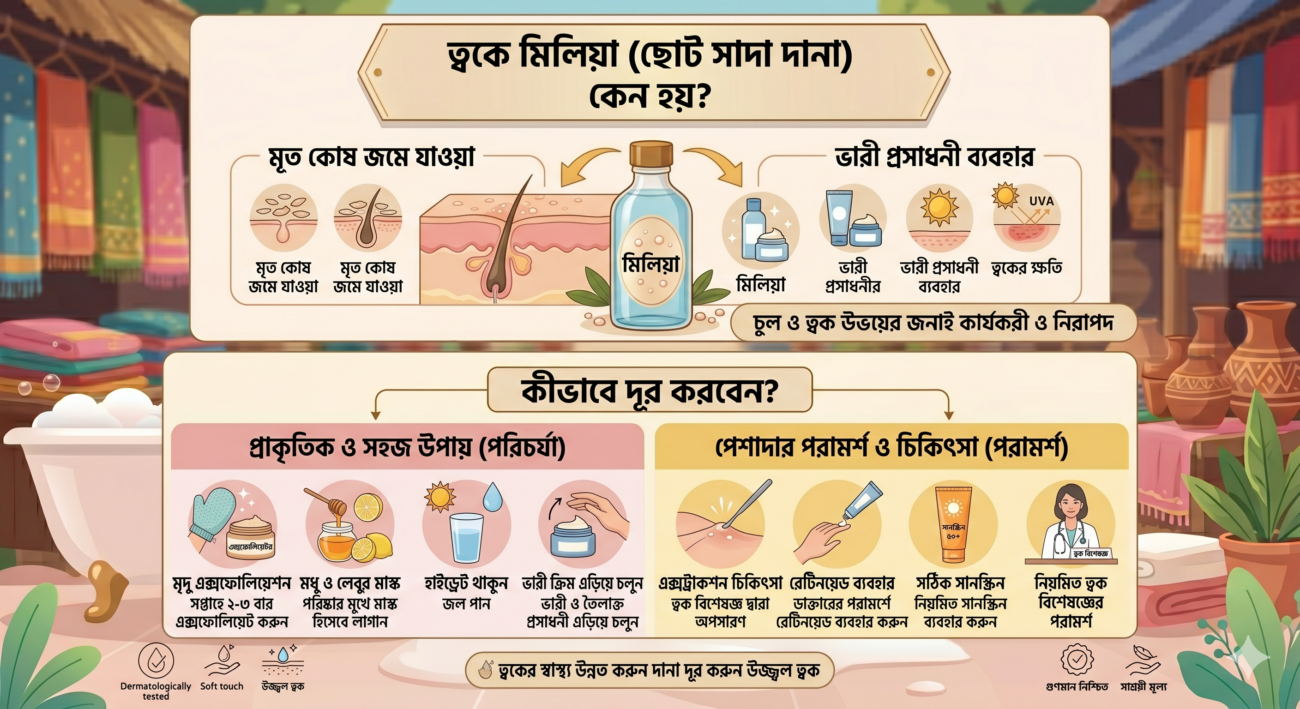
চোখের চারপাশে বা গালে ছোট ছোট শক্ত সাদা দানা দেখা দিচ্ছে? এগুলো হয়তো মিলিয়া। ব্রণের...



 Serums and Treatments
 Moisturizer
 Cleanser
 Face Mask
 Acne Treatment Products
 Sun Protection
 Skin Care Sets & Kits
 Eye Care Products
 Lip Care Products
 Toners & Exfoliators
 Active Ingredient Products
 Body Butter
 Men’s Face Wash
 Moisturizer for Men
 Men’s Hair Care Products
 Brightening Skincare Products
 Acne Skincare Products
 Pore Minimizing Products
 Anti-Aging Skincare Products
 Pigmentation Treatment Products
 Dehydration Skincare Products
 Blackheads & Whiteheads Treatment Products
 Bumpy Skin Treatment Products
 Blemish & Spot Treatment Products
 Dark Circles Treatment Products
 Sensitive Skin Care Products
