
Table of Contents
Fermented skincare is the cornerstone of Korean beauty — the use of fermented botanical and microbial extracts (bifida ferment lysate, galactomyces ferment filtrate, saccharomyces ferment filtrate, sake extract) to deliver smaller, more bioavailable active molecules with enhanced skin benefits. Fermentation transforms raw ingredients through microbial action: breaking down larger molecules into smaller active compounds that penetrate skin more efficiently, generating new bioactives not present in the original material, and reducing potentially irritating components. The result — clearer, brighter, more resilient skin — is documented in clinical studies and visible in consistent K-Beauty users worldwide, making fermented ingredients among the most evidence-supported categories in skincare.
Shop K-beauty essences , treatment serums , and fermented K-beauty skincare at the GlowBD beauty store .
What Does Fermentation Do to Skincare Ingredients?
Fermentation in skincare uses bacteria, yeast, or other microorganisms to break down botanical ingredients — rice, sake, soybean, mushroom, honey — into smaller, more potent compounds. Four key transformations occur: (1) molecular size reduction — fermented molecules penetrate skin significantly more efficiently than their precursor molecules; (2) bioavailability increase — simpler fermented forms are more readily utilised by skin cell receptors; (3) generation of new bioactives — fermentation produces amino acids, organic acids, vitamins, and antioxidants not present in the original ingredient; (4) allergenicity reduction — microbial breakdown removes or reduces allergenic proteins in botanical extracts, making fermented ingredients gentler than raw equivalents.
The Key Fermented Ingredients in K-Beauty
Galactomyces ferment filtrate (GFF)
Galactomyces ferment filtrate — derived from the yeast Galactomyces candidum — is the base of SK-II’s Pitera and the ingredient that inspired modern fermented K-Beauty. It contains a complex of amino acids, minerals, vitamins (B1, B2, B6, C, E), and organic acids produced during yeast fermentation. Clinical studies with GFF at 90%+ concentration show significant improvements in skin texture, brightness, and pore appearance within 4–8 weeks. GFF is the most clinically studied and validated fermented skincare ingredient available.
Bifida ferment lysate
Bifida ferment lysate is derived from Bifidobacterium — the dominant bacteria in the skin microbiome of healthy young skin. Topical application reinforces the skin microbiome, strengthens the barrier, and reduces signs of UV damage and premature aging. Studies show it reduces UV-induced immunosuppression and oxidative damage while improving barrier function. It is a key ingredient in Estée Lauder’s Advanced Night Repair and numerous K-Beauty serums, with strong clinical backing for barrier repair and anti-aging applications.
Sake extract (fermented rice)
Sake extract contains kojic acid (a tyrosinase inhibitor produced during rice fermentation), ferulic acid (potent antioxidant), inositol (improves skin elasticity), and amino acids. It has documented brightening, antioxidant, and texture-improving properties. Multiple clinical studies validate its ability to improve skin radiance and uniformity within 4–6 weeks. Sake extract is a signature ingredient in Japanese and Korean skincare for glass-skin texture and even skin tone.
What Skin Benefits Does Fermented Skincare Deliver?
Brightening: Organic acids and melanin-inhibiting compounds (kojic acid, lactic acid from fermentation) reduce hyperpigmentation and improve skin tone. Barrier strengthening: Bifida ferment and fermented ceramide precursors reinforce the skin microbiome and lipid barrier. Anti-aging: GFF and fermented peptides stimulate collagen synthesis and inhibit MMP activity (collagen-degrading enzymes). Texture refinement: Fermented organic acids provide gentle exfoliation and cell turnover acceleration for smoother surface texture. Reduced sensitivity: Microbiome-supporting ferments reduce skin reactivity and inflammatory responses over consistent use.
How to Incorporate Fermented Skincare Into Your Routine?
Beginner step: Add a galactomyces or bifida ferment essence after toner — the lowest-commitment, highest-impact fermented K-Beauty entry point. 2–3 drops patted in after cleansing and toning, morning and evening. Intermediate system: Fermented toner (sake or rice ferment) + bifida serum + fermented sleeping mask — addressing barrier, brightening, and overnight repair simultaneously. Full fermented K-Beauty routine: Fermented cleanser → fermented toner → GFF essence → bifida serum → fermented moisturiser → sleeping mask. This is the distilled core of the original 10-step K-Beauty routine — efficient and evidence-based.
Is Fermented Skincare Safe for All Skin Types?
Fermented skincare suits virtually all skin types including sensitive, reactive, and acne-prone skin — the fermentation process reduces allergenicity of botanical extracts, making fermented versions gentler than their raw counterparts. One exception: individuals with Malassezia overgrowth conditions (seborrhoeic dermatitis, fungal acne) should approach yeast-derived ferments (GFF, saccharomyces) with caution, as they may potentially exacerbate Malassezia growth. Bifida ferment lysate (bacterial, not yeast) is the safer fermented ingredient for fungal-acne-prone skin.
Frequently Asked Questions About Fermented Skincare
Does fermented skincare have an unusual smell?
Some fermented products have a slightly yeasty or tangy fermented odour — particularly unscented galactomyces essences. This is natural and indicates authentic ferment content. Heavily perfumed fermented products may be masking lower ferment concentrations.
How long does fermented skincare take to work?
Skin clarity and texture improvements are typically visible within 4–6 weeks of consistent twice-daily use. Significant brightening and barrier benefits are measurable at 8–12 weeks.
Is fermented skincare the same as probiotic skincare?
Related but distinct. Fermented skincare uses the products of fermentation (lysates, filtrates, extracts). Probiotic skincare adds live or inactivated bacteria directly. Both support the skin microbiome but through different mechanisms.
Can I use fermented skincare if I have fungal acne?
Use yeast-derived ferments with caution. Monitor for worsening. Bifida ferment lysate (bacterial origin, not yeast) is generally the safer fermented option for Malassezia-sensitive skin.
What is the best fermented K-beauty product for beginners in Bangladesh?
A galactomyces or bifida ferment essence is the best starting point. COSRX Galactomyces 95 Tone Balancing Essence and Missha Time Revolution First Treatment Essence are widely available at GlowBD at BDT 700–1,500 and fit into any existing routine step after cleansing.

You May Also Like
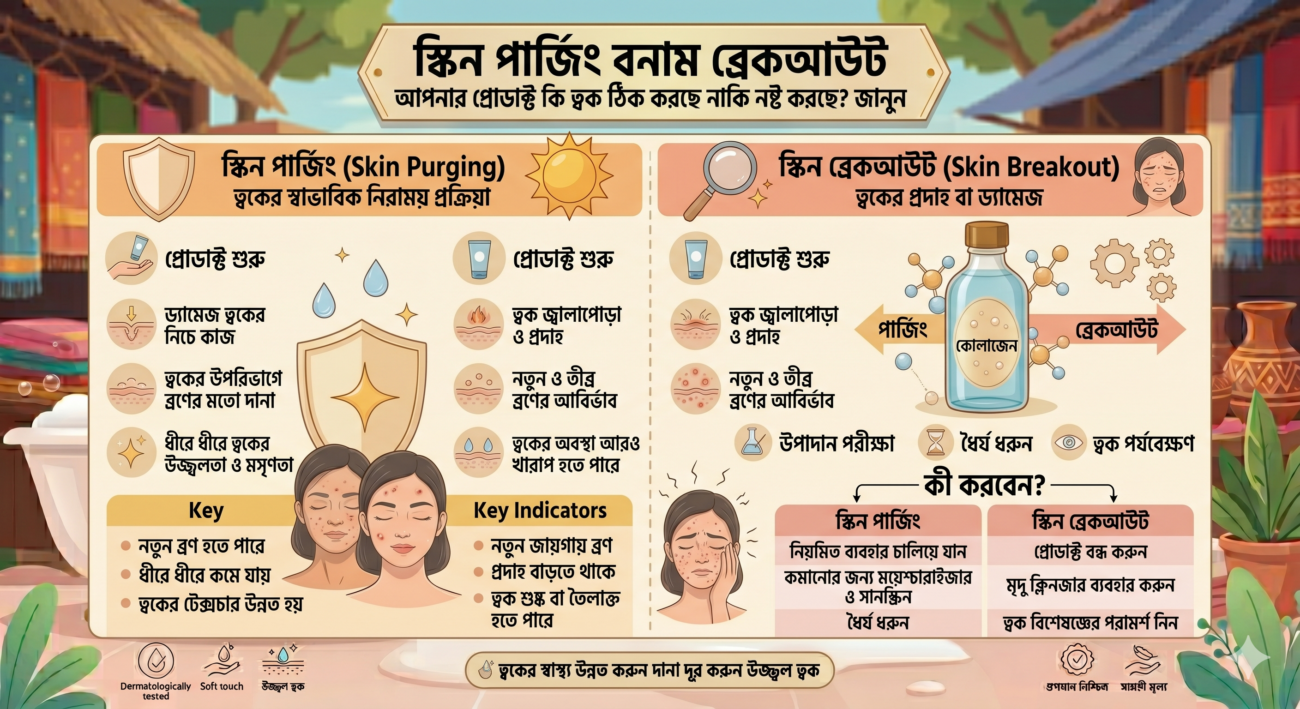
নতুন স্কিনকেয়ার প্রোডাক্ট শুরু করার পর ব্রণ বেড়ে গেছে? এখন ছেড়ে দেবেন নাকি চালিয়ে যাবেন?...
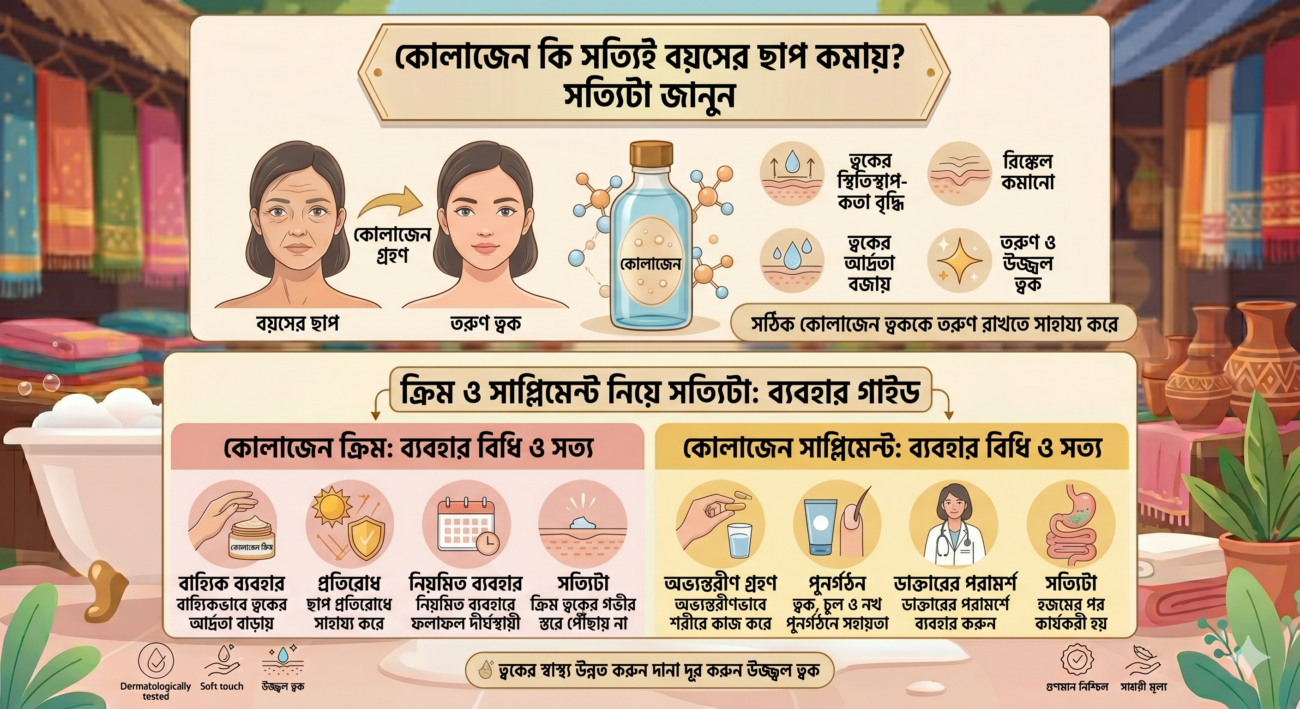
কোলাজেন — অ্যান্টি-এজিং মার্কেটে এই শব্দটা সবচেয়ে বেশি ব্যবহৃত হয়। কোলাজেন ক্রিম, কোলাজেন সাপ্লিমেন্ট, কোলাজেন...
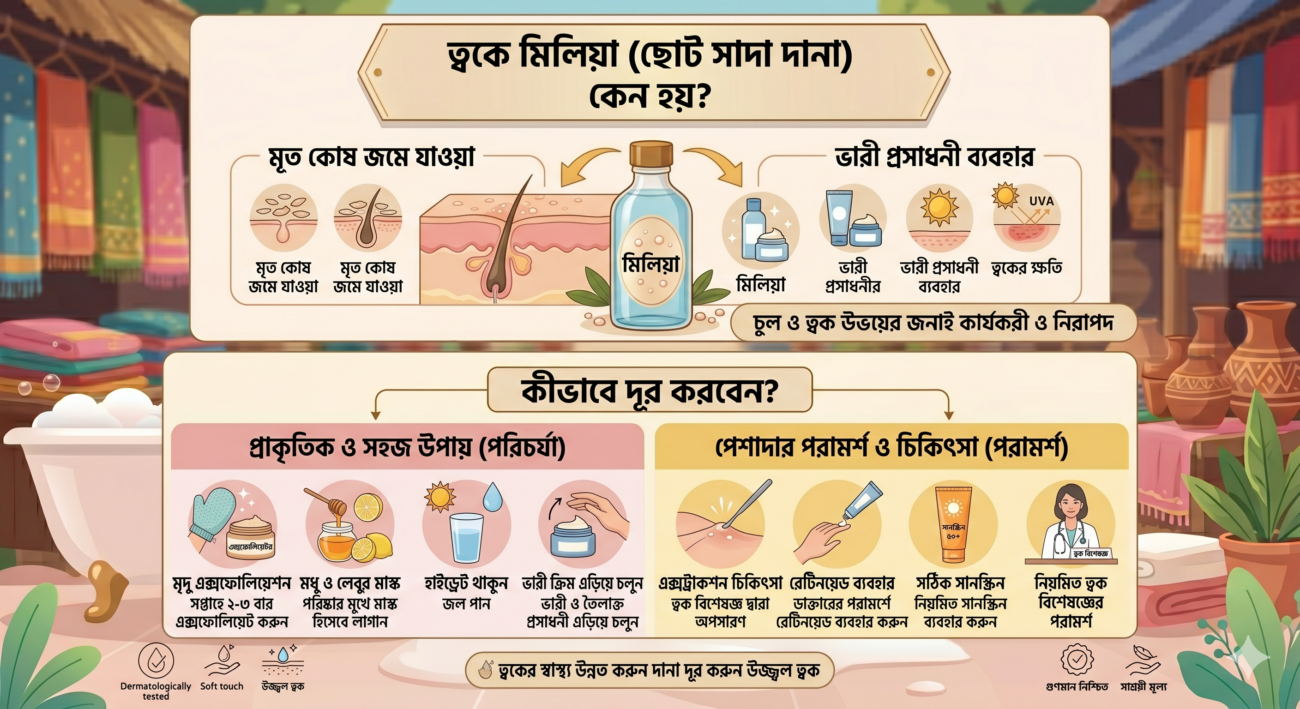
চোখের চারপাশে বা গালে ছোট ছোট শক্ত সাদা দানা দেখা দিচ্ছে? এগুলো হয়তো মিলিয়া। ব্রণের...



 Serums and Treatments
 Moisturizer
 Cleanser
 Face Mask
 Acne Treatment Products
 Sun Protection
 Skin Care Sets & Kits
 Eye Care Products
 Lip Care Products
 Toners & Exfoliators
 Active Ingredient Products
 Body Butter
 Men’s Face Wash
 Moisturizer for Men
 Men’s Hair Care Products
 Brightening Skincare Products
 Acne Skincare Products
 Pore Minimizing Products
 Anti-Aging Skincare Products
 Pigmentation Treatment Products
 Dehydration Skincare Products
 Blackheads & Whiteheads Treatment Products
 Bumpy Skin Treatment Products
 Blemish & Spot Treatment Products
 Dark Circles Treatment Products
 Sensitive Skin Care Products
