
Table of Contents
Hair damage occurs in 3 progressive stages: Stage 1 (cuticle damage—rough texture, dullness, mild frizz), Stage 2 (cortex exposure—increased breakage, split ends, loss of elasticity), and Stage 3 (severe structural damage—gummy texture when wet, snapping with minimal force, inability to hold moisture).
Stages 1 and 2 respond to topical repair treatments. Stage 3 damage is irreversible and requires cutting the damaged sections.
What Causes Hair Damage in Bangladesh?
5 primary causes damage Bangladeshi hair: (1) heat styling without protection (flat irons at 180–230°C denature keratin bonds), (2) chemical treatments (relaxers, permanent color, bleaching break disulfide bonds), (3) hard water mineral deposits (calcium and magnesium rough up the cuticle), (4) UV exposure (Bangladesh’s UV Index 6–11 degrades melanin and protein in the hair cortex), and (5) aggressive physical handling (rough towel drying, tight hairstyles, over-brushing wet hair).
What 4-Step Protocol Repairs Damaged Hair?
Step 1: How Does Protein Treatment Rebuild Hair Structure?
Protein treatments (hydrolyzed keratin, silk amino acids, wheat protein) fill gaps in the damaged cuticle and cortex, temporarily restoring structural integrity, reducing breakage, and improving tensile strength by 20–35%.
Apply protein treatment or mask once weekly for 15–20 minutes. Over-proteining causes brittleness—alternate with moisture treatments on a 1:1 ratio.
Step 2: How Do Moisture Masks Restore Elasticity?
Moisture masks (shea butter, avocado oil, hyaluronic acid, aloe vera) replenish the water and lipid content lost through cuticle damage, restoring the flexibility and elasticity that prevents breakage during styling.
Apply moisture mask from mid-length to ends for 20–30 minutes under a warm towel or shower cap (heat opens the cuticle for deeper penetration).
Step 3: How Do Leave-In Treatments Provide Ongoing Protection?
Leave-in conditioners and hair creams coat damaged hair with a protective film that reduces friction, prevents further cuticle erosion, and provides continuous moisture between wash days.
Apply a coin-sized amount to damp hair after washing. Leave-in treatments are essential for damaged hair—rinse-out conditioner alone provides insufficient protection between washes.
Step 4: When Should Damaged Ends Be Trimmed?
Trim 1–2 cm of damaged ends every 6–8 weeks during the repair process.
Split ends cannot be repaired by any product—they only travel further up the shaft if not removed. Regular trims during repair treatment prevent split-end propagation while allowing the treated mid-lengths to recover strength and moisture balance.
Frequently Asked Questions
Q: Can damaged hair be fully repaired?
A: Cuticle-level damage (Stage 1) can be significantly improved with protein treatments, bond-repair products, and proper care. Cortex-level damage (Stage 2) can be managed to reduce breakage and improve appearance but the hair is never restored to pre-damage strength. Severely damaged hair (Stage 3) must be cut—no product can rebuild completely destroyed keratin bonds.
Q: How long does hair repair take?
A: Visible improvement in texture and frizz begins within 2—4 weeks of consistent repair treatment. Measurable reduction in breakage takes 4–8 weeks. Full recovery of healthy-looking mid-lengths and ends requires 3–6 months of weekly treatments combined with regular trims and damage-prevention practices.

You May Also Like
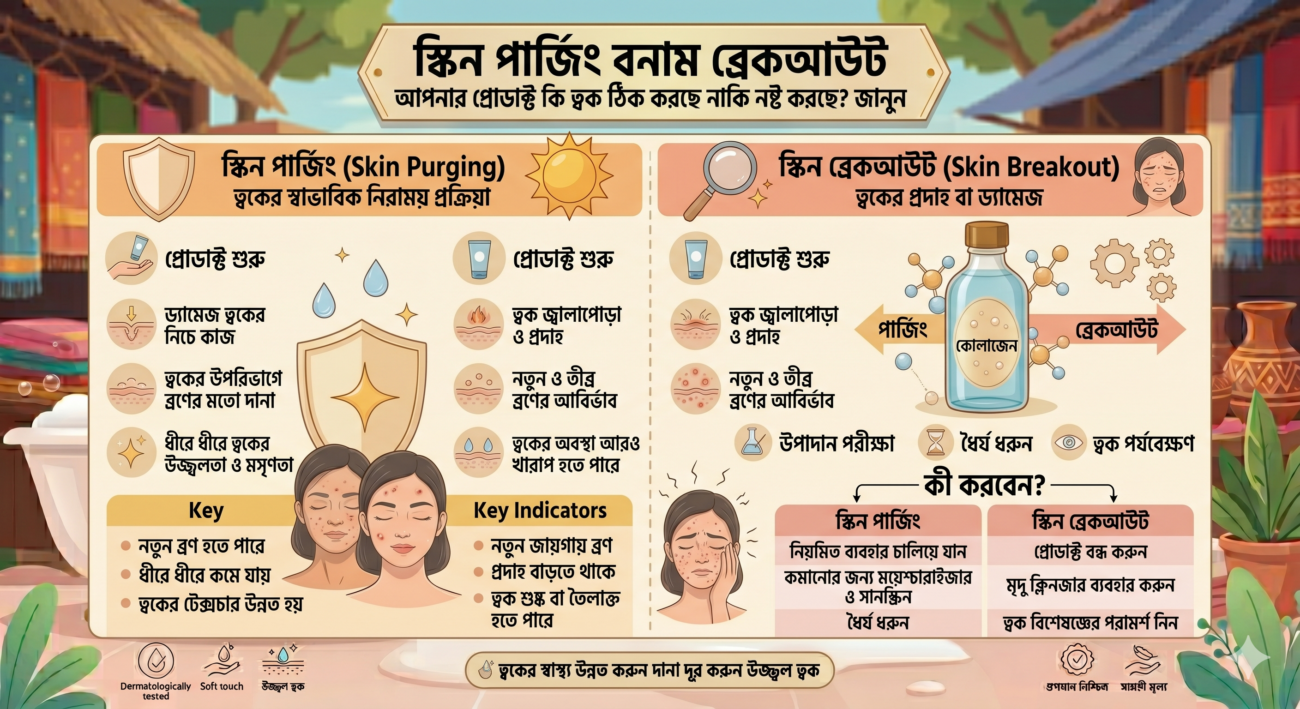
নতুন স্কিনকেয়ার প্রোডাক্ট শুরু করার পর ব্রণ বেড়ে গেছে? এখন ছেড়ে দেবেন নাকি চালিয়ে যাবেন?...
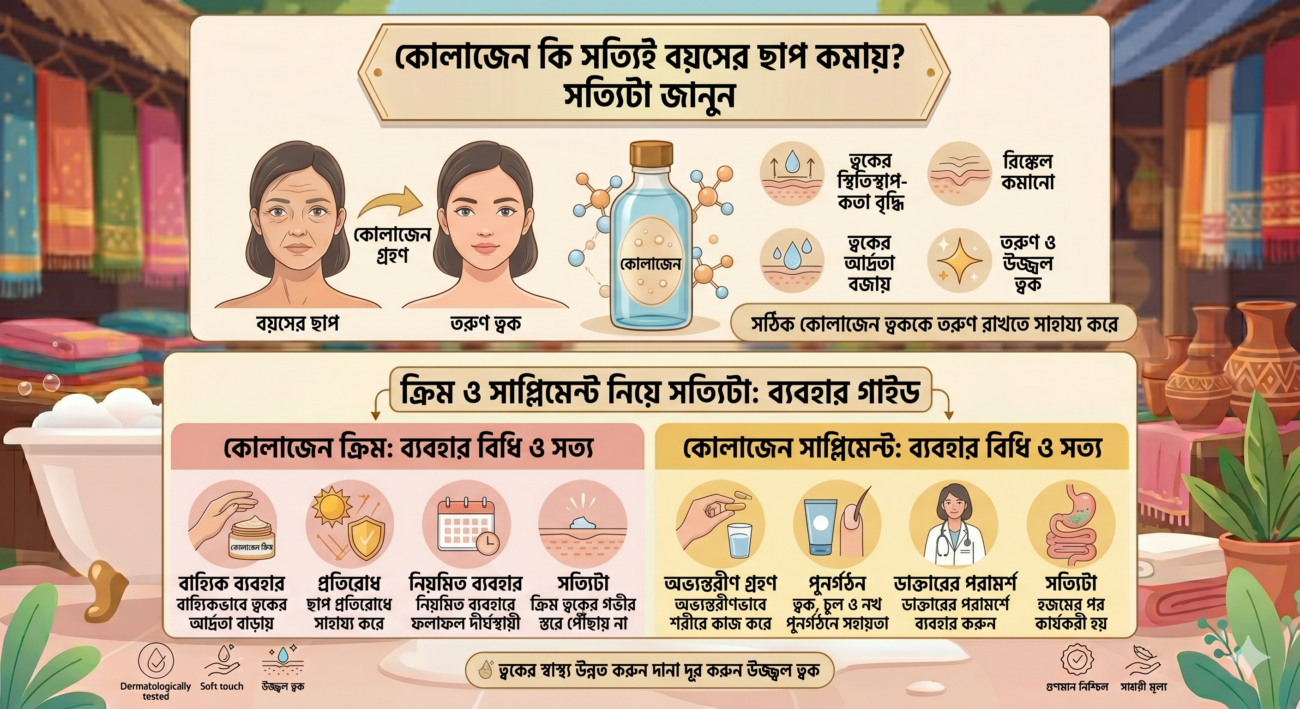
কোলাজেন — অ্যান্টি-এজিং মার্কেটে এই শব্দটা সবচেয়ে বেশি ব্যবহৃত হয়। কোলাজেন ক্রিম, কোলাজেন সাপ্লিমেন্ট, কোলাজেন...
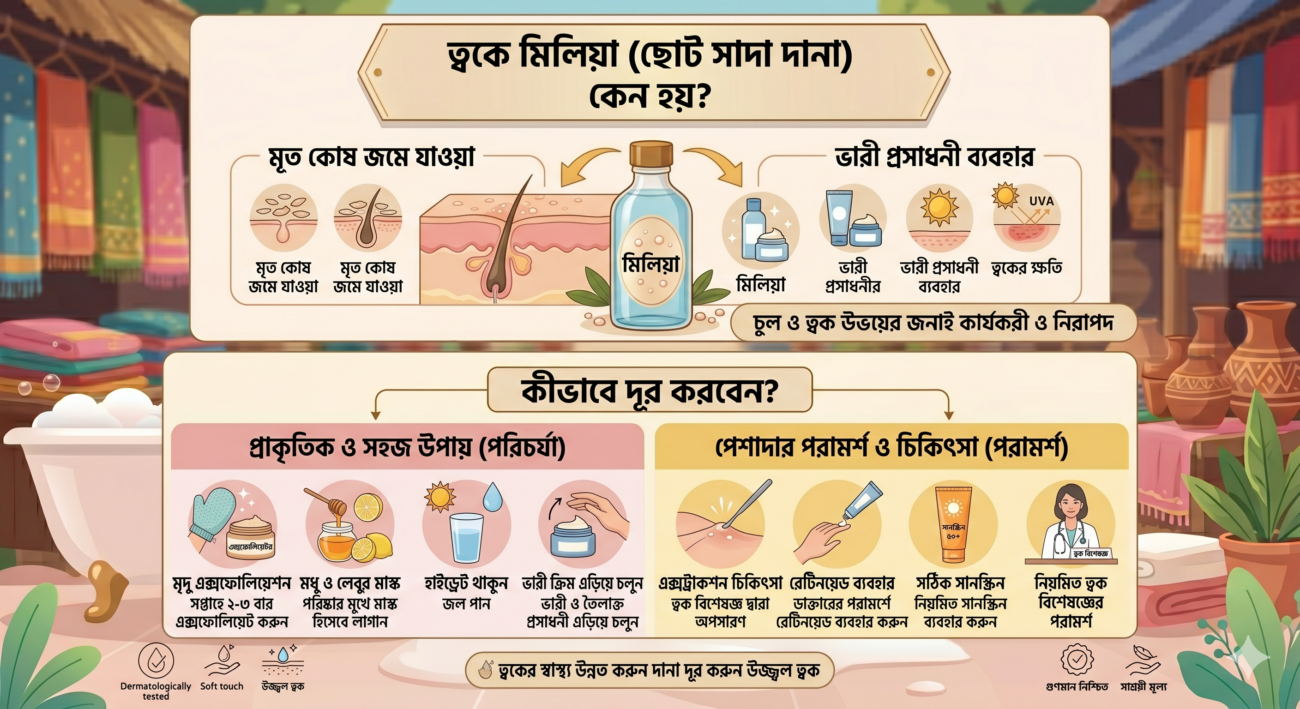
চোখের চারপাশে বা গালে ছোট ছোট শক্ত সাদা দানা দেখা দিচ্ছে? এগুলো হয়তো মিলিয়া। ব্রণের...



 Serums and Treatments
 Moisturizer
 Cleanser
 Face Mask
 Acne Treatment Products
 Sun Protection
 Skin Care Sets & Kits
 Eye Care Products
 Lip Care Products
 Toners & Exfoliators
 Active Ingredient Products
 Body Butter
 Men’s Face Wash
 Moisturizer for Men
 Men’s Hair Care Products
 Brightening Skincare Products
 Acne Skincare Products
 Pore Minimizing Products
 Anti-Aging Skincare Products
 Pigmentation Treatment Products
 Dehydration Skincare Products
 Blackheads & Whiteheads Treatment Products
 Bumpy Skin Treatment Products
 Blemish & Spot Treatment Products
 Dark Circles Treatment Products
 Sensitive Skin Care Products
