
Table of Contents
Dark, hyperpigmented lips are among the most searched cosmetic concerns in Bangladesh — and among the least well-understood. The lip’s unique anatomy makes it particularly susceptible to hyperpigmentation: lip skin is modified mucosa, thinner than standard facial skin, with a transparent stratum corneum that makes underlying melanin deposits highly visible. The absence of sebaceous glands means lips cannot self-moisturise — making them prone to dryness, the micro-cracking that triggers melanin production, and the darkening that follows chronic sun exposure without protection. Multiple reversible causes are highly prevalent in Bangladesh — and targeted treatment produces genuine, visible improvement within 8–16 weeks.
Shop lip care products , lip balms , and brightening treatments at the GlowBD beauty store .
What Causes Dark Lips in Bangladesh?
Sun exposure — the primary cause
Lip skin contains melanocytes (melanin-producing cells) that respond to UV radiation exactly as facial skin does — but lips almost never receive SPF protection in standard skincare routines. In Bangladesh’s UV Index 10–12 environment, cumulative sun exposure on unprotected lips produces significant melanin accumulation over months and years, darkening the vermilion border (the lip-skin border) and the body of the lip progressively. This is the most common and most treatable cause of dark lips in Bangladesh — and it begins reversing within 4–6 weeks of consistent SPF lip protection.
Dehydration and chronic lip licking
Chronic lip licking is one of the most common causes of lip hyperpigmentation in Bangladesh. The mechanism: saliva enzymes (amylase, lipase) degrade the thin lip mucosa, causing micro-inflammation that triggers melanin production. Lip licking simultaneously removes the thin natural moisture film from the lip surface, creating the dryness that leads to licking — a self-reinforcing cycle. The resulting hyperpigmentation is typically most concentrated along the lip border where licking is most repetitive.
Other common causes in Bangladesh
Smoking: Nicotine and combustion compounds directly stimulate melanocytes and reduce local blood circulation, creating the characteristic grey-brown hyperpigmentation of smoker’s lips — particularly at the lip corners. Low-quality lipstick and lip products: Lipsticks with lead-based pigments, coal tar dyes, or undisclosed sensitising compounds cause contact dermatitis on the lip mucosa — the subsequent inflammation produces post-inflammatory hyperpigmentation. Low-quality lipsticks sold without dermatological testing are a significant cause of lip darkening in Bangladesh. Iron and vitamin B12 deficiency: Both are extremely common in Bangladesh’s population and cause darkening of the lips and oral mucosa as an early systemic sign. Persistent lip darkening that does not respond to topical treatment warrants blood testing for nutritional deficiencies. Hormonal changes: Melasma (hormonally driven pigmentation) affects the lips as part of its distribution pattern — characteristically on the upper lip border. Certain medications: Antimalarials (chloroquine, hydroxychloroquine), amiodarone, minocycline, and some antifungals cause drug-induced lip hyperpigmentation.
Evidence-Based Treatment for Dark Lips
Step 1: Lip SPF — daily, non-negotiable
A tinted or untinted lip balm with SPF 30–50 applied every morning and reapplied after eating and drinking is the foundational step for any lip brightening protocol. Without UV protection, every brightening treatment is fighting ongoing UV-induced melanin production. Available formats: SPF lip balm (SPF 30–50, apply as the first morning lip step), SPF-containing lip tint (provides colour + UV protection simultaneously). Reapplication challenge: most people forget lip SPF reapplication. A pigmented SPF lip balm that doubles as lip colour encourages reapplication throughout the day.
Step 2: Niacinamide lip treatment
Niacinamide inhibits melanosome transfer from melanocytes to keratinocytes — the same mechanism that fades facial PIH. Applied to the lip surface as part of a niacinamide serum or in a lip-specific treatment, niacinamide reduces the darkness of existing lip pigmentation over 8–12 weeks of daily use. Application: after cleansing in the morning and evening, apply a small amount of niacinamide 10% serum to the lip surface before lip balm. This is a simple, inexpensive addition to the lip routine for anyone already using a niacinamide facial serum.
Step 3: Lip exfoliation
Regular gentle exfoliation of the lip surface removes the uppermost layers of melanin-concentrated dead cells, progressively reducing visible darkness. Methods: (1) Gentle lip scrub — sugar + honey or jojoba bead formulations, applied with a light circular motion 2–3x per week. Do not use facial scrubs on lips — the mucosa is too thin for abrasive physical exfoliants. (2) Glycolic acid lip treatment — a glycolic acid-containing lip mask or serum (1–5% glycolic) applied 2–3 nights per week provides chemical lip exfoliation. (3) Natural method: a soft (not stiff) toothbrush used in very gentle circular motions on dry or balm-moistened lips exfoliates effectively without products.
Step 4: Intensive lip hydration
Lip balm with actives: Castor oil (emollient) + vitamin E + shea butter for sustained moisture and barrier repair. Apply generously at night as the final step. Overnight lip mask: A thick occlusive overnight lip mask (Laneige Lip Sleeping Mask is the most widely praised in Bangladesh) applied before sleep provides intensive 8-hour repair — reducing the dryness and micro-cracking that triggers melanin production. Use every night for the first 4 weeks of a lip brightening protocol, then 3–4 nights per week for maintenance. Vitamin E oil: Pure vitamin E oil (tocopherol) applied to the lips at night reduces oxidative stress-driven melanin production and improves moisture retention. A clinical study of topical vitamin E on lip hyperpigmentation showed measurable lightening at 8 weeks.
Lifestyle Changes That Accelerate Lip Brightening
Stop lip licking: The most impactful single habit change for lip hyperpigmentation caused by chronic licking. Keep a lip balm accessible at all times — the impulse to lick is usually a response to dryness. Improve nutritional status: Test and address iron and vitamin B12 deficiency (common in Bangladesh) if present — these systemic deficiencies cannot be corrected topically. Switch to quality lipsticks: Use only lipsticks tested to be free from lead, coal tar dyes, and sensitising compounds — reputable brands available at GlowBD have undergone dermatological testing. Quit smoking: Smoker’s lips respond to topical treatment only partially — the ongoing nicotine-melanocyte stimulation continues to produce new pigmentation while treatment is fighting existing deposits.
Frequently Asked Questions About Dark Lips
How long does lip brightening take?
Fresh hyperpigmentation from recent causes (recent sun exposure, recently stopped lip licking): 4–8 weeks with full protocol. Established dark lips (years of cumulative pigmentation): 3–6 months. Hormonal melasma on the lips: may require professional treatment (lip chemical peel, tranexamic acid) in addition to topical protocol for full resolution.
Does Vaseline lighten dark lips?
Vaseline (petrolatum) is an excellent lip moisturiser and barrier protector — preventing the dryness and micro-cracking that worsens pigmentation. It does not contain brightening actives and will not directly lighten lips. But in combination with brightening actives (niacinamide serum, vitamin E), Vaseline’s occlusive sealing improves their penetration and efficacy.
Is lemon juice safe for lip lightening?
Lemon juice (pH 2–3) is too acidic and too irritating for direct lip application — it causes micro-irritation, disrupts the lip mucosa, and can trigger post-inflammatory hyperpigmentation. The citric acid content is below the concentration needed for effective exfoliation before the irritation threshold is reached. Use formulated glycolic acid lip treatments instead.
Can men use lip brightening products?
Yes — lip hyperpigmentation affects men and women equally in Bangladesh, and all lip brightening products (SPF lip balm, niacinamide serum, lip scrub, overnight lip mask) are appropriate for all genders. Men in Bangladesh frequently have darker lips from sun exposure and smoking without any lip care routine.
What is the single most important lip brightening step?
SPF lip balm applied daily — because it stops the primary ongoing cause of lip darkening (UV exposure) while all other brightening steps work on existing pigmentation. Without daily lip SPF in Bangladesh’s UV environment, lip brightening treatments produce minimal net improvement against continuous new UV-induced melanin production.

You May Also Like
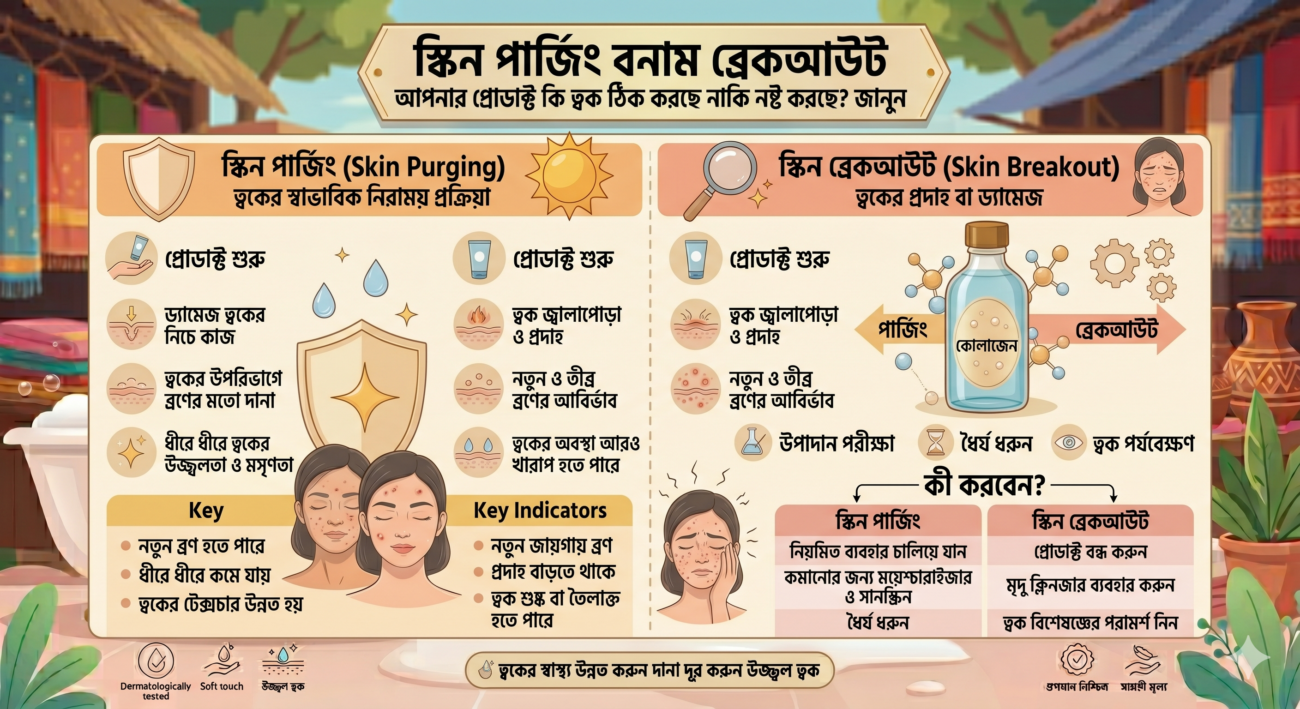
নতুন স্কিনকেয়ার প্রোডাক্ট শুরু করার পর ব্রণ বেড়ে গেছে? এখন ছেড়ে দেবেন নাকি চালিয়ে যাবেন?...
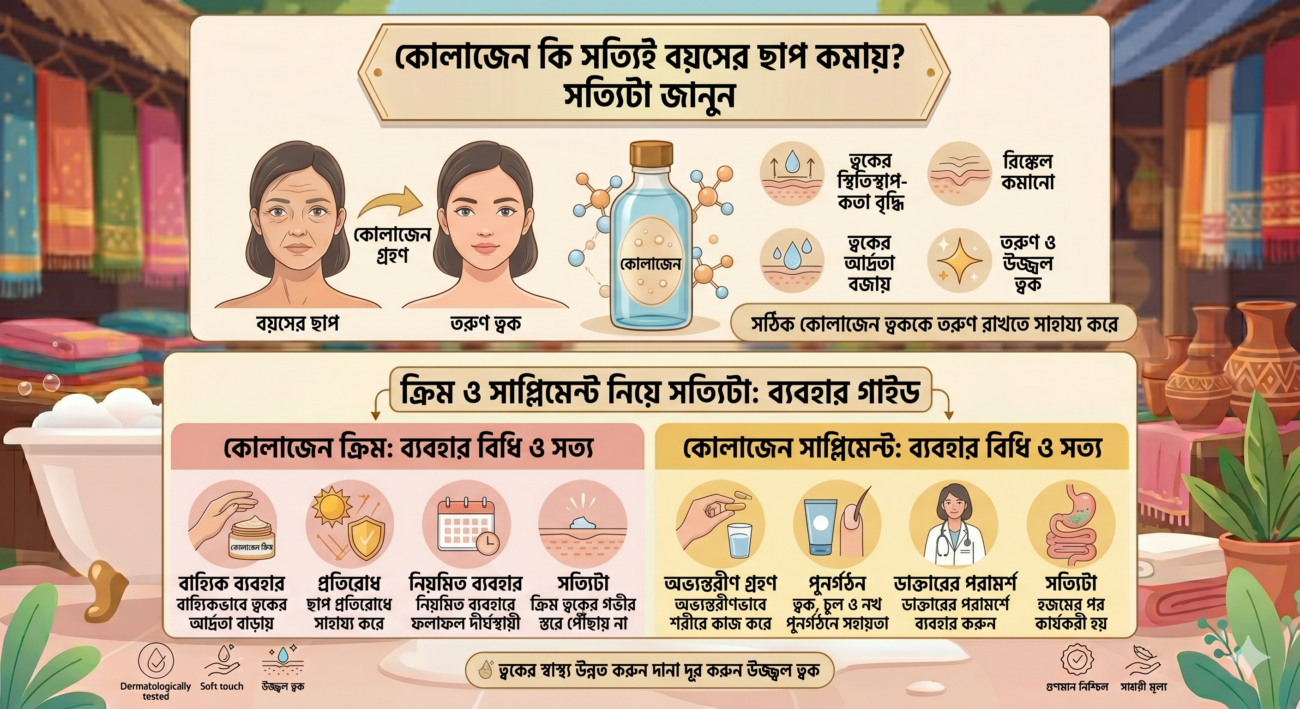
কোলাজেন — অ্যান্টি-এজিং মার্কেটে এই শব্দটা সবচেয়ে বেশি ব্যবহৃত হয়। কোলাজেন ক্রিম, কোলাজেন সাপ্লিমেন্ট, কোলাজেন...
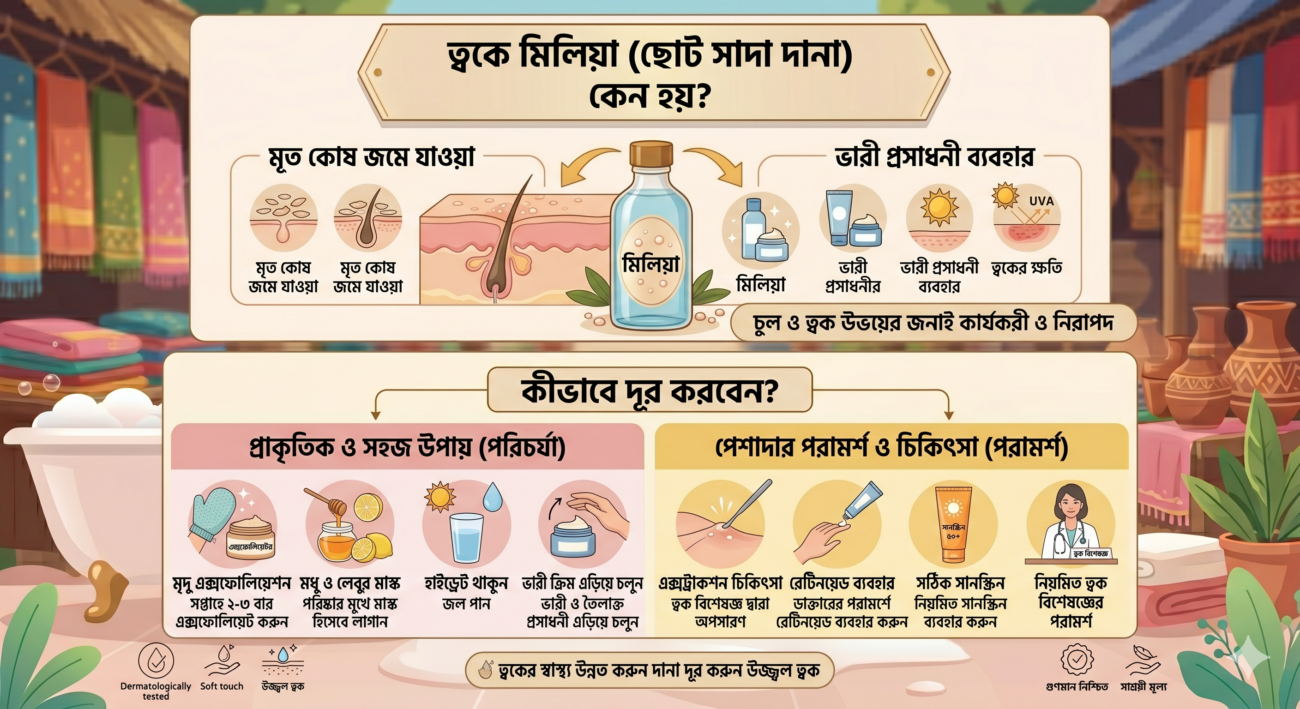
চোখের চারপাশে বা গালে ছোট ছোট শক্ত সাদা দানা দেখা দিচ্ছে? এগুলো হয়তো মিলিয়া। ব্রণের...



 Serums and Treatments
 Moisturizer
 Cleanser
 Face Mask
 Acne Treatment Products
 Sun Protection
 Skin Care Sets & Kits
 Eye Care Products
 Lip Care Products
 Toners & Exfoliators
 Active Ingredient Products
 Body Butter
 Men’s Face Wash
 Moisturizer for Men
 Men’s Hair Care Products
 Brightening Skincare Products
 Acne Skincare Products
 Pore Minimizing Products
 Anti-Aging Skincare Products
 Pigmentation Treatment Products
 Dehydration Skincare Products
 Blackheads & Whiteheads Treatment Products
 Bumpy Skin Treatment Products
 Blemish & Spot Treatment Products
 Dark Circles Treatment Products
 Sensitive Skin Care Products
