
Table of Contents
Bangladesh’s climate is one of the most demanding environments for skincare product stability on earth. Temperatures regularly exceeding 35–40°C from March to September, ambient humidity of 80–95% in monsoon, and intense UV light penetrating poorly insulated storage spaces create conditions that degrade active ingredients rapidly. Vitamin C serums oxidise within weeks at room temperature without climate control. Retinol loses potency faster than the product timeline printed on the box suggests in high-heat storage. SPF formulas separate and lose UV filter distribution when stored in hot bathrooms. Understanding which products need which storage conditions — and why — directly affects how much benefit you receive from each product you buy.
Shop vitamin C serums , retinoids , and treatment serums from beauty and cosmetics BD .
What Destroys Skincare Actives?
Heat: Accelerates oxidation of unstable actives (vitamin C, retinol, benzoyl peroxide), disrupts emulsion stability in creams and lotions, degrades UV filter efficacy in SPF, and melts wax-based balms and cleansing balms. Light (UV and visible): UV radiation breaks down retinol, vitamin C, and many fragrance compounds. Direct sunlight on product packaging — even through a bathroom window — significantly shortens product life. Most professional skincare is sold in opaque or UV-blocking packaging for this reason. Air and oxygen: Oxidation degrades vitamin C (turns yellow to brown), retinol (loses potency), and polyunsaturated face oils (goes rancid). Products in open-mouth jar packaging lose stability faster than those in pump or airless dispensers. Humidity and water contamination: Water introduced into products (wet fingers in jars, steam from showers) introduces bacteria and disrupts preservative systems. Bangladesh’s 80–95% monsoon humidity means even closed products in humid bathrooms experience gradual moisture ingress through packaging seals.
Which Products Must Be Refrigerated in Bangladesh?
Vitamin C serums (L-ascorbic acid)
L-ascorbic acid is the most heat- and air-sensitive common skincare active. At Bangladesh’s summer temperatures (35–40°C), an unrefrigerated LAA serum can lose 50% of its efficacy within 4–6 weeks of opening — faster than most users finish a bottle. Refrigeration (4–8°C) slows oxidation dramatically, extending effective product life to 3–4 months after opening. Visual test: LAA serums should remain clear or very pale yellow. Yellow = mild oxidation (reduced efficacy). Orange-brown = fully oxidised (discard). Derivative vitamin C forms (ethyl ascorbic acid, ascorbyl glucoside) are significantly more stable and less urgently require refrigeration but still benefit from cool storage.
Retinol serums and retinoids
Retinol is photosensitive (degrades in light) and moderately heat-sensitive. Refrigeration extends retinol product life significantly in Bangladesh’s summer. Keep retinol in its original opaque or dark packaging, away from light sources, ideally refrigerated during the hot months (March–September). Retinoids (tretinoin) are prescribed medications that the prescriber will advise on storage — generally room temperature away from light and heat, or refrigerated in very hot climates.
Probiotic and fermented skincare
Products containing live or active bacterial/yeast cultures (bifida ferment, some probiotic serums) benefit from refrigeration to maintain microbial viability. Most commercial fermented K-Beauty products (galactomyces essences, bifida lysate serums) use stabilised ferment extracts rather than live cultures and do not require refrigeration — but cool storage extends stability.
What Should Not Be Refrigerated?
SPF and sunscreens: Do not refrigerate SPF products — cold temperatures can disrupt the emulsion stability of sunscreen formulas, causing ingredient separation and uneven UV filter distribution when the product is applied. Store SPF at room temperature away from direct heat and sunlight. Oil-based products (facial oils, cleansing balms): Cold temperatures cause oils to solidify and balms to harden excessively — this does not harm the product but makes application difficult and can disrupt emulsion texture. Store at room temperature away from direct heat. Thick creams and moisturisers: Refrigeration of thick emulsions can cause phase separation and changes in texture. Most ceramide creams and rich moisturisers are formulated for room-temperature storage. Clay masks and water-based masks: Refrigerating clay masks can feel pleasantly cooling on application but is not necessary for stability. Some gel masks can be stored in the fridge for a soothing effect.
Best Storage Practices for Bangladesh’s Climate
Location: Store skincare in a bedroom or air-conditioned room, not the bathroom. Bathroom humidity and temperature spikes from showers directly degrade product stability — the “bathroom cabinet” is the worst storage location in Bangladesh’s climate. A drawer or cabinet in an air-conditioned bedroom is optimal. Away from windows: UV penetration through glass degrades light-sensitive actives even in opaque rooms. Store vitamin C and retinol in drawers or opaque cabinets. Packaging integrity: Always close pump and bottle caps tightly after use. Replace jar lids immediately. Use a clean spatula rather than fingers in jar products to prevent bacterial contamination. Mini skincare fridge: A small cosmetic refrigerator (available BDT 1,500–3,000) dedicated to vitamin C and retinol serums is a practical investment in Bangladesh’s climate — it pays for itself in extended product life for these high-cost actives.
Frequently Asked Questions About Skincare Storage
Does refrigerating all skincare make it last longer?
For heat-sensitive actives (vitamin C, retinol, probiotics), yes — significantly. For most other products, refrigeration provides minimal benefit and may disrupt texture for oils, balms, and thick creams.
How long do opened skincare products last?
Check the PAO (Period After Opening) symbol — the jar icon with a number followed by “M” (months). Typical: vitamin C serums 1–3 months (refrigerated), retinol 6–12 months, moisturisers 6–12 months, SPF 12 months, sheet masks check individual date. These timelines assume correct storage.
Can you use skincare that smells different than when you bought it?
A changed smell is a reliable indicator of formula degradation — oxidation, rancidity in oils, or preservative breakdown. If a product smells significantly different from when opened, particularly rancid, sour, or “off”, discard it regardless of the PAO date. Storage conditions affect product life more than printed dates.
Should you store SPF in your bag or car?
Avoid car storage — temperatures inside parked cars in Bangladesh’s summer can reach 60–70°C, rapidly degrading SPF formulas. A handbag at ambient temperature is fine for daily SPF reapplication products.
Does keeping skincare in the fridge affect its efficacy?
For properly cold-storable products (vitamin C, retinol), refrigeration extends rather than reduces efficacy. The brief temperature increase when applying cold serum to warm skin does not affect active function. Some users prefer the cooling sensation of cold serums, particularly in summer.

You May Also Like
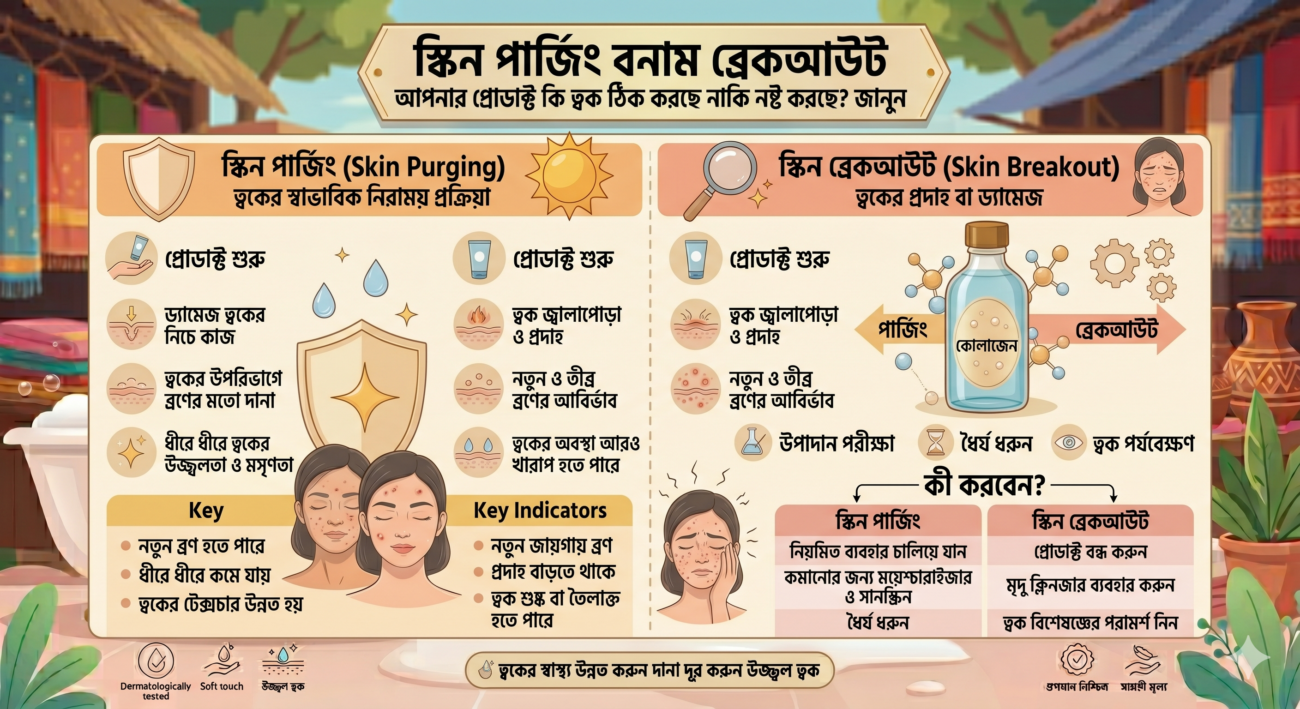
নতুন স্কিনকেয়ার প্রোডাক্ট শুরু করার পর ব্রণ বেড়ে গেছে? এখন ছেড়ে দেবেন নাকি চালিয়ে যাবেন?...
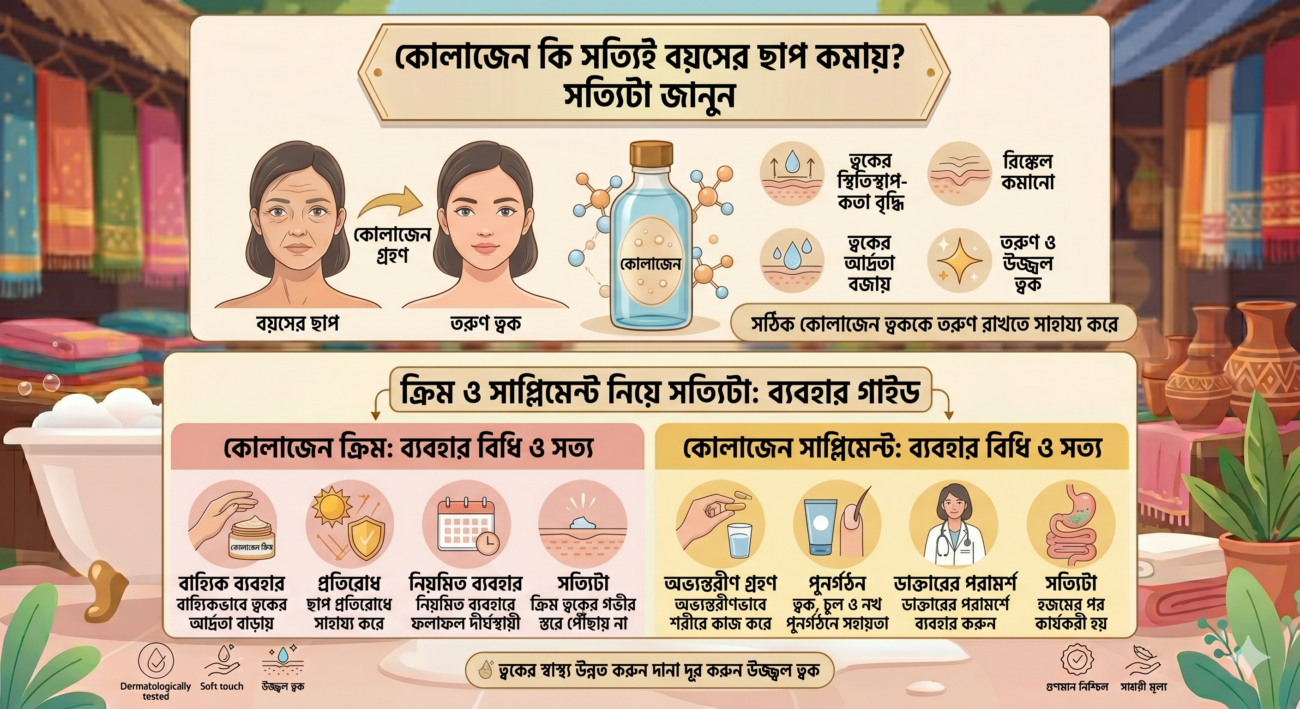
কোলাজেন — অ্যান্টি-এজিং মার্কেটে এই শব্দটা সবচেয়ে বেশি ব্যবহৃত হয়। কোলাজেন ক্রিম, কোলাজেন সাপ্লিমেন্ট, কোলাজেন...
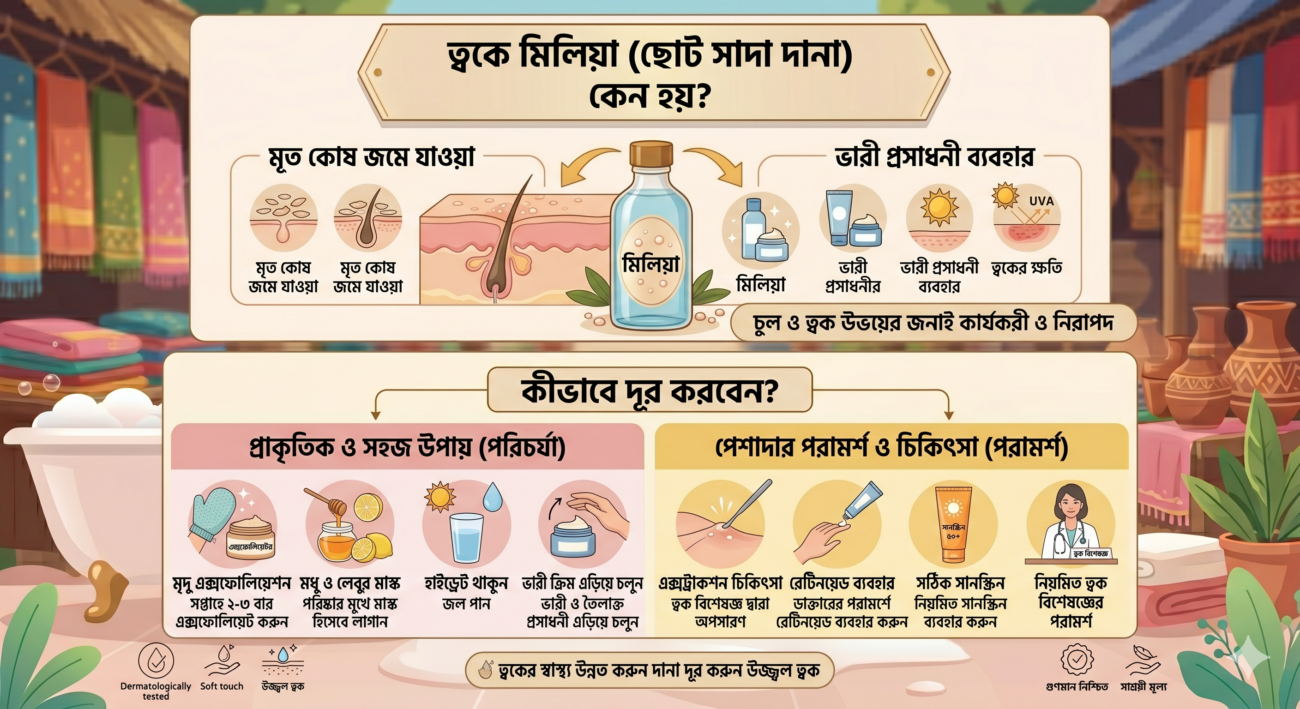
চোখের চারপাশে বা গালে ছোট ছোট শক্ত সাদা দানা দেখা দিচ্ছে? এগুলো হয়তো মিলিয়া। ব্রণের...



 Serums and Treatments
 Moisturizer
 Cleanser
 Face Mask
 Acne Treatment Products
 Sun Protection
 Skin Care Sets & Kits
 Eye Care Products
 Lip Care Products
 Toners & Exfoliators
 Active Ingredient Products
 Body Butter
 Men’s Face Wash
 Moisturizer for Men
 Men’s Hair Care Products
 Brightening Skincare Products
 Acne Skincare Products
 Pore Minimizing Products
 Anti-Aging Skincare Products
 Pigmentation Treatment Products
 Dehydration Skincare Products
 Blackheads & Whiteheads Treatment Products
 Bumpy Skin Treatment Products
 Blemish & Spot Treatment Products
 Dark Circles Treatment Products
 Sensitive Skin Care Products
