
Table of Contents
Moisturiser texture — gel, lotion, or cream — determines how much occlusive protection is provided, how comfortable the product feels in different climates, and whether it suits your skin type and layering needs. The wrong texture is one of the most common reasons skincare routines fail: heavy creams in humid climates cause breakouts and discomfort; gel moisturisers in dry climates leave the skin insufficiently protected. Bangladesh’s dramatic climate shifts — from 85–95% humidity in monsoon to 40–60% in winter — mean the optimal moisturiser texture changes with the season, and understanding the differences is essential for year-round skin health.
Shop moisturisers , rich moisturiser creams , and soothing gel moisturisers at skincare and makeup Bangladesh .
What Is the Difference Between Gel, Lotion, and Cream?
What is a gel or gel-cream moisturiser?
Gel moisturisers are water-based formulations with gel-forming polymers (carbomer, hyaluronic acid, aloe vera) that create a lightweight, non-greasy texture. They contain high proportions of humectants (attracting moisture to the skin) with minimal or no occlusives (oil-based ingredients that form a physical barrier). Gel creams are hybrid formulations — gel base with small amounts of emollients for a slightly richer after-feel while maintaining lightness. Absorption time: 30–60 seconds. Best for: oily skin year-round, combination skin in summer/monsoon, and any skin type in Bangladesh’s high-humidity months (June–September).
What is a lotion and when should you use it?
A lotion is an oil-in-water emulsion — predominantly water with a moderate amount of oil-phase ingredients. It is lighter than a cream but richer than a gel, providing both humectant hydration and a light emollient layer. Lotions absorb within 60–90 seconds and leave a slightly dewy but not greasy finish. They suit normal and combination skin year-round in Bangladesh and dry skin during summer and monsoon. Lotion is the most versatile moisturiser texture for Bangladesh because it performs adequately across skin types and seasons — it is the appropriate default for most people.
What is a cream or thick cream and who needs it?
A cream (water-in-oil or balanced emulsion with higher oil content) provides more emollient and occlusive action than a lotion. The higher lipid content forms a more substantive barrier layer, significantly reducing trans-epidermal water loss (TEWL) overnight. Thick creams take 2–3 minutes to absorb and leave a richer skin feel. They are appropriate for: dry and very dry skin year-round; all skin types in Bangladesh’s winter (November–February); compromised or eczema-prone skin requiring intensive barrier repair; and night-time moisturising when immediate absorption is less critical.
Which Moisturiser Texture Is Best for Bangladesh’s Climate?
March–May (Pre-monsoon summer): Gel or gel-cream for oily and combination skin. Lotion for dry and normal skin. Average humidity 60–75%; temperatures 32–40°C. June–September (Monsoon): Gel only for oily skin. Gel-cream or light lotion for combination/normal skin. Average humidity 80–95%; temperatures 28–35°C. October–November (Autumn transition): Lotion for most skin types. Begin transitioning dry skin to cream. Humidity falling from 75% to 60%. November–February (Winter): Lotion for oily skin. Cream for normal and dry skin. Rich cream for dry and very dry skin. Humidity 40–60%; temperatures 10–25°C.
How to Choose the Right Moisturiser for Your Skin Type?
Oily skin: Gel moisturiser year-round in Bangladesh (except winter — transition to gel-cream in November). Key ingredients: hyaluronic acid (humectant without occlusion), niacinamide (sebum regulation), centella asiatica (barrier support without heaviness). Combination skin: Gel-cream in summer/monsoon; lotion in winter. Apply heavier cream only to dry patches (U-zone, cheeks) in winter, not the T-zone. Dry skin: Lotion minimum year-round. Cream in winter. Ceramide-dominant formulations (ceramide NP, ceramide EOP, ceramide NS) provide structural barrier repair. Sensitive skin: Fragrance-free lotion or cream with ceramides and centella asiatica. Avoid gel-only moisturisers, which often contain preservatives and polymer gels that can irritate very reactive skin.
What Ingredients Should Be in Each Moisturiser Type?
Gel moisturiser (oily skin): Hyaluronic acid, niacinamide, glycerin, centella extract, aloe vera, beta-glucan. Lotion (normal/combination): Glycerin + ceramides + cholesterol + niacinamide + squalane. The optimal barrier-repairing combination. Cream (dry skin): Ceramide NP + EOP + NS + cholesterol + fatty acids + shea butter/glycerin. The Cerave Moisturising Cream formulation — ceramides, cholesterol, and fatty acids at a physiological ratio — is the most replicated effective dry-skin moisturiser formula.
Frequently Asked Questions About Moisturiser Textures
Can you use a thick cream in Bangladesh’s summer?
It is not recommended for oily and combination skin in summer/monsoon — it causes excess occlusion in high humidity, leading to clogged pores and discomfort. Dry skin types may find a thin layer comfortable but should still prefer a lotion in high-humidity months.
Can oily skin skip moisturiser?
No — oily skin still needs hydration. Skipping moisturiser triggers reactive sebum overproduction as the skin compensates for perceived moisture deficit. A lightweight gel moisturiser provides hydration without adding oil.
Does SPF moisturiser replace a separate moisturiser?
Yes — SPF moisturisers (moisturiser + sunscreen in one product) replace both steps for those who prefer fewer products. Ensure it has both adequate SPF 50 PA++++ coverage and sufficient moisturising ingredients for your skin type.
Should you use a different moisturiser at night?
Night moisturisers can be richer than daytime since there is no SPF required and you can afford more occlusion for barrier repair during sleep. Using a thicker cream at night and a lighter lotion or gel during the day is the standard approach for most skin types.
Is a gel moisturiser enough for winter in Bangladesh?
For oily skin, a gel-cream (slightly richer than pure gel) is the minimum in Bangladesh’s winter. Pure gel without any emollient content may be insufficient during the cooler, lower-humidity winter months for all but the oiliest skin types.

You May Also Like
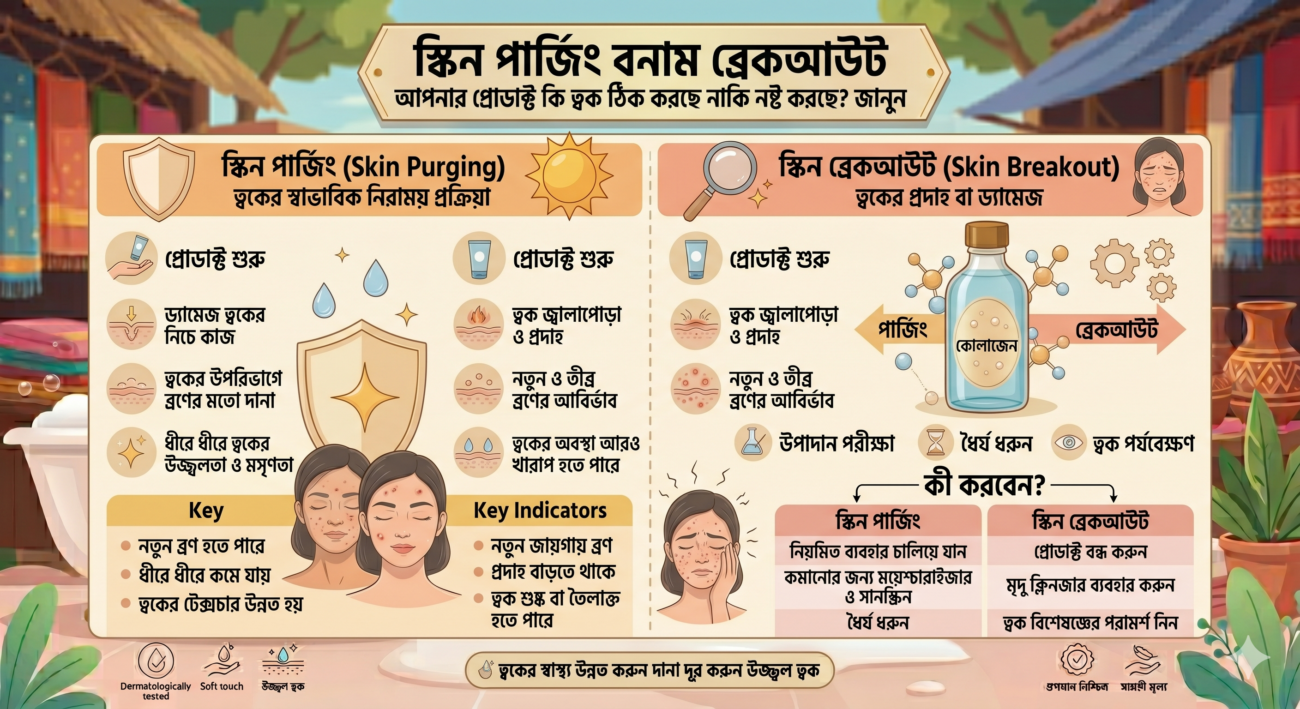
নতুন স্কিনকেয়ার প্রোডাক্ট শুরু করার পর ব্রণ বেড়ে গেছে? এখন ছেড়ে দেবেন নাকি চালিয়ে যাবেন?...
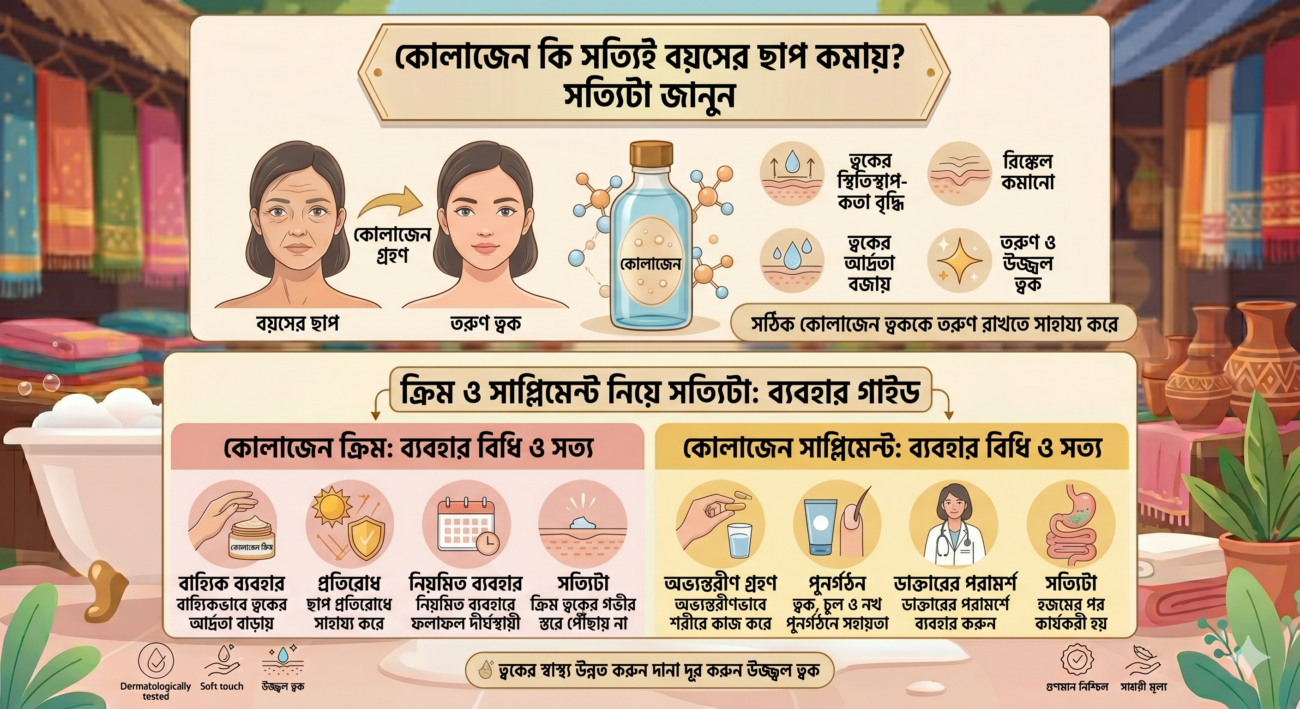
কোলাজেন — অ্যান্টি-এজিং মার্কেটে এই শব্দটা সবচেয়ে বেশি ব্যবহৃত হয়। কোলাজেন ক্রিম, কোলাজেন সাপ্লিমেন্ট, কোলাজেন...
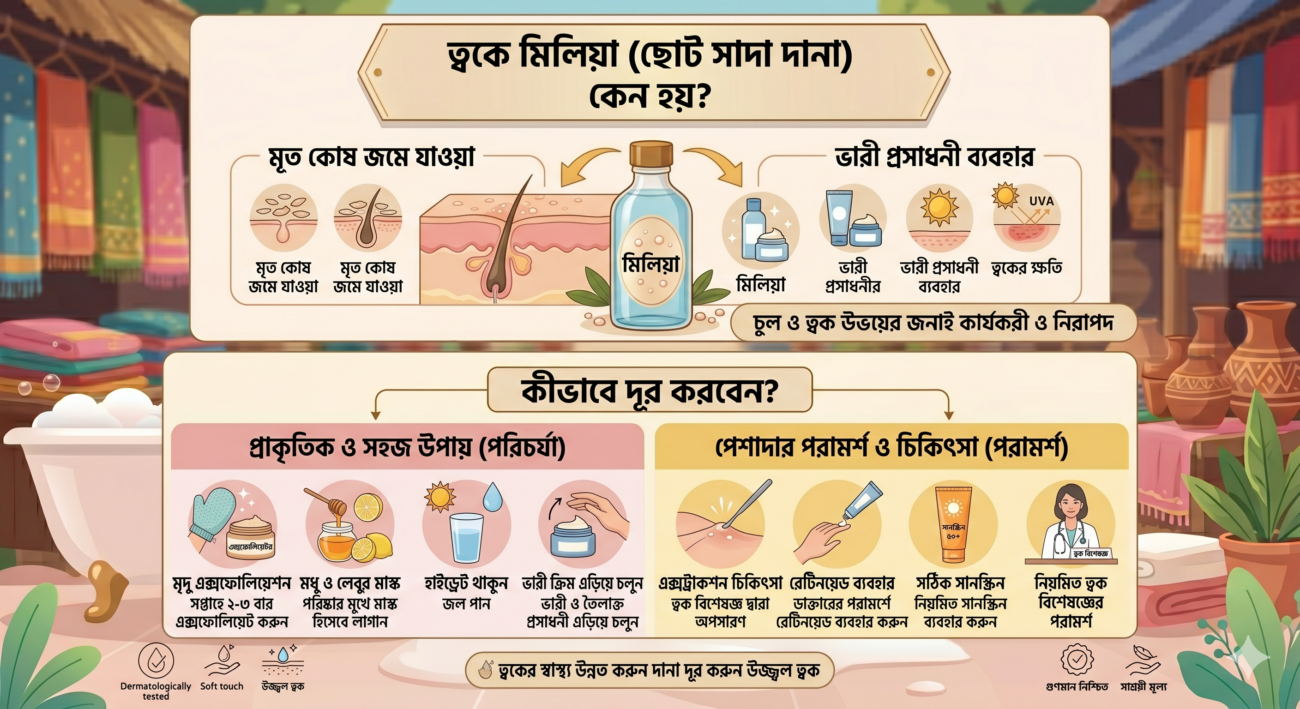
চোখের চারপাশে বা গালে ছোট ছোট শক্ত সাদা দানা দেখা দিচ্ছে? এগুলো হয়তো মিলিয়া। ব্রণের...



 Serums and Treatments
 Moisturizer
 Cleanser
 Face Mask
 Acne Treatment Products
 Sun Protection
 Skin Care Sets & Kits
 Eye Care Products
 Lip Care Products
 Toners & Exfoliators
 Active Ingredient Products
 Body Butter
 Men’s Face Wash
 Moisturizer for Men
 Men’s Hair Care Products
 Brightening Skincare Products
 Acne Skincare Products
 Pore Minimizing Products
 Anti-Aging Skincare Products
 Pigmentation Treatment Products
 Dehydration Skincare Products
 Blackheads & Whiteheads Treatment Products
 Bumpy Skin Treatment Products
 Blemish & Spot Treatment Products
 Dark Circles Treatment Products
 Sensitive Skin Care Products
