
Table of Contents
Lip oil and lip balm both hydrate lips but through different mechanisms: lip balm uses waxy occlusives (beeswax, shea butter, petrolatum) to create a thick physical barrier that locks moisture in, while lip oil uses lightweight plant oils (jojoba, squalane, rosehip) that absorb into the lip tissue and condition from within while providing a lighter, glossier occlusive layer. The choice depends on the severity of dryness, texture preference, and whether the product will be worn under or instead of lip color.
How Does Lip Balm Work?
Lip balm creates a semi-solid occlusive barrier on the lip surface using waxes (beeswax, candelilla wax) and butters (shea, cocoa, mango) that have melting points just above body temperature, forming a persistent film that blocks moisture evaporation for 2—4 hours per application.
The occlusive mechanism makes balm the strongest defense against extreme dryness, cold wind, and harsh environments. Heavy lip balm is best for nighttime use, winter months, and severely chapped lips.
How Does Lip Oil Work?
Lip oil delivers lightweight plant-derived lipids (jojoba oil mimics human sebum, squalane provides non-greasy hydration, rosehip oil adds vitamin A and C) that partially absorb into the lip tissue rather than sitting entirely on the surface.
The result is softer, more supple lips with a natural, non-waxy shine. Lip oil absorbs faster, feels lighter, and provides a more cosmetically elegant finish than traditional balm—making it the preferred choice for daytime wear and under lip color.
When Should Each Product Be Used?
- Choose lip balm when: Lips are severely chapped, cracked, or peeling; during winter cold/wind exposure; as an overnight treatment; when maximum moisture barrier is needed.
- Choose lip oil when: Lips need daily maintenance hydration; wearing under or instead of lip color; in humid weather when heavy balm feels excessive; for a glossy, lightweight finish.
- Use both when: Apply lip oil during the day for lightweight conditioning, and heavy lip balm or lip mask at night for intensive overnight repair.
Frequently Asked Questions
Q: Can lip oil replace lip gloss?
A: Lip oil provides a similar shine and glossy finish to lip gloss with the added benefit of conditioning ingredients that improve lip health over time. Traditional lip gloss contains film-forming polymers that create shine without hydration. Lip oil delivers both cosmetic shine and functional hydration—making it a superior replacement for daily gloss wear.
Q: Does lip oil last as long as lip balm?
A: Lip oil provides moisture for 1–2 hours before needing reapplication. Lip balm’s thicker occlusive layer persists for 2—4 hours. Lip oil requires more frequent reapplication but absorbs faster and feels lighter. For extended outdoor activities without reapplication access, lip balm provides longer-lasting protection.
Q: Are tinted lip oils effective for hydration?
A: Tinted lip oils provide genuine hydration plus color when the tint comes from natural pigments (iron oxides, fruit extracts) in a functional oil base. Check that the primary ingredients are hydrating oils (jojoba, squalane) rather than just mineral oil with dye. A quality tinted lip oil replaces both lip color and lip balm in a single product.

You May Also Like
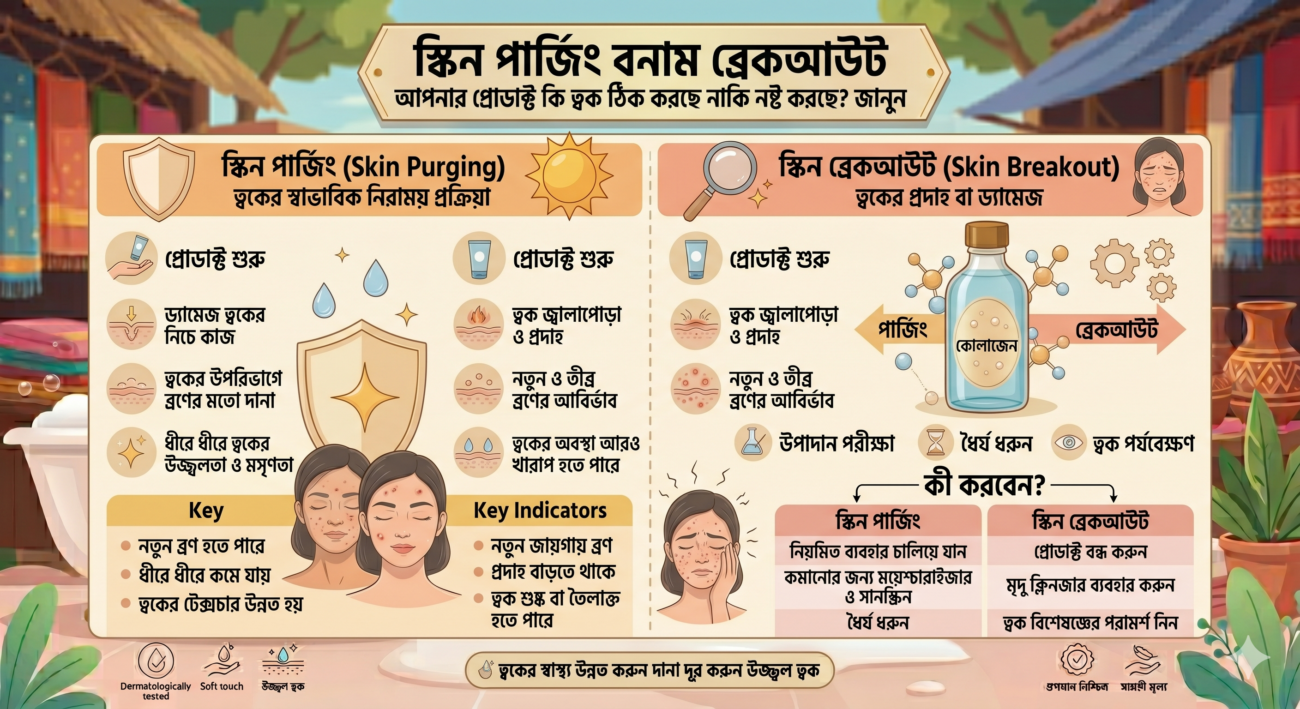
নতুন স্কিনকেয়ার প্রোডাক্ট শুরু করার পর ব্রণ বেড়ে গেছে? এখন ছেড়ে দেবেন নাকি চালিয়ে যাবেন?...
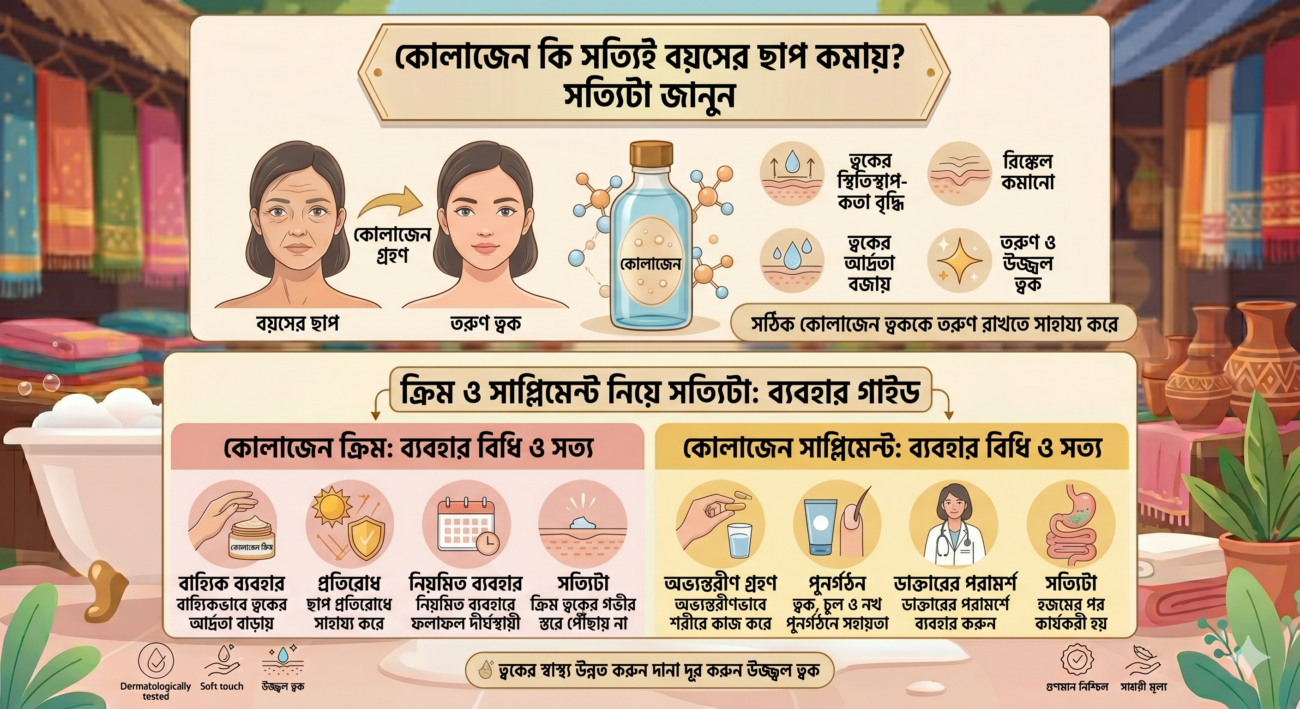
কোলাজেন — অ্যান্টি-এজিং মার্কেটে এই শব্দটা সবচেয়ে বেশি ব্যবহৃত হয়। কোলাজেন ক্রিম, কোলাজেন সাপ্লিমেন্ট, কোলাজেন...
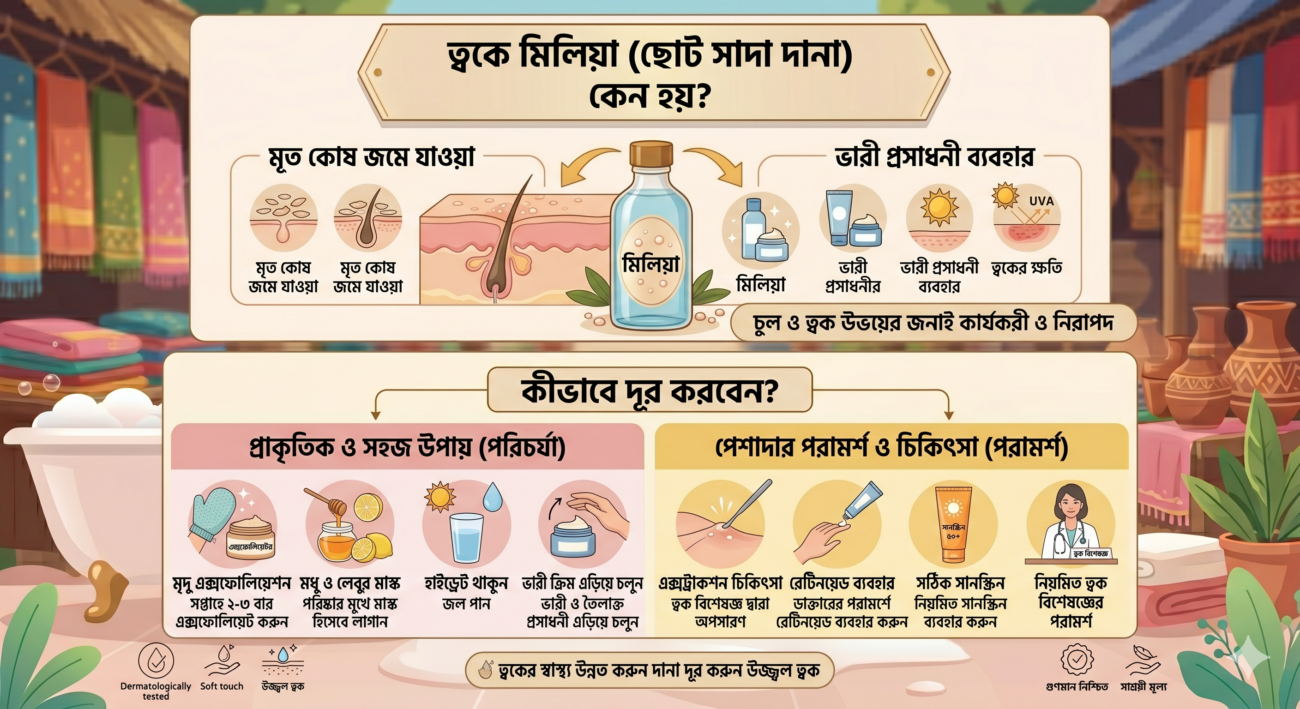
চোখের চারপাশে বা গালে ছোট ছোট শক্ত সাদা দানা দেখা দিচ্ছে? এগুলো হয়তো মিলিয়া। ব্রণের...



 Serums and Treatments
 Moisturizer
 Cleanser
 Face Mask
 Acne Treatment Products
 Sun Protection
 Skin Care Sets & Kits
 Eye Care Products
 Lip Care Products
 Toners & Exfoliators
 Active Ingredient Products
 Body Butter
 Men’s Face Wash
 Moisturizer for Men
 Men’s Hair Care Products
 Brightening Skincare Products
 Acne Skincare Products
 Pore Minimizing Products
 Anti-Aging Skincare Products
 Pigmentation Treatment Products
 Dehydration Skincare Products
 Blackheads & Whiteheads Treatment Products
 Bumpy Skin Treatment Products
 Blemish & Spot Treatment Products
 Dark Circles Treatment Products
 Sensitive Skin Care Products
