
Table of Contents
Body hyperpigmentation—darkened underarms, inner thighs, elbows, knees, knuckles, and neck—results from friction, hormonal influences, post-inflammatory pigmentation, and accumulated dead cells in areas where skin folds or rubs against clothing.
These areas experience 2–4x more friction than exposed skin, triggering protective melanin production as a defense mechanism. Body brightening addresses the excess pigmentation through exfoliation, depigmenting ingredients, and friction reduction.
What Causes Dark Underarms, Inner Thighs, and Joint Areas?
4 causes create body hyperpigmentation: (1) friction from tight clothing, skin-to-skin contact, and repetitive motion (shaving, rubbing), (2) acanthosis nigricans triggered by insulin resistance (common in PCOS and prediabetic conditions), (3) post-inflammatory hyperpigmentation from razor bumps, waxing irritation, and deodorant contact dermatitis, and (4) dead cell accumulation in skin folds that don’t receive adequate exfoliation. Addressing the underlying cause prevents recurrence after brightening treatment.
What Is the Safe Body Brightening Protocol?
The evidence-based body brightening protocol follows 3 steps: (1) exfoliate with AHA body scrub or lotion (10–15% glycolic or lactic acid) 2–3 times weekly to remove pigmented dead cells, (2) treat with niacinamide (5–10%), alpha arbutin (2%), or kojic acid (1–2%) body serum or lotion daily, and (3) protect with SPF on exposed areas and friction-reducing measures (loose clothing, anti-chafing products) on covered areas. Visible improvement begins at week 4–6 and significant results appear at week 8–12.
Body care products | Body lotions | Body creams | Exfoliating scrubs
Which Body Areas Respond Fastest to Brightening?
Elbows and knees respond fastest (4–6 weeks) because their pigmentation is primarily from dead cell buildup that regular exfoliation resolves quickly.
Underarms respond moderately (6–10 weeks) because friction and chemical irritation from deodorants create ongoing PIH. Inner thighs respond slowest (8–16 weeks) because continuous skin-to-skin friction restimulates melanin production during treatment.
Frequently Asked Questions
Q: Are body whitening creams safe?
A: Body creams containing evidence-based brightening ingredients (niacinamide, alpha arbutin, kojic acid, AHA) are safe for long-term use. Avoid products containing mercury, high-dose hydroquinone (above 2% without supervision), or undisclosed steroids—these cause skin thinning, ochronosis, and systemic health risks. Check ingredient lists regardless of marketing claims.
Q: Does lemon juice brighten dark underarms?
A: Lemon juice at uncontrolled pH causes chemical burns and phytophotodermatitis (worsened pigmentation when skin is exposed to UV after citric acid contact). Use formulated AHA products at controlled concentrations and pH instead. Clinical AHA lotions at 10–15% deliver consistent, safe results without the irritation and unpredictability of raw citrus.
Q: Can dark underarms be a medical concern?
A: Dark, velvety patches (acanthosis nigricans) on the underarms, neck folds, and groin can indicate insulin resistance, Type 2 diabetes, PCOS, or thyroid disorders. If darkening appears suddenly, spreads, or is accompanied by a velvety texture change, consult a dermatologist or endocrinologist for blood glucose and hormonal screening.

You May Also Like
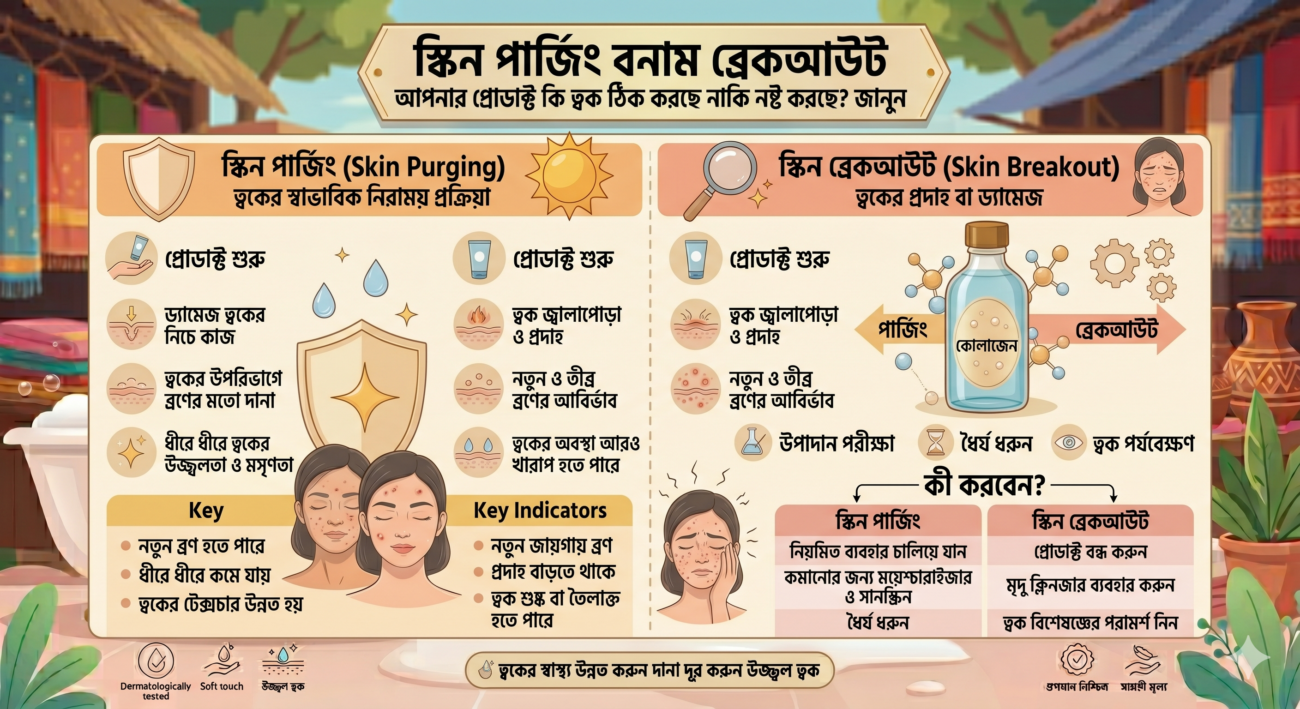
নতুন স্কিনকেয়ার প্রোডাক্ট শুরু করার পর ব্রণ বেড়ে গেছে? এখন ছেড়ে দেবেন নাকি চালিয়ে যাবেন?...
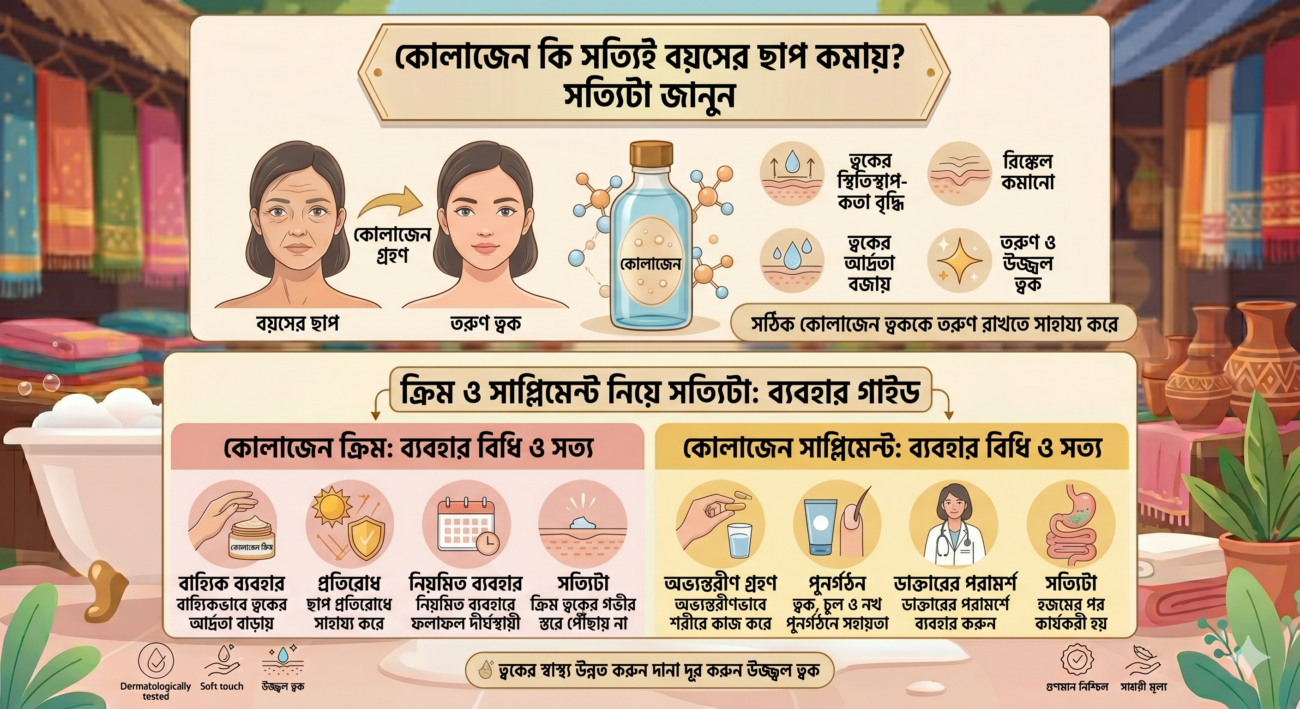
কোলাজেন — অ্যান্টি-এজিং মার্কেটে এই শব্দটা সবচেয়ে বেশি ব্যবহৃত হয়। কোলাজেন ক্রিম, কোলাজেন সাপ্লিমেন্ট, কোলাজেন...
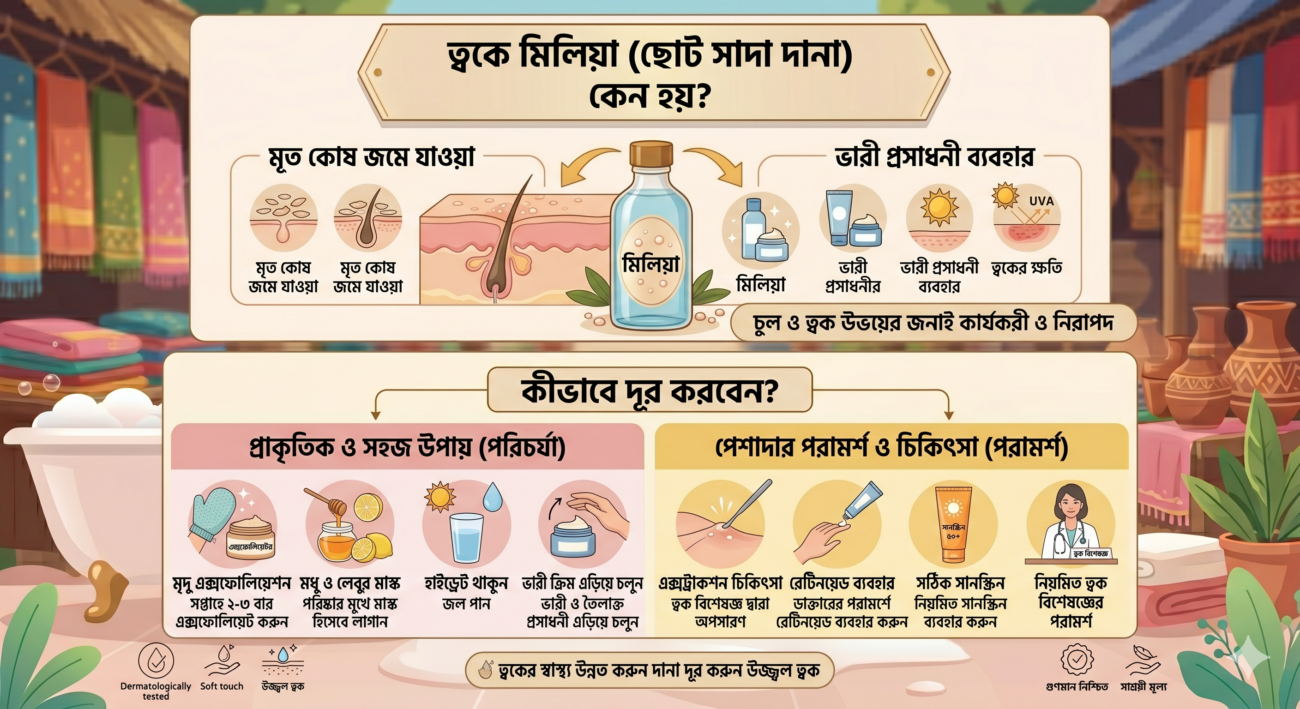
চোখের চারপাশে বা গালে ছোট ছোট শক্ত সাদা দানা দেখা দিচ্ছে? এগুলো হয়তো মিলিয়া। ব্রণের...



 Serums and Treatments
 Moisturizer
 Cleanser
 Face Mask
 Acne Treatment Products
 Sun Protection
 Skin Care Sets & Kits
 Eye Care Products
 Lip Care Products
 Toners & Exfoliators
 Active Ingredient Products
 Body Butter
 Men’s Face Wash
 Moisturizer for Men
 Men’s Hair Care Products
 Brightening Skincare Products
 Acne Skincare Products
 Pore Minimizing Products
 Anti-Aging Skincare Products
 Pigmentation Treatment Products
 Dehydration Skincare Products
 Blackheads & Whiteheads Treatment Products
 Bumpy Skin Treatment Products
 Blemish & Spot Treatment Products
 Dark Circles Treatment Products
 Sensitive Skin Care Products
