
Table of Contents
Hyperpigmentation is the overproduction of melanin in localized skin areas, causing dark spots, patches, or uneven skin tone that affects an estimated 65–80% of South Asian adults—making it the most prevalent skin concern in Bangladesh after acne.
Three clinical types exist: post-inflammatory hyperpigmentation (PIH) from acne or injury, melasma from hormonal changes, and solar lentigines from cumulative UV exposure. Each type requires a different treatment approach.
Effective depigmentation targets the melanin production pathway at multiple points: inhibiting tyrosinase (vitamin C, kojic acid, arbutin), blocking melanosome transfer (niacinamide), accelerating pigmented cell turnover (retinoids, AHAs), and preventing UV-triggered melanin restimulation (SPF 50+ PA++++). Single-ingredient approaches produce slower, less complete results than multi-target protocols.
What Are the 3 Types of Hyperpigmentation?
What Is Post-Inflammatory Hyperpigmentation (PIH)?
PIH is the dark spot left after skin inflammation (acne, eczema, injury, burns) triggers excess melanin deposit in the epidermis or dermis.
Epidermal PIH (brown/dark brown) responds well to topical treatments within 3–6 months. Dermal PIH (blue-gray) involves melanin trapped deeper and requires 6–12+ months of treatment. Fitzpatrick IV–V skin tones (common in Bangladesh) produce PIH more readily and more intensely than lighter skin tones.
What Is Melasma and What Causes It?
Melasma is a chronic pigmentation disorder triggered by hormonal changes (pregnancy, oral contraceptives, hormone therapy) combined with UV exposure, producing large, symmetrical brown or gray-brown patches on the cheeks, forehead, upper lip, and chin.
Melasma affects an estimated 15–35% of Bangladeshi women of reproductive age. It is harder to treat than PIH because hormonal drivers persist—treatment controls melasma but rarely cures it permanently.
Pigmentation treatments | Dark spot treatments
What Are Solar Lentigines (Sun Spots)?
Solar lentigines are flat, brown spots caused by cumulative UV damage to melanocytes over years of sun exposure.
They appear on the most UV-exposed areas: face, hands, forearms, and chest. Unlike PIH, solar lentigines do not fade on their own—they require active depigmenting treatment combined with strict SPF to prevent further formation.
What Is the Most Effective Multi-Target Depigmentation Protocol?
The most effective depigmentation protocol uses 4 ingredients targeting 4 different points in the melanin pathway: (1) tyrosinase inhibitor (vitamin C, kojic acid, or alpha arbutin) in the morning, (2) melanosome transfer blocker (niacinamide) morning and evening, (3) cell turnover accelerator (retinoid) at night, and (4) SPF 50+ PA++++ every morning.
This multi-target approach produces 50–70% faster brightening results than single-ingredient treatment.
Pigmentation serums | Brightening products
How Long Does Hyperpigmentation Take to Fade?
Epidermal hyperpigmentation fades within 3–6 months with consistent treatment. Dermal pigmentation requires 6–12+ months. Melasma is a chronic condition that improves with treatment but may recur with sun exposure or hormonal changes.
The skin’s cell turnover cycle takes 28 days—no depigmenting product delivers overnight results. Visible improvement begins at weeks 6–8 and progresses steadily through month 6.
Frequently Asked Questions
Q: Can dark spots be removed permanently?
A: PIH and solar lentigines can be fully resolved with consistent treatment and SPF protection. Melasma is a chronic condition that can be managed to near-complete clearance but frequently recurs with UV exposure or hormonal fluctuation. Lifelong SPF use is required to maintain depigmentation results for all hyperpigmentation types.
Q: Does lemon juice lighten dark spots?
A: Lemon juice contains citric acid at an uncontrolled pH that causes chemical burns, phototoxic reactions under UV exposure, and contact dermatitis—worsening pigmentation rather than improving it. Use formulated vitamin C serums at controlled 10–20% concentration and pH 2.5–3.5 for safe, effective brightening.
Q: Which is better for dark spots: vitamin C or niacinamide?
A: Both deliver complementary brightening through different mechanisms—vitamin C inhibits melanin production (tyrosinase inhibition) while niacinamide blocks melanin delivery to surface cells (melanosome transfer inhibition). Using both produces superior results: apply vitamin C in the morning and niacinamide morning and evening.

You May Also Like
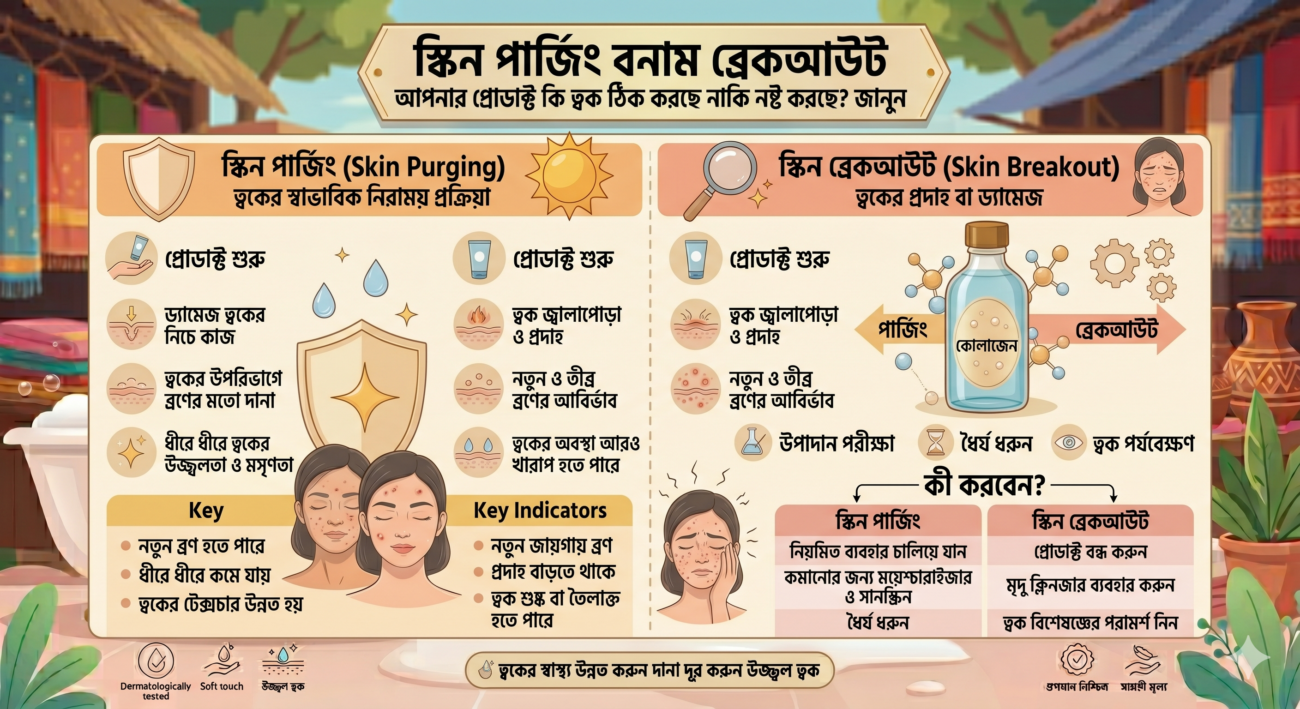
নতুন স্কিনকেয়ার প্রোডাক্ট শুরু করার পর ব্রণ বেড়ে গেছে? এখন ছেড়ে দেবেন নাকি চালিয়ে যাবেন?...
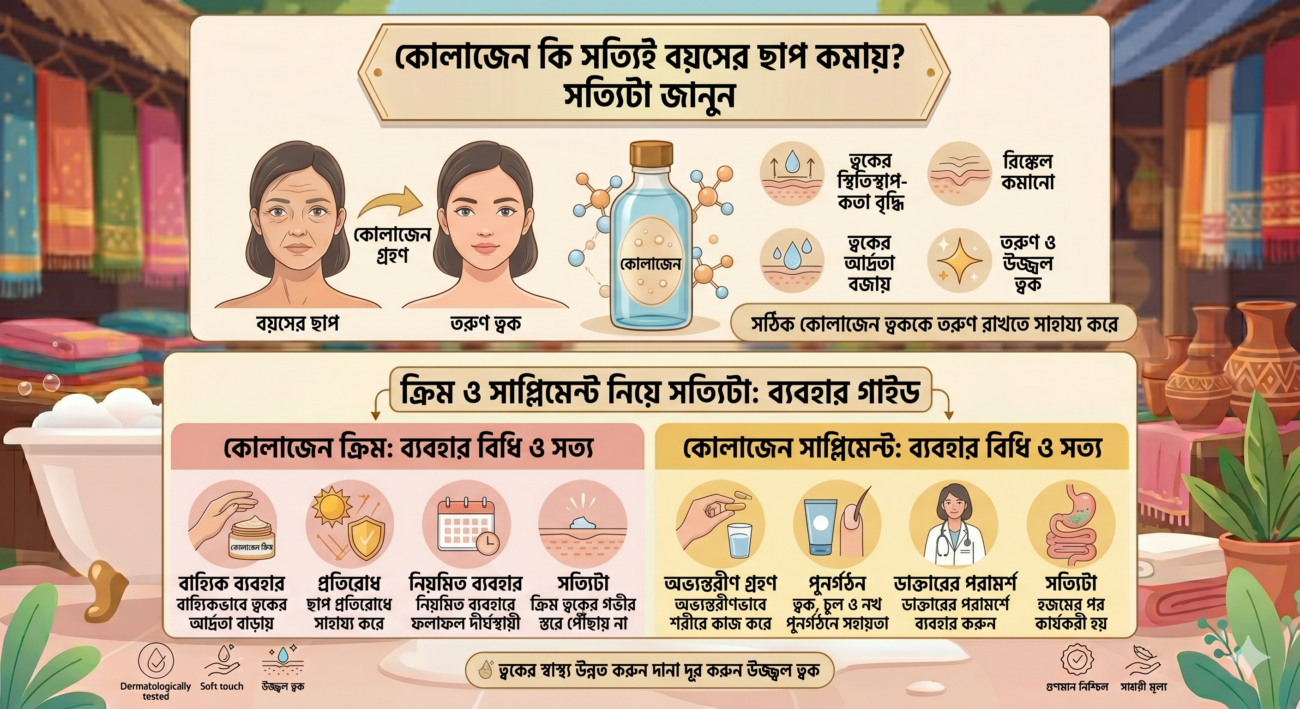
কোলাজেন — অ্যান্টি-এজিং মার্কেটে এই শব্দটা সবচেয়ে বেশি ব্যবহৃত হয়। কোলাজেন ক্রিম, কোলাজেন সাপ্লিমেন্ট, কোলাজেন...
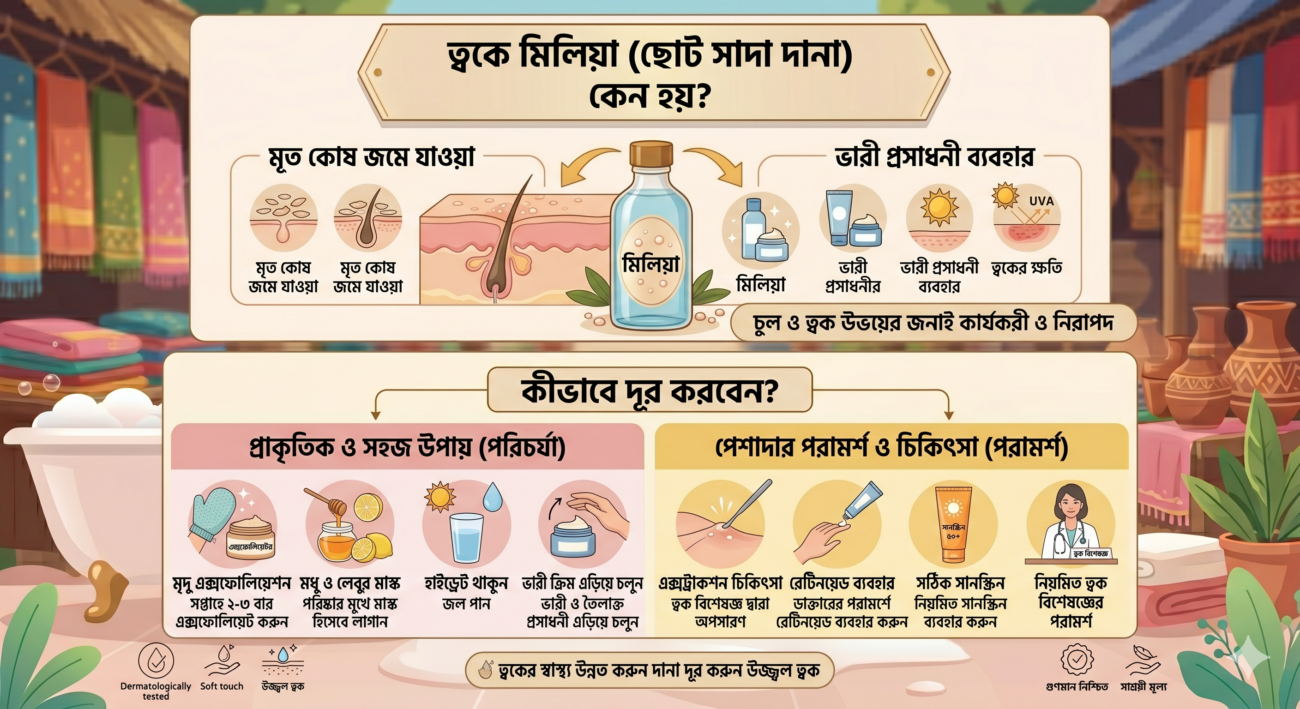
চোখের চারপাশে বা গালে ছোট ছোট শক্ত সাদা দানা দেখা দিচ্ছে? এগুলো হয়তো মিলিয়া। ব্রণের...



 Serums and Treatments
 Moisturizer
 Cleanser
 Face Mask
 Acne Treatment Products
 Sun Protection
 Skin Care Sets & Kits
 Eye Care Products
 Lip Care Products
 Toners & Exfoliators
 Active Ingredient Products
 Body Butter
 Men’s Face Wash
 Moisturizer for Men
 Men’s Hair Care Products
 Brightening Skincare Products
 Acne Skincare Products
 Pore Minimizing Products
 Anti-Aging Skincare Products
 Pigmentation Treatment Products
 Dehydration Skincare Products
 Blackheads & Whiteheads Treatment Products
 Bumpy Skin Treatment Products
 Blemish & Spot Treatment Products
 Dark Circles Treatment Products
 Sensitive Skin Care Products
